Last Friday night, I was exhausted. You know that kind of tired where your brain feels like static and your only desire is to collapse on the couch with a box of greasy, overpriced fried rice from the place three blocks away. I had just walked through the door, kicked off my shoes, and reached for my phone to open the delivery app when I noticed something on the counter: a half-empty bag of day-old jasmine rice, a bag of frozen peas and carrots I’d forgotten about, and a pound of shrimp that had been thawing in the fridge since Thursday.
Normally, I would have just ordered out. But I was also broke (after that weekend trip) and suddenly struck by a wave of stubbornness. I decided to make Shrimp Fried Rice with Soy Ginger Sauce better than takeout right then and there. I threw everything into the pan, ignored the fact that my kitchen looked like a war zone, and prayed for the best.
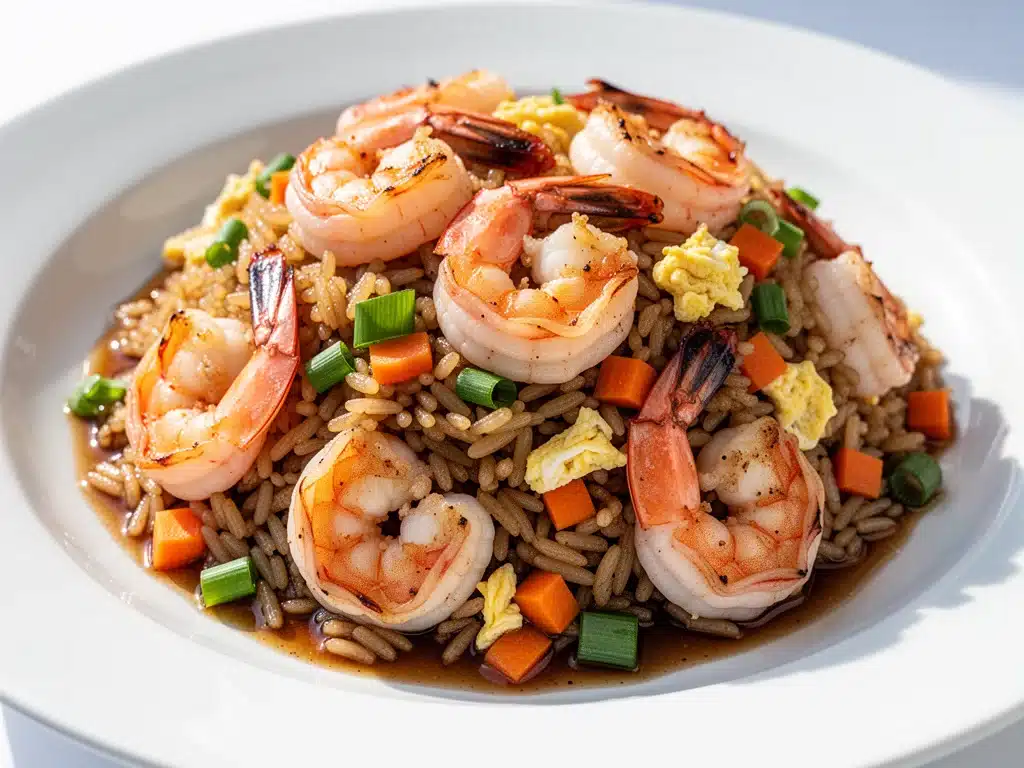
What came out of that wok was not just edible. It was incredible. The rice was perfectly separated, the shrimp were sweet and savory, and that ginger-soy sauce? It had this complex, aromatic punch that hit me in the nose before I even took a bite. I ate it standing over the stove, scraping the crispy bits from the bottom of the pan. By the time I finished, I realized I hadn’t just made dinner; I’d made a revelation.
I’ve made this shrimp fried rice recipe at least thirty times since that night. I’ve tweaked the ginger, adjusted the soy, and tested different woks. And I’m here to tell you: it’s actually better than the takeout place. The takeout version is salty, soggy, and heavy. This version is bright, textured, and packed with real flavor. If you’re tired of paying $18 for a box of mediocre rice, you need to stop reading and start cooking.
Why This Shrimp Fried Rice Is Your New Weeknight Savior
There are a million fried rice recipes out there. Some are too complicated, some require ingredients you can’t pronounce, and some just taste like salt. This Shrimp Fried Rice with Soy Ginger Sauce better than takeout is different because it solves the biggest problem with homemade fried rice: the soggy, mushy mess that never quite gets that “wok hei” (breath of the wok) flavor.
Here’s why this recipe has completely taken over my weeknight rotation:
It Uses Day-Old Rice (The Secret Weapon) — Freshly cooked rice is too wet and sticky. It turns into a porridge in the pan. I keep a mental note to cook extra rice on Sundays specifically for this. If you’re in a pinch, you can spread fresh rice on a baking sheet and freeze it for 20 minutes, but the day-old stuff is superior. Trust me.
It’s Ready in 15 Minutes — Seriously. If you have your ingredients prepped, this goes from zero to done faster than you can wait for a delivery driver. It’s perfect for those nights when you’re hungry, tired, and don’t want to think about it.
The Ginger-Soy Sauce is Addictive — Most takeout just uses plain soy sauce. This recipe uses a quick-mixed sauce with fresh ginger, a touch of sesame oil, and a hint of sugar to balance the salt. It’s sweet, savory, and aromatic. My kids ask for “the ginger rice” now, which is code for this specific dish.
Pantry Staples Only — You probably have 90% of this in your kitchen right now. Eggs, frozen peas, carrots, rice, soy sauce, ginger, garlic, and shrimp. It’s budget-friendly and low-stress.
It Freezes Like a Dream — Actually, I don’t recommend freezing it because fried rice is best fresh, but if you have leftovers (rare), it reheats well in the microwave with a splash of water. But honestly? It usually disappears too fast to last.
This isn’t just a recipe; it’s a rescue mission for your dinner plan. It’s the dish I make when I don’t have the energy to cook, but I refuse to eat takeout. It’s reliable, delicious, and surprisingly elegant for something so simple.
Ingredients You’ll Need for Perfect Fried Rice
Before we dive into the cooking, let’s talk about what goes into this Shrimp Fried Rice with Soy Ginger Sauce better than takeout. I’m particular about a few things here because they make the difference between “okay” and “amazing.”
Jasmine Rice (3 cups, cooked and chilled / about 600g) — Jasmine is the gold standard for fried rice because of its floral aroma and slightly sticky texture that holds together without being gummy. Basmati works too, but jasmine is traditional. Crucially, this rice MUST be cold. Ideally, it’s been in the fridge for 24 hours.
Shrimp (1 pound / 450g, peeled and deveined) — Look for wild-caught if you can afford it, but frozen peeled shrimp works perfectly fine and is often fresher since it’s frozen at peak ripeness. Pat them dry! Wet shrimp steam instead of sear.
Large Eggs (2 large) — Room temperature eggs scramble faster and more evenly. I beat them with a pinch of salt and a drop of sesame oil before adding to the pan.
Frozen Peas and Carrots (1 cup / 150g) — I use the bagged mix for convenience. No need to thaw them; they’ll cook in seconds. If you prefer fresh, use diced carrots and fresh peas, but frozen is easier and just as good.
Green Onions (4-5 stalks, chopped) — Separate the white parts (cook them first for flavor) from the green parts (save for garnish). They add a fresh, oniony bite that cuts through the richness.
Fresh Ginger (1 tablespoon, minced) — Do not use powdered ginger for this. You need the fresh root. It provides that bright, spicy kick that defines this dish. If you have a microplane, grate it for a smoother texture.
Garlic (3 cloves, minced) — Fresh garlic is non-negotiable. Jarred garlic has a metallic aftertaste that ruins the delicate balance of the sauce.
Soy Sauce (3 tablespoons, low-sodium) — I use low-sodium so I can control the saltiness. Regular soy sauce can make the dish too salty, especially since you’ll add salt later. Kikkoman is my go-to brand.
Toast Sesame Oil (1 teaspoon) — This is the flavor bomb. It’s potent, so a little goes a long way. Add it at the very end to preserve its aroma. If you buy a bottle, keep it in the fridge to prevent it from going rancid.
Vegetable Oil (2 tablespoons) — For cooking. I use a neutral oil with a high smoke point. Canola or avocado oil works well. You need enough oil to prevent sticking and help the rice get crispy.
Salt and White Pepper — White pepper is traditional in Chinese cooking and adds a subtle, earthy heat that black pepper doesn’t have. If you only have black pepper, use it, but white pepper is better.
Optional Add-ins: I sometimes add diced ham, cooked chicken, or even edamame. But the classic version with just shrimp is my favorite. Keep it simple.
Equipment You’ll Need
You don’t need a professional wok to make great fried rice, but having the right tools helps. Here’s what I actually use in my home kitchen:
Wok or Large Skillet — A 12-inch wok is ideal because its curved shape allows for easy tossing and even heating. If you don’t have a wok, a large non-stick skillet or a carbon steel pan works perfectly. The key is surface area. You need room to move the rice around. If your pan is too small, the rice will steam instead of fry.
Spatula — A flat, flexible spatula is essential for scraping the bottom of the pan and breaking up the eggs. I use a silicone spatula because it doesn’t scratch my pans. A wooden spoon works too, but it’s harder to get under the rice.
Small Bowl — For mixing your sauce. Having the sauce pre-mixed means you don’t have to measure while the pan is hot.
Sharp Knife and Cutting Board — For mincing garlic, ginger, and chopping green onions. A dull knife will crush the garlic and make a mess.
Paper Towels — To pat the shrimp dry. This is crucial for getting a good sear.
Measuring Spoons — For the sauce. Precision matters here, especially with the soy sauce and sesame oil.
Large Plate or Bowl — To hold your cooked rice before adding it to the pan. Keep it cold!
How to Make It: Step-by-Step
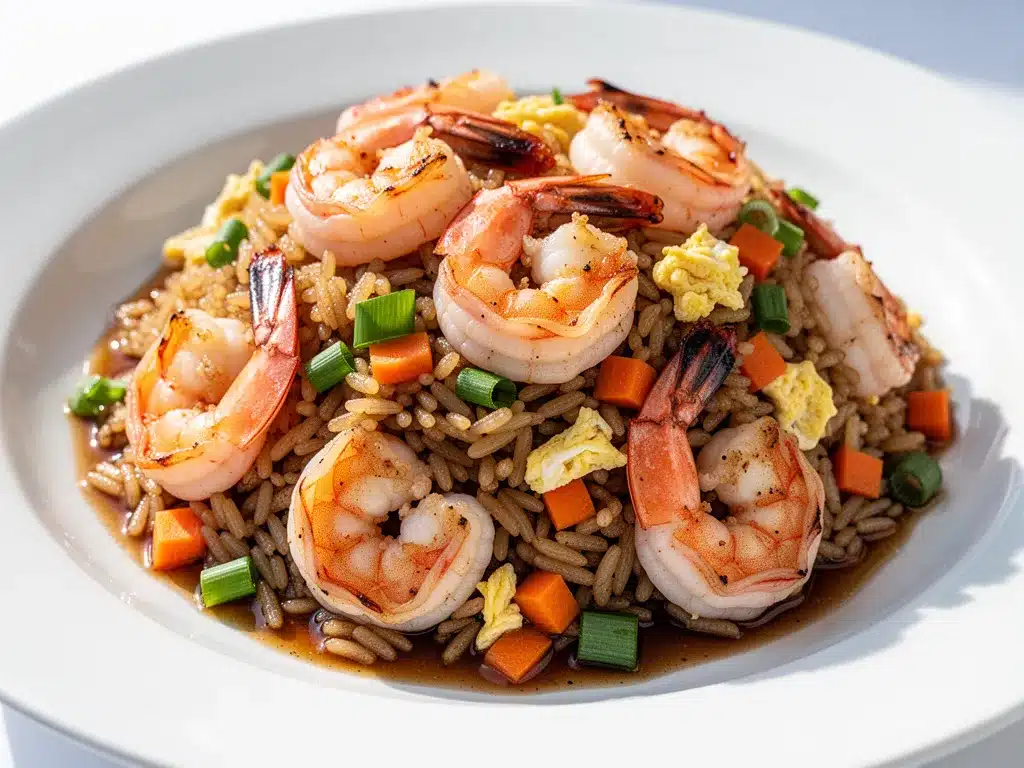
Alright, let’s get cooking. I’m walking you through exactly how I make this Shrimp Fried Rice with Soy Ginger Sauce better than takeout. It’s easier than it looks, but there are a few tricks to keep it from getting soggy.
Step 1: Prep Everything (5 minutes)
Before you turn on the stove, get your act together. Fried rice cooks fast. If you’re scrambling to chop garlic while the pan is smoking, you’ll burn it. Mince your garlic and ginger. Chop your green onions. Beat your eggs. Mix your sauce (soy sauce, sesame oil, salt, white pepper) in a small bowl. Pat your shrimp dry with paper towels and season with a pinch of salt. Set your cold rice on the counter. This is called “mise en place,” and it’s the secret to stress-free cooking.
Step 2: Scramble the Eggs (2 minutes)
Heat your wok or skillet over medium-high heat. Add 1 tablespoon of vegetable oil. Once the oil is shimmering (not smoking), pour in the beaten eggs. Let them sit for 10 seconds, then gently push them around the pan. Cook until they are just set but still soft and fluffy—don’t overcook them! Remove the eggs to a plate and set aside. You want them tender, not rubbery.
Step 3: Sear the Shrimp (3 minutes)
Add the remaining 1 tablespoon of oil to the pan. Increase the heat to high. Add the shrimp in a single layer if possible. Cook for 1-2 minutes per side until they turn pink and opaque. Do not overcrowd the pan; cook in batches if you have a lot of shrimp. Overcrowding steams the shrimp. Once cooked, remove them to the same plate as the eggs. They’ll finish cooking in the pan later.
Step 4: Fry the Aromatics (1 minute)
Reduce the heat to medium. Add the white parts of the green onions, minced garlic, and minced ginger to the pan. Stir-fry for about 30-60 seconds until fragrant. Be careful not to burn the garlic. If it starts to brown too quickly, lower the heat. You want the flavors to infuse the oil.
Step 5: Add the Rice (3-4 minutes)
Add the cold rice to the pan. Use your spatula to break up any clumps. Press the rice down against the hot surface of the pan and let it sit for 30 seconds to get a little crispy, then toss. Keep doing this—press, toss, press, toss. This is the key to getting that fried texture. After about 3 minutes, the rice should be hot and separated.
Step 6: Combine and Sauce (2 minutes)
Push the rice to the side of the pan and add the peas and carrots. Cook for 1 minute. Then, pour the pre-mixed soy-ginger sauce over the rice and vegetables. Toss everything together until the sauce is evenly distributed. The rice should take on a beautiful golden-brown color. Add the cooked shrimp and scrambled eggs back into the pan. Toss gently to combine.
Step 7: Finish and Serve (1 minute)
Remove the pan from the heat. Sprinkle the green tops of the green onions over the top. Taste and adjust seasoning if needed. If it needs more salt, add a dash. If it needs more punch, add a few drops of sesame oil. Serve immediately while it’s hot and crispy.
Expert Tips for Perfect Fried Rice
Here’s everything I’ve learned from making this dozens of times. These tips will save you from the common pitfalls that make fried rice soggy or bland.
The Rice Must Be Cold — This is the #1 rule. Freshly cooked rice is full of moisture. When you add it to a hot pan, that moisture turns to steam, making the rice mushy. Cold rice has less surface moisture and fries better. If you don’t have leftover rice, spread freshly cooked rice on a baking sheet and put it in the freezer for 20 minutes to dry it out.
High Heat is Your Friend — Fried rice is supposed to be fried. You want that high heat to create little crispy bits on the rice grains. Don’t be afraid of the smoke. Just make sure your kitchen is ventilated.
Don’t Overcrowd the Pan — If you try to cook too much at once, the temperature of the pan drops, and the food steams instead of fries. If you’re making a large batch, cook in two batches. It takes longer, but the result is worth it.
Pat the Shrimp Dry — Wet shrimp = steamed shrimp. Use paper towels to remove as much moisture as possible before cooking. This ensures you get a nice sear and not a rubbery texture.
Fresh Ginger Only — Powdered ginger lacks the bright, zesty flavor of fresh ginger. It’s a small effort to peel and mince it, but the difference in taste is huge. I keep a knob of ginger in my fridge at all times for this recipe.
Use White Pepper — If you’ve never used white pepper, give it a try. It’s a staple in Chinese cuisine and adds a distinct, earthy heat that complements the ginger and soy perfectly. It’s subtle but essential for authentic flavor.
Don’t Stir Too Much — When you add the rice, let it sit for a bit before stirring. This allows the grains to toast and crisp up. Constant stirring keeps the rice from getting that desirable texture.
Variations and Substitutions
Once you’ve mastered the basic version, here’s how you can mix it up. I’ve tried all of these, and they all work.
Vegetarian Fried Rice — Skip the shrimp and add diced firm tofu or mushrooms. Sauté the mushrooms until they’re browned before adding the rice. They add a nice meaty texture.
Chicken Fried Rice — Use diced cooked chicken breast or thigh meat. Sear it first like the shrimp, then remove and add back at the end. Leftover rotisserie chicken works perfectly.
Pineapple Fried Rice — Add ½ cup of diced fresh pineapple at the end. It adds a sweet, tropical twist that pairs well with the ginger. This is a classic Hawaiian-style variation.
Kimchi Fried Rice — Swap the soy sauce for gochujang (Korean chili paste) and add chopped kimchi. It’s spicy, tangy, and delicious. A great way to use up leftover rice.
Gluten-Free Version — Use tamari instead of soy sauce. Everything else is naturally gluten-free. Just check your sesame oil label to ensure it’s processed in a gluten-free facility.
Dairy-Free — This recipe is naturally dairy-free. No substitutions needed.
Serving and Storage
How to Serve: I usually serve this straight from the wok. It’s rustic and hot. Top with extra green onions, a drizzle of sesame oil, or a fried egg on top for extra richness. It pairs well with a simple cucumber salad or miso soup.
Leftovers: Store leftover fried rice in an airtight container in the fridge for up to 3 days. The rice will harden in the fridge, which is normal. To reheat, add a splash of water or broth to the pan and warm it over medium heat, stirring frequently. The microwave works too, but sprinkle a few drops of water on top to keep it moist.
Freezing: You can freeze fried rice for up to 3 months. Let it cool completely, then portion it into freezer-safe bags. Thaw in the fridge overnight and reheat in a pan. The texture won’t be quite as crisp, but it’s still tasty.
Nutrition Information
I’m not a nutritionist, but here’s the breakdown if you’re tracking. This is comfort food, so it’s not a diet recipe, but it’s balanced enough for a regular meal.
Per Serving (based on 4 servings):
– Calories: 450
– Protein: 25g
– Carbs: 55g
– Fiber: 2g
– Sugar: 4g
– Fat: 12g
– Sodium: 600mg
The shrimp adds lean protein, and the vegetables provide some fiber. The sodium comes from the soy sauce, so using low-sodium soy sauce helps. If you want to lighten it up, use less oil and more vegetables.
Final Thoughts
So that’s my go-to Shrimp Fried Rice with Soy Ginger Sauce better than takeout. I’ve probably talked your ear off at this point, but when you make a recipe this often, you have a lot to say about it.
This dish has saved me from countless takeout orders. It’s quick, affordable, and tastes incredible. My family loves it, my friends ask for the recipe, and I’m never stressed about dinner when I know I have rice and shrimp in the fridge.
Make it yours! Try different add-ins, swap in your favorite vegetables, or adjust the spice level. The best recipes are the ones you adapt to your taste. If you make this, drop a comment and let me know what you think! I love hearing how recipes turn out in your kitchen.
Happy cooking! And I hope your kitchen smells half as good as mine does right now.
Frequently Asked Questions
Can I use fresh rice instead of day-old rice?
You can, but the texture won’t be as good. Fresh rice is too moist and will clump together. If you must use fresh rice, spread it on a baking sheet and freeze it for 20-30 minutes to dry it out. Or, cook it the day before and refrigerate it.
Why is my fried rice soggy?
This usually happens if the rice was too warm when you started cooking, or if you overcrowded the pan. Make sure your rice is cold and dry. Also, don’t stir too much—let the rice crisp up before tossing. High heat is also essential.
Can I use frozen shrimp?
Yes! Frozen shrimp are often fresher than “fresh” shrimp from the counter. Just make sure to thaw them completely and pat them very dry with paper towels. Moisture is the enemy of searing.
What kind of wok should I buy?
If you’re serious about fried rice, a carbon steel wok is the best investment. It heats evenly and retains heat well. Stainless steel is also good. Avoid non-stick woks if you want high-heat searing, as they can’t handle the temperature as well. But a large skillet works fine too.
Can I make this ahead of time?
It’s best made fresh. However, you can prep the ingredients (chop veggies, mix sauce, cook rice) ahead of time and store them in the fridge. Then, just toss everything together when you’re ready to cook. It cuts the active cooking time down to almost nothing.
Is this recipe spicy?
Not by default. It’s savory and aromatic from the ginger and garlic. If you like heat, add some red pepper flakes, sriracha, or chopped fresh chilies to the sauce. White pepper adds a subtle kick, but it’s not fiery.
Can I use brown rice?
You can, but brown rice is chewier and has a stronger flavor. Jasmine rice is traditional for a reason. If you prefer brown rice for health reasons, just make sure it’s cold and dry. The texture will be different, but it’s still delicious.
Pin This Recipe!
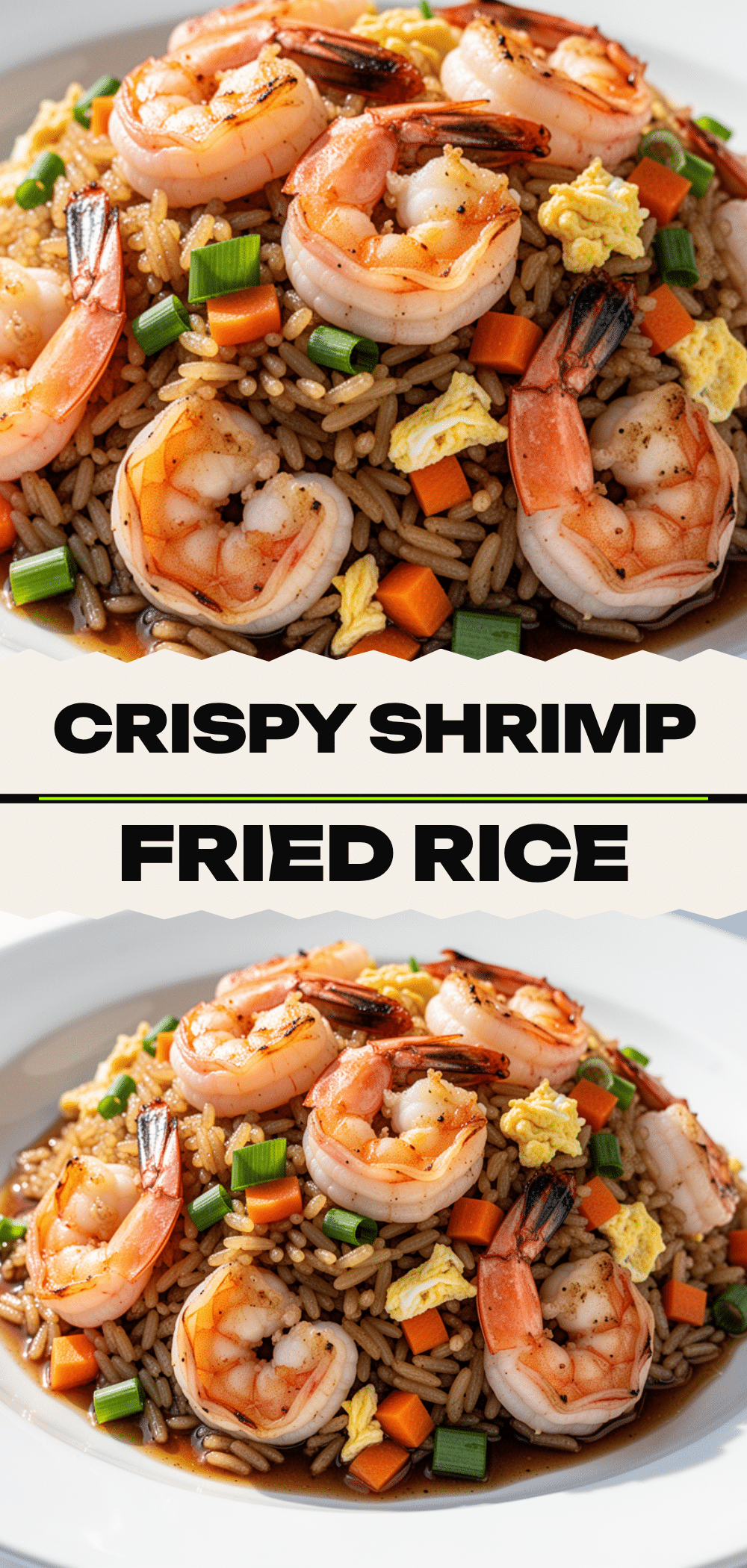
Shrimp Fried Rice: Better Than Takeout
- Total Time: 15 minutes
- Yield: 4 servings 1x
Description
A quick, weeknight-friendly shrimp fried rice recipe that uses day-old jasmine rice and a savory ginger-soy sauce to achieve a crispy, takeout-quality texture without the grease.
Ingredients
- 3 cups cooked jasmine rice, chilled (about 600g)
- 1 pound shrimp, peeled and deveined
- 2 large eggs
- 1 cup frozen peas and carrots
- 4–5 stalks green onions, chopped (white and green parts separated)
- 1 tablespoon fresh ginger, minced
- 3 cloves garlic, minced
- 3 tablespoons low-sodium soy sauce
- 1 teaspoon toasted sesame oil
- 2 tablespoons vegetable oil
- Salt and white pepper to taste
Instructions
- Prep all ingredients: mince garlic and ginger, chop green onions, beat eggs, mix sauce (soy sauce, sesame oil, salt, white pepper), and pat shrimp dry.
- Heat a wok or large skillet over medium-high heat with 1 tablespoon vegetable oil. Pour in beaten eggs and scramble until just set but soft. Remove eggs to a plate.
- Add remaining 1 tablespoon oil to the pan and increase heat to high. Sear shrimp in a single layer for 1-2 minutes per side until pink. Remove shrimp to the plate with eggs.
- Reduce heat to medium. Add white parts of green onions, garlic, and ginger to the pan. Stir-fry for 30-60 seconds until fragrant.
- Add cold rice to the pan. Break up clumps and press rice against the hot surface for 30 seconds to crisp, then toss. Repeat until rice is hot and separated (3-4 minutes).
- Push rice to the side, add peas and carrots, and cook for 1 minute. Pour sauce over rice and vegetables, tossing to coat evenly.
- Return shrimp and eggs to the pan. Toss gently to combine.
- Remove from heat, sprinkle with green onion tops, and serve immediately.
Notes
Use day-old, cold rice for best texture. Fresh rice is too moist and will result in a soggy dish. If using fresh rice, spread it on a baking sheet and freeze for 20 minutes. Pat shrimp dry to ensure proper searing. Use white pepper for authentic flavor.
- Prep Time: 5 minutes
- Cook Time: 10 minutes
- Category: Main Course
- Cuisine: Chinese
Nutrition
- Serving Size: 1 plate
- Calories: 450
- Sugar: 4
- Sodium: 600
- Fat: 12
- Carbohydrates: 55
- Fiber: 2
- Protein: 25
Keywords: shrimp fried rice, ginger soy sauce, better than takeout, weeknight dinner, quick meals, wok hei, jasmine rice