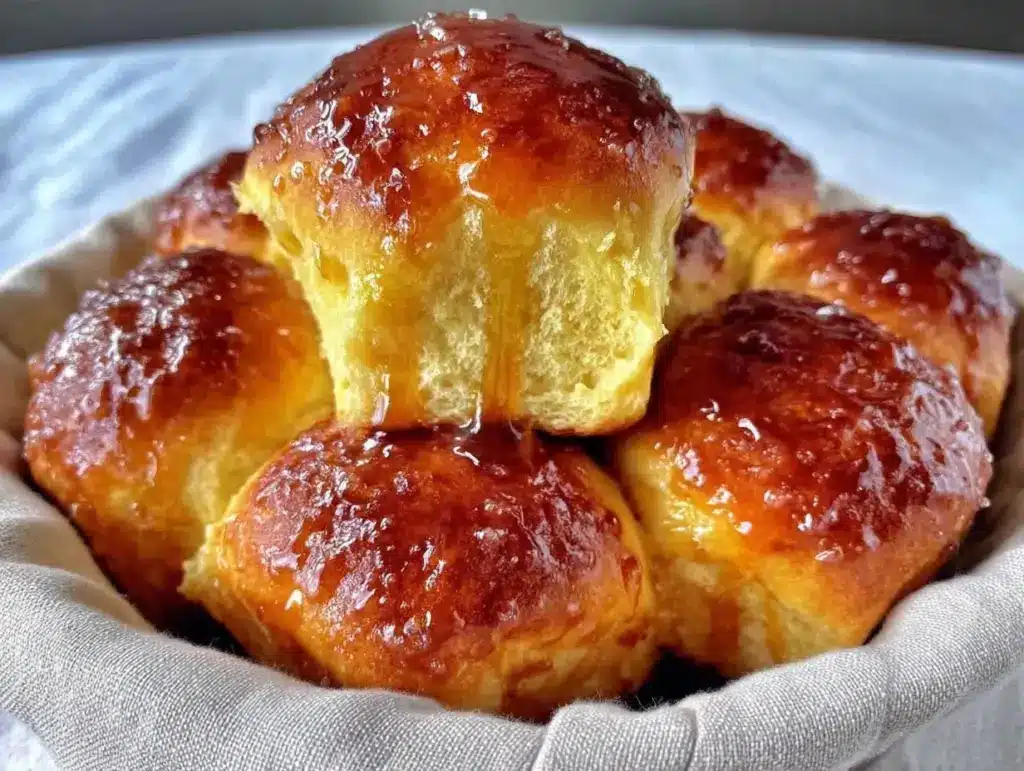
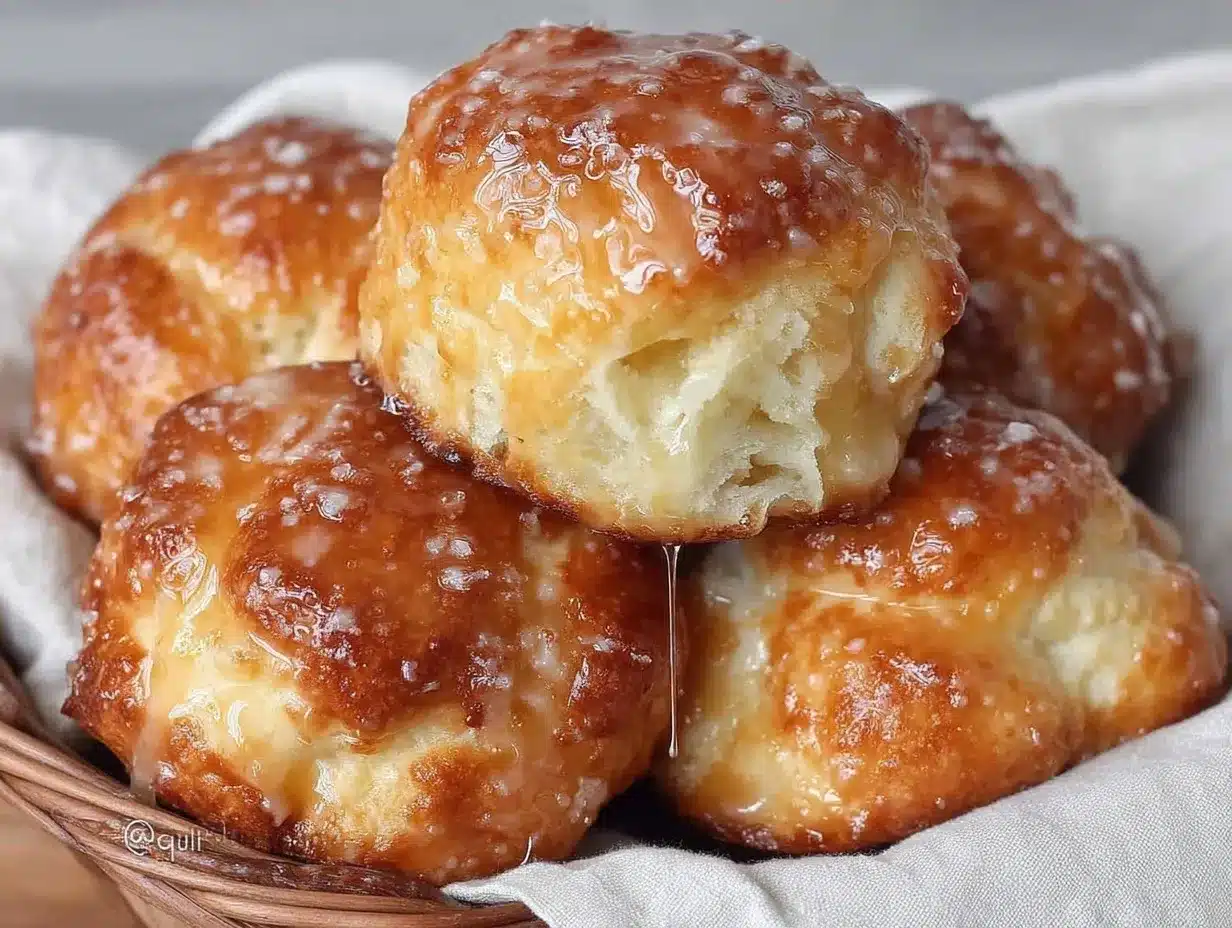
It was three years ago, right before my daughter’s first birthday party. I had spent weeks trying to find a bakery that could make gluten-free and dairy-free birthday cake that didn’t taste like cardboard. I failed. Hard. So, I decided to bake the rolls myself. I wanted them to be the star of the table—soft, pillowy, and golden brown. I pulled them out of the oven, took a bite, and nearly cried. Not because they were perfect, but because they were *good*. Actually good. No chalky aftertaste. No dense, gummy center. Just fluffy, warm bread that melted on the tongue.
That moment changed how I cook. It proved to me that dietary restrictions don’t mean giving up comfort food. They just mean you have to get creative. Since then, I’ve tested this **Fluffy Homemade Dinner Rolls Ready in 45 Min** recipe dozens of times. I’ve tweaked the flours, played with the yeast types, and even argued with my husband about whether we needed *one more* roll (we did). Now, this is my go-to when I need to impress guests or just want something warm to dip into a soup.
Most gluten-free bread recipes take hours, involve expensive specialty flours, or require a stand mixer with a dough hook that costs more than my first car. This **gluten-free dinner rolls recipe** is different. It’s forgiving. It’s fast. And it uses ingredients you probably already have in your pantry. Whether you’re hosting a holiday feast, making a quick weeknight side for **easy fall sheet pan chicken**, or just craving carbs, these rolls deliver. I’m sharing exactly how I make them, the specific flours that work, and the one mistake everyone makes (don’t worry, I’ll tell you how to avoid it).
Why You’ll Love This Gluten-Free Dinner Rolls Recipe
Here’s the thing about gluten-free baking: it has a bad reputation for being dry, crumbly, or tasting like “diet food.” This **fluffy homemade dinner rolls ready in 45 min** recipe flips that script. It’s not just “edible for people with allergies.” It’s genuinely delicious, even for people who eat regular flour. Here’s why it belongs in your rotation:
- Actually Fluffy Texture — I’ve tried at least six different gluten-free flour blends, and most resulted in bricks. This recipe uses a specific ratio of xanthan gum and starch that creates air pockets. The result is a roll that springs back when you touch it, just like wheat bread.
- 45 Minutes Total Time — From mixing to baking, it takes less time than ordering takeout. The dough rises quickly because we skip the long cold ferment. Perfect for when you realize you forgot dessert or sides while prepping the main course.
- Dairy-Free & Gluten-Free Friendly — No butter, no milk, no wheat. We use coconut oil and almond milk (or oat milk). It’s safe for most common allergens, making it inclusive for family gatherings without the stress of cross-contamination or dairy crashes.
- Pantry Staples — You don’t need to order obscure ingredients from overseas. All-purpose gluten-free flour blend, yeast, sugar, salt, and eggs are the core. If you have those, you can make these rolls tonight.
- Freezes Beautifully — Unlike many gluten-free baked goods that turn to dust when frozen, these rolls freeze exceptionally well. I often make a double batch and freeze half for quick lunches later in the week.
- Kid-Approved — My daughter still asks for “the soft bread” at dinner. Even my gluten-eating friends beg for the recipe. It’s proof that the substitution tastes just as good, if not better, than the original.
This is my go-to when dinner needs to just work. It pairs perfectly with everything from **cozy wild rice mushroom soup** to a simple roasted chicken.
Key Ingredients for Perfect Gluten-Free Rolls
Gluten-free baking is chemistry. You can’t just swap cup-for-cup and hope for the best. Here’s what you need to make these **gluten-free dinner rolls** truly shine.
All-Purpose Gluten-Free Flour Blend (4 cups / 500g)
This is the foundation. Do not use 100% rice flour or 100% almond flour. You need a blend that includes starches (like potato or tapioca starch) and usually contains xanthan gum. I swear by King Arthur Measure for Measure or Bob’s Red Mill 1-to-1 Baking Flour. If your blend doesn’t have xanthan gum, you must add 1 teaspoon per cup of flour, or your rolls will crumble apart.
Active Dry Yeast (2 1/4 tsp / 1 packet)
The engine of the rise. Make sure it’s fresh. If your yeast is older than six months, it might be dormant. To check, stir it into warm water with a pinch of sugar. If it doesn’t foam up in 10 minutes, toss it and buy new yeast. Don’t skip this test.
Warm Almond Milk or Oat Milk (1 cup / 240ml)
We need liquid for hydration. Gluten-free flour absorbs more water than wheat flour, so we need plenty of liquid. Almond milk adds a subtle richness without dairy. Oat milk is another great option because it’s naturally slightly sweeter and creamier. Keep it warm (110°F/43°C)—too hot and you kill the yeast; too cold and it won’t rise.
Coconut Oil or Avocado Oil (1/4 cup / 60ml)
Instead of butter, we use neutral oil. Coconut oil adds a tiny bit of flavor if you use unrefined, but refined coconut oil is tasteless and works perfectly. Avocado oil is also excellent. This fat keeps the crumb tender and moist, preventing the dryness that plagues so many gluten-free breads.
Eggs (2 large)
Eggs provide structure and lift. In wheat bread, gluten provides structure. In gluten-free bread, eggs are the glue. Do not skip them or try to substitute with flax eggs unless you want dense, flat discs. For best results, room temperature eggs incorporate easier.
Xanthan Gum (1 tsp)
Only needed if your flour blend doesn’t already include it. Xanthan gum mimics the elasticity of gluten. It traps the gas from the yeast, allowing the dough to rise. Without it, your rolls will be crumbly. I keep a bottle of this in my pantry specifically for gluten-free baking.
Tools Needed for Fluffy Rolls
You don’t need fancy equipment. Here’s what I use. I keep it simple so you can grab these from your kitchen drawer.
Mixing Bowl — I use a large 5-quart glass bowl. It lets me see the dough consistency clearly. A stainless steel bowl works too, but glass helps if you’re worried about the yeast getting too hot from the bowl.
Stand Mixer or Hand Mixer — I prefer a stand mixer with a paddle attachment because gluten-free dough is thick and sticky. It’s hard to mix by hand. If you must mix by hand, use a sturdy wooden spoon and be prepared for a workout. It’s doable, but the mixer ensures even mixing.
Small Saucepan — For heating the milk and oil mixture. You need to control the temperature precisely.
Baking Pan — A 9×13 inch baking dish or a round 9-inch cake pan. I line it with parchment paper for easy cleanup. Gluten-free dough can stick if the pan isn’t well-greased.
Cooking Thermometer — Optional but highly recommended. Guessing the water temperature is how people ruin yeast. 110°F is the sweet spot.
How to Make Fluffy Homemade Dinner Rolls Ready in 45 Min
Let’s get into the kitchen. This process is straightforward, but timing is key. We’re aiming for speed without sacrificing rise.
Step 1: Activate the Yeast (5 minutes)
In your saucepan, combine the almond milk and coconut oil. Heat over medium-low until the milk reaches 110°F (43°C) and the oil is melted. Remove from heat. Sprinkle the yeast and 1 teaspoon of sugar over the top. Stir gently and let it sit for 5-10 minutes. You’re looking for a foamy, beer-like foam on top. If it’s flat, your yeast is dead. Start over. If it’s foamy, you’re good to go.
Step 2: Mix the Wet Ingredients (2 minutes)
In your stand mixer (or large bowl), beat the two eggs and the remaining 2 tablespoons of sugar until frothy. Pour in the warm yeast mixture and the rest of the warm milk/oil mix. Stir to combine. This step ensures the yeast is evenly distributed and the eggs don’t scramble from the heat.
Step 3: Add the Dry Ingredients (3 minutes)
Add the gluten-free flour blend and xanthan gum (if needed) to the wet mixture. If using a mixer, switch to the paddle attachment. Mix on low speed for 2 minutes. The dough will be very sticky, almost like a thick batter. This is normal. Gluten-free dough is wetter than wheat dough. Do not add more flour! If you add too much, the rolls will be dry and dense.
Step 4: Let the Dough Rise (20 minutes)
Cover the bowl with a damp towel or plastic wrap. Let it sit in a warm, draft-free spot for 20 minutes. You’ll see the dough expand and bubble slightly. It won’t double in size like wheat dough, but it should look visibly puffier. This first rise develops the flavor and structure.
Step 5: Shape the Rolls (5 minutes)
Grease your baking pan with oil or non-stick spray. Scoop the dough onto the pan. You can shape them into rounds or just drop them in mounds. I like to space them about 2 inches apart. They will spread and touch each other, which helps them stay soft. If you space them too far apart, the tops will get crispy and dry.
Step 6: Second Rise (15 minutes)
Cover the pan again and let the rolls rise for another 15 minutes. They should look puffy and jiggly. Preheat your oven to 375°F (190°C) during the last 10 minutes of this rise.
Step 7: Bake (25 minutes)
Bake the rolls for 25 minutes. They should be golden brown on top. If they start browning too quickly, tent them loosely with aluminum foil. The internal temperature should reach 200-205°F (93-96°C). If you don’t have a thermometer, insert a skewer; it should come out clean.
Step 8: Cool and Serve
Let the rolls cool in the pan for 5 minutes, then transfer to a wire rack. Brush with melted coconut oil or dairy-free butter for extra softness. Eat them warm.
Total time: 45 minutes. Active time: 15 minutes.
Expert Tips for Gluten-Free Success
Here’s everything I learned from making this too many times. These tips will save you from common pitfalls.
Don’t Overbake
Gluten-free bread continues to cook as it cools. If you bake them until they look perfectly done in the oven, they might be dry by the time they cool. Pull them when the tops are golden, even if the center feels slightly soft. They will firm up as they rest.
Humidity Matters
If you live in a humid area, your flour might absorb more moisture. If your dough looks like paste, add 1 tablespoon of water at a time. If it’s crumbly, add 1 tablespoon of milk. Adjust based on the dough, not the recipe measurements exactly.
Use Room Temperature Ingredients
Cold eggs and cold milk shock the yeast. Bring your eggs to room temperature before starting. This helps the dough emulsify better and rise more evenly.
Common Problems & Solutions
Rolls are dense: Your yeast might be old, or you didn’t let them rise long enough. Check yeast freshness next time.
Rolls are crumbly: You likely added too much flour or skipped the xanthan gum. Stick to the sticky dough consistency.
Rolls are gummy: Underbaking. Gluten-free starches need higher internal temperatures to set. Use a thermometer.
Recipe Variations
Once you’ve nailed the basic version, here’s how to mix it up. These **gluten-free dinner rolls** are a blank canvas.
Garlic Herb Rolls
Add 1 teaspoon of dried Italian herbs and 1 teaspoon of garlic powder to the dry ingredients. Brush with garlic-infused olive oil after baking. Perfect with pasta.
Sweet Cinnamon Rolls
Add 1 teaspoon of cinnamon to the dough. After baking, drizzle with a glaze made from powdered sugar, almond milk, and vanilla. A treat for breakfast.
Onion Cheddar (Dairy-Free)
Stir in 1/2 cup of dairy-free cheddar shreds and 2 tablespoons of dried minced onion. The cheese adds fat and flavor, making them irresistible.
Vegan Option
Swap the eggs for 2 flax eggs (2 tbsp ground flaxseed + 5 tbsp water) and use oat milk. The texture will be slightly denser, but still delicious.
Serving & Storage
Serving
I serve these warm, straight from the rack. They pair beautifully with **easy fall sheet pan chicken** or a hearty **chicken and rice casserole**. For a game-day spread, they go great with **game-day loaded nacho bar** dips. Don’t forget to provide a dairy-free butter or olive oil for dipping.
Storage
Room Temp: Store in an airtight container for up to 2 days. Gluten-free bread stales faster than wheat bread, so eat them soon.
Refrigerator: Not recommended. The fridge dries out baked goods. If you must refrigerate, wrap tightly in plastic, but expect them to be firmer.
Freezer: These freeze perfectly. Let them cool completely, then wrap individually in plastic wrap and place in a freezer bag. They last 3 months. Reheat in the toaster oven or microwave for 30 seconds. They’ll be soft again.
Nutrition Information
I’m not a nutritionist, but here’s the breakdown per roll (makes 12 rolls):
| Nutrient | Amount |
|---|---|
| Calories | 180 |
| Protein | 4g |
| Carbs | 28g |
| Fiber | 2g |
| Fat | 6g |
| Sodium | 150mg |
My Take: These are comfort food. They’re not diet food. The carbs come from the rice and potato starch in the flour blend. But they’re better than store-bought gluten-free rolls, which often have long ingredient lists and preservatives. Plus, you control the sugar and salt.
Final Thoughts
Making **fluffy homemade dinner rolls ready in 45 min** is my favorite way to show that dietary restrictions don’t mean sacrificing joy. Whether you’re gluten-free, dairy-free, or just experimenting, these rolls deliver softness and flavor that will win over everyone at the table. I encourage you to try them and customize them with your favorite herbs or spices. If you make this, drop a comment! I love hearing how it turns out in your kitchen. Happy cooking!
FAQs
Can I use all-purpose wheat flour for this recipe?
No. This recipe is specifically formulated for gluten-free flour blends. Wheat flour has gluten, which changes the hydration and rising properties entirely. If you use wheat flour, you’ll need a different recipe. Stick to a 1-to-1 gluten-free blend for best results.
Why are my rolls dense?
This usually happens if the yeast is old or inactive, or if you added too much flour. Remember, gluten-free dough should be sticky. If you add flour to make it “handleable,” you’re killing the rise. Also, ensure your milk wasn’t too hot when you killed the yeast.
Can I make these ahead of time?
Yes! You can shape the rolls, let them rise, and then refrigerate them overnight. In the morning, let them come to room temperature and rise for another 15 minutes before baking. This is great for holiday meal prep.
What if I don’t have xanthan gum?
Check your flour blend. Many brands include it. If yours doesn’t, you must add it. Without it, the rolls will lack structure and fall apart. You can also try psyllium husk powder as a substitute, but the texture will be different.
How do I reheat frozen rolls?
Thaw them at room temperature for an hour, then warm in a 350°F oven for 10 minutes. Or, microwave a single roll for 20-30 seconds. They should be soft and warm.
Can I use coconut milk instead of almond milk?
Yes, but use the carton milk, not the canned coconut milk. Canned coconut milk is too thick and fatty. Carton coconut milk has a similar consistency to almond milk and works well.
Pin This Recipe!
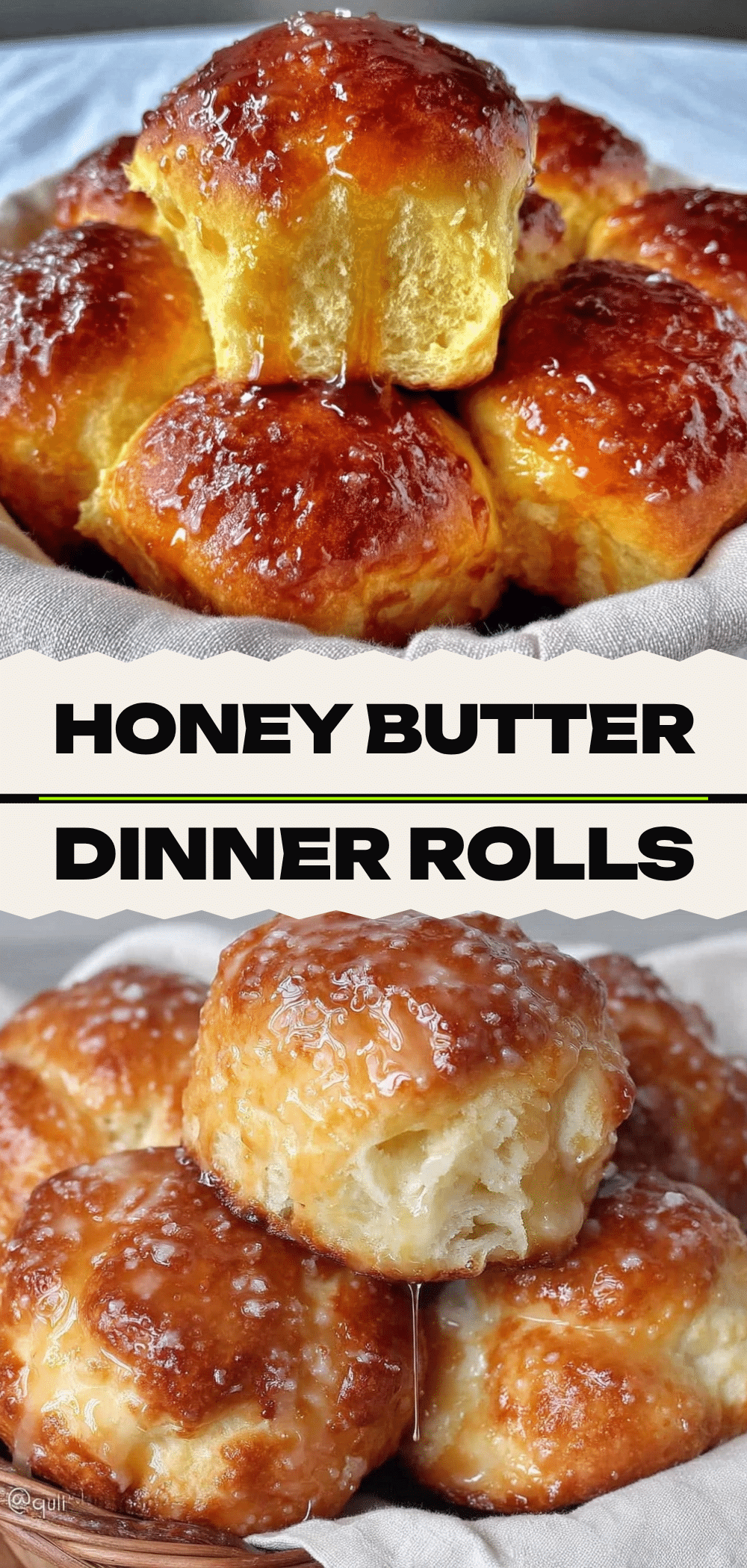

Fluffy Homemade Dinner Rolls: Best Gluten-Free, Dairy-Free
- Total Time: 45 minutes
- Yield: 12 rolls 1x
Description
Soft, pillowy, and golden brown gluten-free and dairy-free dinner rolls that are ready in just 45 minutes. These rolls use pantry staples and avoid the dry, crumbly texture common in gluten-free baking.
Ingredients
- 4 cups (500g) All-Purpose Gluten-Free Flour Blend (with xanthan gum)
- 2 1/4 tsp (1 packet) Active Dry Yeast
- 1 cup (240ml) Warm Almond Milk or Oat Milk (110°F/43°C)
- 1/4 cup (60ml) Coconut Oil or Avocado Oil
- 2 large Eggs (room temperature)
- 3 tbsp Sugar (divided: 1 tsp for yeast, 2 tbsp for eggs)
- 1 tsp Xanthan Gum (only if flour blend does not contain it)
- Salt (to taste, implied by standard baking ratios)
Instructions
- Activate the Yeast: In a small saucepan, combine almond milk and coconut oil. Heat over medium-low until milk reaches 110°F (43°C) and oil is melted. Remove from heat, sprinkle yeast and 1 tsp sugar on top, and let sit for 5-10 minutes until foamy.
- Mix Wet Ingredients: In a stand mixer with a paddle attachment (or large bowl), beat eggs and remaining 2 tbsp sugar until frothy. Pour in the warm yeast mixture and stir to combine.
- Add Dry Ingredients: Add gluten-free flour blend and xanthan gum (if needed) to the wet mixture. Mix on low speed for 2 minutes. The dough should be very sticky, like a thick batter. Do not add more flour.
- First Rise: Cover the bowl with a damp towel or plastic wrap. Let sit in a warm, draft-free spot for 20 minutes until visibly puffier.
- Shape Rolls: Grease a 9×13 inch baking pan or round 9-inch cake pan. Scoop dough onto the pan in mounds, spacing them about 2 inches apart so they touch after rising.
- Second Rise: Cover the pan and let rolls rise for another 15 minutes. Preheat oven to 375°F (190°C) during the last 10 minutes of this rise.
- Bake: Bake for 25 minutes until golden brown. Internal temperature should reach 200-205°F (93-96°C). Tent with foil if browning too quickly.
- Cool and Serve: Let cool in pan for 5 minutes, then transfer to a wire rack. Brush with melted coconut oil or dairy-free butter for extra softness.
Notes
Gluten-free dough is naturally sticky; do not add extra flour. Ensure yeast is fresh and milk is not too hot (110°F) to avoid killing the yeast. Rolls continue to cook as they cool, so remove from oven when tops are golden even if center feels slightly soft. These freeze well for up to 3 months.
- Prep Time: 15 minutes
- Cook Time: 25 minutes
- Category: Side Dish
- Cuisine: American
Nutrition
- Serving Size: 1 roll
- Calories: 180
- Sugar: 2
- Sodium: 150
- Fat: 6
- Saturated Fat: 3
- Carbohydrates: 28
- Fiber: 2
- Protein: 4
Keywords: gluten-free dinner rolls, dairy-free bread, fluffy dinner rolls, quick bread recipe, gluten-free baking, yeast rolls, homemade rolls