Last Thursday, I came home from work feeling like my brain had been put through a blender. You know that feeling? Where you’re hungry, you’re tired, and the mere thought of chopping vegetables makes you want to order pizza and order it twice. I stood in my kitchen for a solid five minutes, staring at the fridge, mentally running through every takeout option within a three-mile radius.
Then I saw it. A bag of frozen shrimp in the freezer and a block of feta cheese in the crisper drawer that was begging to be used. It was a lazy, desperate move. I didn’t have a plan. I didn’t have fresh herbs (well, except for a sad-looking sprig of thyme on the windowsill). But I had shrimp, I had feta, and I had a heavy-bottomed skillet that I’ve been meaning to season properly for years.
I threw everything in there. Olive oil, garlic, lemon, that sad thyme, and a splash of white wine I’d been saving for a “special occasion” that never seemed to come around. I let it simmer while I changed into sweatpants. Ten minutes later, the smell of garlic and sea salt filled the apartment. My partner walked in, sniffed the air, and said, “Is that… dinner? Already?”
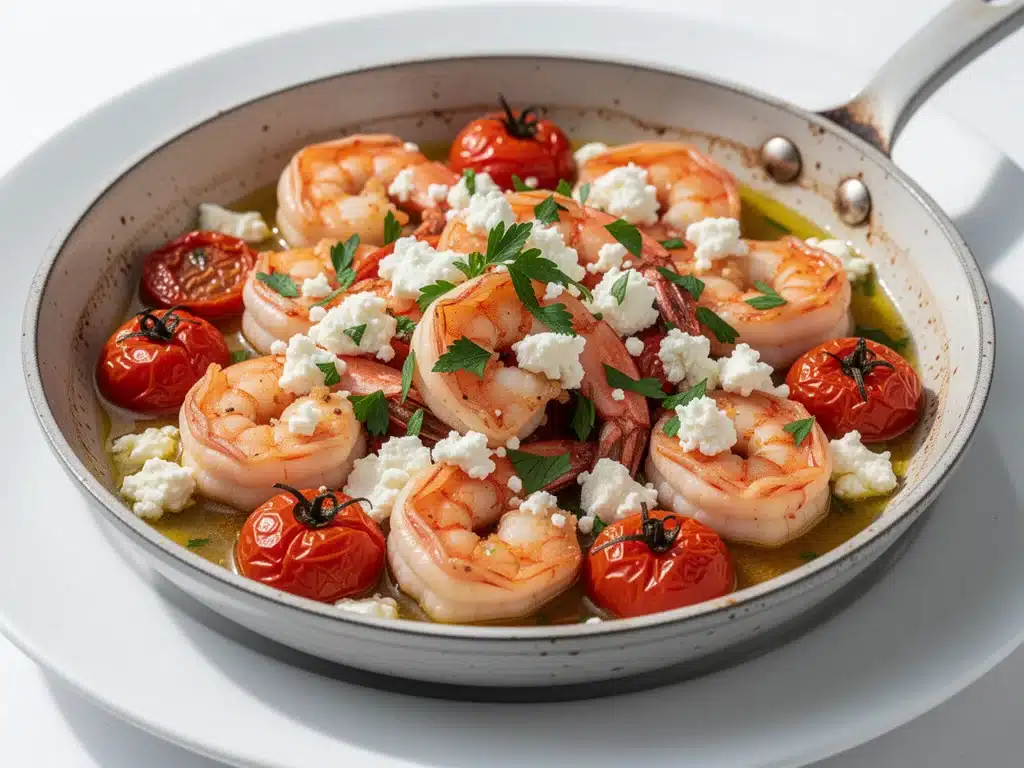
We ate it straight from the pan. No plates. No fancy presentation. Just hot, juicy shrimp coated in a tangy, creamy feta sauce, scooped up with crusty bread. It was the best dinner I’d had in months. Not because it was complicated, but because it was exactly what I needed: fast, flavorful, and forgiving.
That night birthed my go-to Mediterranean shrimp skillet. I’ve made it probably a dozen times since then, tweaking the spices and testing different ways to keep the shrimp from getting rubbery. The result? A 20-minute meal that tastes like a vacation but costs less than a Uber Eats fee. If you’re drowning in weeknight fatigue like I was, this recipe is your new best friend. It’s bright, it’s savory, and it’s ridiculously easy.
Why This Mediterranean Shrimp Skillet Will Save Your Weeknights
Let’s be real: weeknight cooking is the hardest part of the week. You don’t have the energy to prep, you don’t have the time to clean up, and you definitely don’t want to order food that’s going to arrive cold and expensive. This Mediterranean shrimp skillet with feta changes the game. It’s not just “easy”—it’s strategically simple.
Lightning Fast — Seriously, from thawed shrimp to full plate is 20 minutes. I’ve timed it. The shrimp cook in 3 minutes. The sauce takes 10. The rest is prep. It’s faster than boiling water for pasta.
One-Pan Wonder — This is the holy grail of weeknight dinners. You cook the shrimp, you build the sauce, you finish it all in the same skillet. That means one pan to wash. One. I’m not joking. My partner thinks I’m lying when I say this, until he sees the sink.
Foolproof Proteins — Shrimp is the most forgiving protein out there if you know the trick (spoiler: don’t overcook it). Once you get the timing down, you’ll never go back to chicken breasts for a quick meal. Shrimp is tender, sweet, and ready in a flash.
Flavor Bomb — Feta cheese does the heavy lifting here. It melts into the pan juices to create a creamy, tangy sauce without needing heavy cream or butter. It’s rich but bright, thanks to the lemon and garlic. It tastes like you spent hours simmering, but you didn’t.
Pantry-Friendly — You probably have most of this already. Olive oil, garlic, lemon, feta, shrimp. If you have those, you have dinner. No specialty trips to the grocery store required.
This recipe is my answer to “I’m too tired to cook” but “I don’t want to eat cereal for dinner.” It’s reliable, it’s delicious, and it makes your kitchen smell amazing in record time.
Ingredients You’ll Need
Here’s the best part: this recipe is short on ingredients but long on flavor. I’m not asking you to buy anything weird. Here’s what I use, and why it matters.
For the Shrimp
Large shrimp (1.5 lbs / 680g) — Peel and deveined. I buy frozen, raw shrimp and thaw them quickly. Fresh is nice, but frozen is just as good if you handle it right. Look for “wild-caught” if you can—it tastes better. Size matters: go for large or extra-large. Tiny shrimp get lost in the sauce; huge shrimp are a pain to eat. Large is the sweet spot.
Extra virgin olive oil (3 tablespoons) — Don’t skimp here. This is your cooking fat and your flavor base. Use a decent quality oil. I keep a bottle of Bertolli or Colavita on hand. If you’re being fancy, get something from Italy or Greece.
Garlic (5 cloves, minced) — Yes, five. Fresh only. Jarred garlic has a metallic aftertaste that ruins the delicate flavor of shrimp. If you’re lazy, buy pre-minced fresh garlic in a jar, but really, mincing takes 30 seconds.
Lemon (1 large, juiced and zested) — You need both the zest and the juice. The zest adds bright aroma; the juice adds tang. Don’t skip the zest. It’s where the real lemon flavor lives.
Red pepper flakes (½ teaspoon) — Optional, but I recommend it. Just a pinch adds warmth without making it spicy. Adjust to your heat tolerance.
For the Feta Sauce
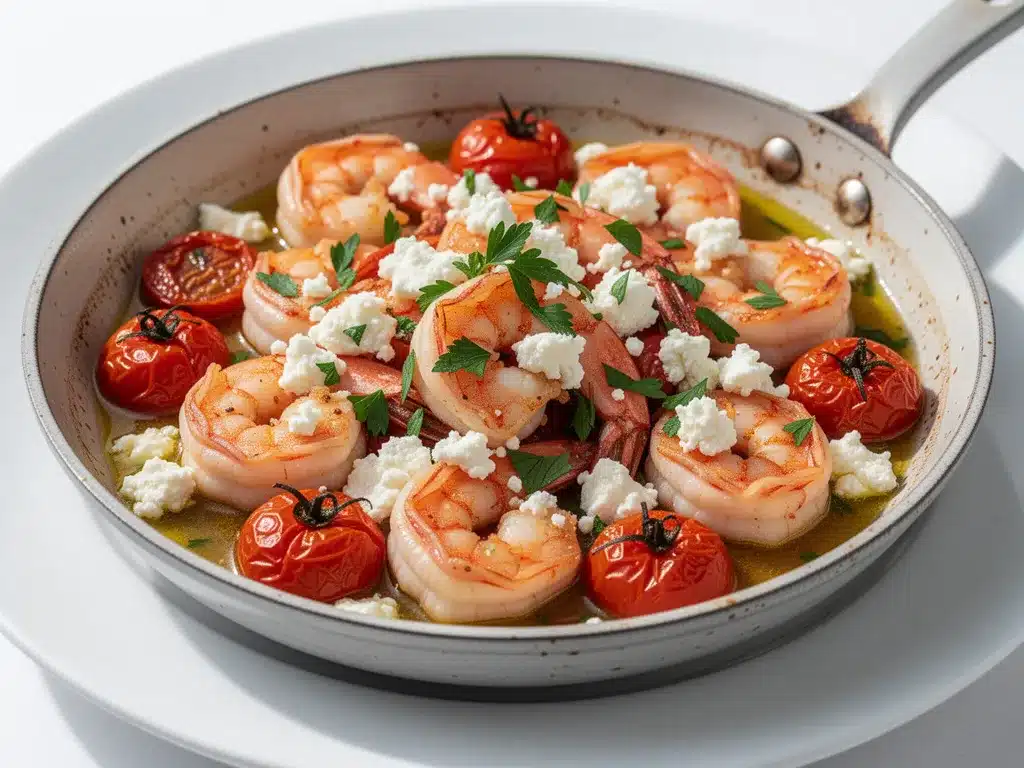
Feta cheese (6 oz / 170g, crumbled) — This is the star. Use a block and crumble it yourself. Pre-crumbled feta is often drier and saltier because of the preservatives. I buy a block of Greek feta—it’s creamier and less salty. If you’re watching sodium, rinse the crumbles before using.
Chicken or vegetable broth (½ cup / 120ml) — Low-sodium is key here because feta is already salty. Vegetable broth works if you’re keeping it vegetarian. I use chicken broth because it adds a nice savory depth.
Heavy cream or coconut cream (¼ cup / 60ml) — Optional, but it makes the sauce richer. I use heavy cream for the authentic creamy texture. For a lighter or dairy-free version, coconut cream works well and adds a subtle sweetness.
The Fresh Finish
Fresh parsley (¼ cup, chopped) — Flat-leaf parsley is best. It adds a fresh, grassy note that cuts through the richness of the feta. If you don’t have parsley, cilantro works, but it changes the flavor profile significantly.
Crusty bread — For serving. You need something to soak up that sauce. A baguette, sourdough, or pita bread all work. I usually grab whatever is in the bread box.
Optional Add-ins — Cherry tomatoes (halved), spinach (fresh), or artichoke hearts (canned, drained). I throw in tomatoes when they’re in season—they burst in the pan and add sweetness. Spinach is great for weeknights because it wilts instantly.
Equipment Needed
You don’t need fancy gear for this. Here’s what I actually use:
12-inch skillet — Cast iron or stainless steel works best. I use a Le Creuset skillet because it heats evenly, but a cheap non-stick works too. Just make sure it’s big enough to hold the shrimp in a single layer. Crowding the pan steams the shrimp instead of searing them.
Colander — For draining the shrimp after thawing. Or just pat them dry with paper towels—thoroughly. Wet shrimp = steamed shrimp = rubbery shrimp.
Zester or microplane — For the lemon zest. A regular grater works, but a microplane gives you finer zest that melts into the sauce better.
Wooden spoon — For stirring the sauce. Silicone works too. Don’t use metal if you’re using non-stick.
Measuring cups and spoons — Standard stuff. Dollar store versions work fine.
How to Make It: Step-by-Step
Alright, let’s make this! I’m walking you through exactly how I do it, including the little tricks I’ve picked up so you don’t end up with rubbery shrimp.
Step 1: Prep the Shrimp (5 minutes)
If you’re using frozen shrimp, thaw them first. Run them under cold water for 5-10 minutes until they’re flexible. Drain well, then pat them DRY with paper towels. I mean really dry. Moisture is the enemy of a good sear. Season the shrimp with a pinch of salt and pepper. Set aside.
Step 2: Sear the Shrimp (3-4 minutes)
Heat olive oil in your skillet over medium-high heat. Once the oil shimmers, add the shrimp in a single layer. Don’t crowd the pan! Cook for 1-2 minutes per side until they turn pink and opaque. They cook fast. As soon as they’re done, remove them from the pan and set them aside on a plate. Do not leave them in the hot pan or they’ll keep cooking and get tough.
Step 3: Build the Sauce (5 minutes)
Reduce the heat to medium. In the same skillet (don’t clean it! Those brown bits are flavor), add the minced garlic and red pepper flakes. Sauté for 30 seconds until fragrant. Be careful not to burn the garlic—it turns bitter instantly. Pour in the lemon juice and zest, then add the broth. Scrape up any browned bits from the bottom of the pan with your wooden spoon.
Step 4: Melt the Feta (3-4 minutes)
Reduce heat to low. Add the crumbled feta cheese and stir gently. It will start to melt into the broth, creating a creamy, tangy sauce. If the sauce looks too thin, let it simmer for another minute. If you’re using heavy cream, stir it in now. The sauce should be glossy and coat the back of a spoon.
Step 5: Combine and Finish (2 minutes)
Return the shrimp to the pan. Toss them gently in the sauce to warm them through. This only takes 1-2 minutes. You’re just reheating them, not cooking them further. Taste the sauce. If it needs more salt, add a pinch. If it needs more brightness, add a squeeze of lemon.
Step 6: Serve
Sprinkle with fresh chopped parsley. Serve immediately with crusty bread to soak up the sauce. I usually plate it up, but sometimes I just eat straight from the pan if no one is looking.
Expert Tips & Tricks
Here’s everything I’ve learned from making this dozens of times. These tips will save you from my mistakes.
Don’t Overcook the Shrimp — This is the #1 mistake. Shrimp cook in 2-3 minutes. Once they’re pink and opaque, they’re done. If they look like little C-shapes, they’re perfect. If they look like O-shapes, they’re overcooked and rubbery. Err on the side of undercooking; they’ll finish cooking in the sauce.
Pat Them Dry — I can’t stress this enough. Wet shrimp steam instead of sear. Use paper towels. Get them bone dry. It makes a huge difference in texture.
Use Good Feta — Not all feta is created equal. Block feta from a Greek dairy is creamier and less salty than pre-crumbled blocks. If your feta is very salty, rinse it under water before crumbling. It removes excess salt and brine.
Scrape the Pan — When you add the broth, use your wooden spoon to scrape up all the browned bits from searing the shrimp. That’s called fond, and it’s pure flavor. Don’t skip this step.
Room Temperature Ingredients — If your feta is ice cold, it might not melt as smoothly. Take it out of the fridge 15 minutes before cooking. Same with the cream. Cold ingredients can cause the sauce to break.
Variations & Substitutions
Once you’ve nailed the basic version, here’s how you can mix it up. I’ve tried all of these.
Vegetarian Version — Skip the shrimp and add chickpeas or white beans. Or just double the feta and add roasted vegetables. I love this with roasted zucchini and bell peppers.
Spicy Version — Add 1 teaspoon of cayenne pepper or use spicy feta (some brands make it). Or add fresh chopped jalapeños with the garlic.
Herb-Forward — Swap parsley for fresh dill or basil. Dill pairs beautifully with lemon and shrimp. Basil makes it feel more Italian.
Gluten-Free — Naturally gluten-free! Just make sure your broth and feta are certified gluten-free (some feta has starch added).
Dairy-Free — Replace feta with nutritional yeast and coconut cream. It’s not the same, but it’s tasty. Or use a vegan feta alternative if you can find one.
Serving & Storage
How to Serve: I serve this straight from the skillet at the dinner table—it looks rustic and stays warm. Pair it with a simple green salad, roasted asparagus, or couscous. And yes, the bread is mandatory. You need to soak up that sauce.
Refrigerator: Store leftovers in an airtight container for up to 3 days. The sauce will thicken in the fridge—totally normal.
Reheating: Add a splash of water or broth to the pan and heat gently over low heat. Stir frequently. The microwave works too, but add a splash of water first or it’ll dry out. Do not overheat the shrimp or they’ll get rubbery.
Freezing: I don’t recommend freezing this. The feta sauce can separate when thawed, and the shrimp texture suffers. Make it fresh or store in the fridge for up to 3 days.
Nutrition Information
I’m not a nutritionist, but here’s the breakdown if you’re tracking. Per serving (based on 4 servings):
- Calories: 320
- Protein: 28g
- Carbs: 6g
- Fiber: 1g
- Sugar: 2g
- Fat: 20g
- Saturated Fat: 10g
- Cholesterol: 280mg
- Sodium: 680mg
Look, this is rich food. Creamy feta, olive oil, shrimp. It’s not a diet recipe. But it’s high in protein, low in carbs, and way better than takeout. When I want to make it lighter, I skip the cream and double the veggies. But usually? I just eat a reasonable portion and enjoy it.
Final Thoughts
So that’s my Mediterranean shrimp skillet with feta! I’ve probably talked your ear off at this point, but when you make a recipe this often, you have a lot to say about it.
This has saved weeknight dinners more times than I can count. It’s my answer to “what’s for dinner” when I’m tired, don’t want takeout, and still want something that tastes really good. My kids are happy, my partner’s happy, and I’m happy because I’m not stressed about cooking.
Make it yours! Try different add-ins, swap in your favorite vegetables, adjust the garlic (though more is always better in my opinion). The best recipes are the ones you adapt to your family’s tastes.
If you make this, drop a comment and let me know what you think! I love hearing how recipes turn out in your kitchen. And if something doesn’t work, tell me that too—I’m here to help troubleshoot.
Happy cooking! And I hope your kitchen smells half as good as mine does right now.
Frequently Asked Questions
Can I use frozen shrimp?
Absolutely. In fact, frozen shrimp is often better because it’s flash-frozen at peak freshness. Just thaw them under cold water for 5-10 minutes, drain well, and pat dry. Don’t cook them frozen—they’ll release too much water and steam instead of sear.
Why did my sauce get grainy?
Usually means the heat was too high when you added the feta. Feta needs gentle heat to melt smoothly. Reduce to low before adding the cheese. If it’s already grainy, whisk in a splash of warm cream or broth to bring it back together.
Can I make this ahead for a dinner party?
Sort of. You can prep the shrimp and chop the herbs ahead of time. But cook the shrimp and make the sauce right before serving. Shrimp cook quickly and get rubbery if they sit too long in the sauce. I pre-chop the garlic and zest the lemon the night before to save time.
Is feta cheese salty?
Yes, it can be. If your feta is very salty, rinse the crumbles under cold water before using. This removes excess salt and brine. Taste the sauce before adding extra salt—you might not need any.
Can I use salmon instead of shrimp?
You can, but the cooking time will be different. Salmon fillets take 10-12 minutes to cook. I’d recommend searing the salmon separately, then making the sauce in the pan, and gently adding the salmon at the end to warm through. It’s delicious, but not the same as the shrimp version.
How do I reheat leftovers without it getting dry?
Add a splash of water, broth, or milk to a skillet. Heat gently over low heat, stirring frequently. The extra liquid brings back the creamy texture. Microwave sort of works but tends to dry it out. If you do microwave, definitely add a splash of liquid first and heat in short bursts, stirring between.
Can I double this recipe?
Yes! Double everything and use your biggest skillet. The cooking times stay mostly the same, but you might need to sear the shrimp in batches if your pan is small. Crowding the pan will steam the shrimp instead of searing them.
Pin This Recipe!
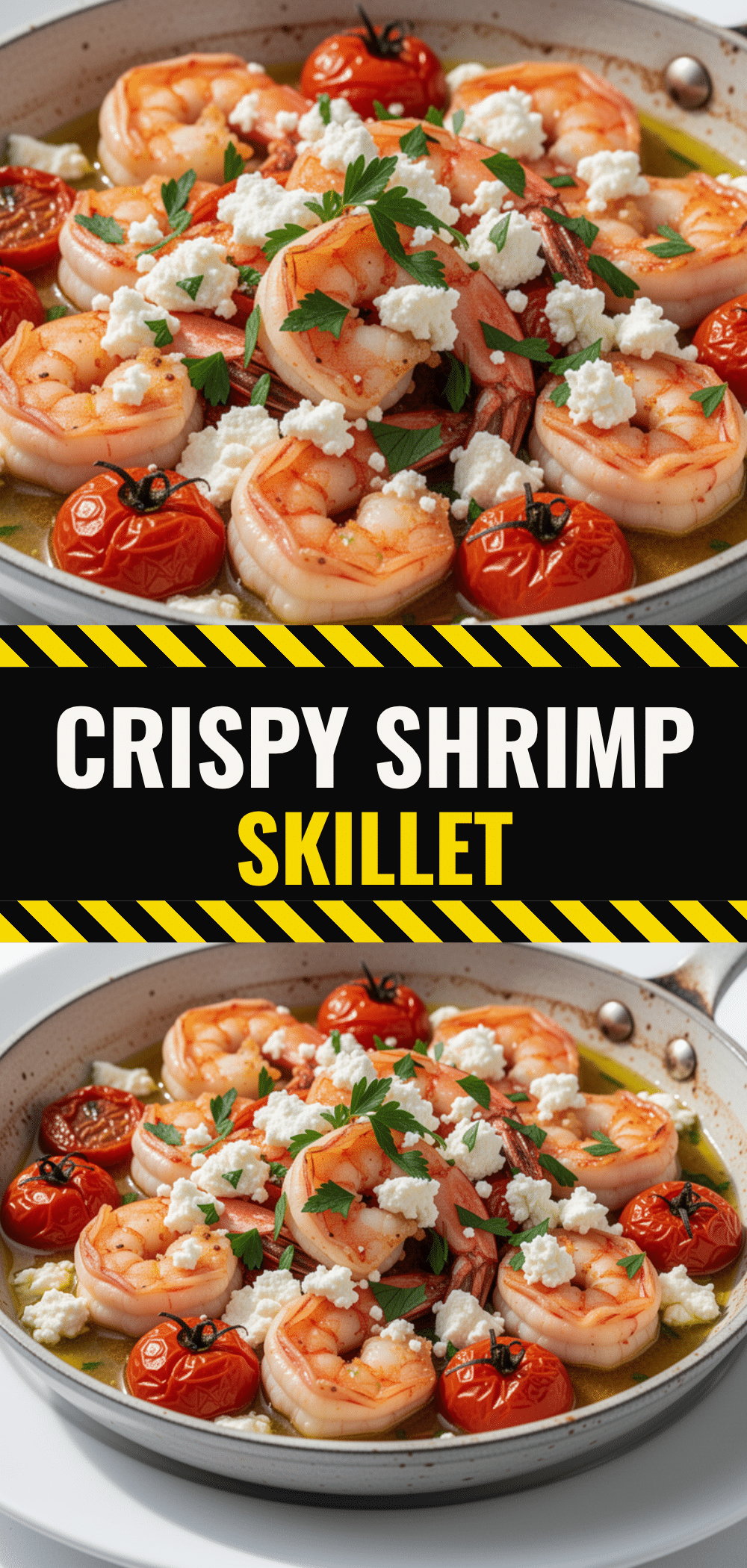
Mediterranean Shrimp Skillet with Feta
- Total Time: 20 minutes
- Yield: 4 servings 1x
Description
A fast, flavorful, and forgiving 20-minute weeknight dinner featuring juicy shrimp in a tangy, creamy feta sauce, cooked entirely in one skillet.
Ingredients
- 1.5 lbs large shrimp, peeled and deveined
- 3 tablespoons extra virgin olive oil
- 5 cloves garlic, minced
- 1 large lemon, juiced and zested
- 1/2 teaspoon red pepper flakes
- 6 oz feta cheese, crumbled
- 1/2 cup chicken or vegetable broth
- 1/4 cup heavy cream or coconut cream
- 1/4 cup fresh parsley, chopped
- Crusty bread, for serving
- Salt and pepper, to taste
Instructions
- Thaw frozen shrimp under cold water if necessary, then drain and pat them completely dry with paper towels. Season with a pinch of salt and pepper.
- Heat olive oil in a 12-inch skillet over medium-high heat. Add shrimp in a single layer and sear for 1-2 minutes per side until pink and opaque. Remove shrimp from the pan and set aside.
- Reduce heat to medium. Add minced garlic and red pepper flakes to the same skillet, sautéing for 30 seconds until fragrant.
- Pour in lemon juice and zest, then add broth. Scrape up any browned bits from the bottom of the pan.
- Reduce heat to low. Add crumbled feta cheese and stir gently until it melts into the broth to form a creamy sauce. Stir in heavy cream or coconut cream if using.
- Return the shrimp to the pan and toss gently in the sauce to warm through for 1-2 minutes.
- Taste and adjust seasoning with salt or lemon juice if needed.
- Sprinkle with fresh chopped parsley and serve immediately with crusty bread.
Notes
Do not overcook the shrimp; they should be C-shaped, not O-shaped. Pat shrimp dry thoroughly to ensure searing rather than steaming. If feta is very salty, rinse it before crumbling. For a dairy-free version, use coconut cream and vegan feta.
- Prep Time: 5 minutes
- Cook Time: 15 minutes
- Category: Main Course
- Cuisine: Mediterranean
Nutrition
- Serving Size: 1/4 of the skillet
- Calories: 320
- Sugar: 2
- Sodium: 680
- Fat: 20
- Saturated Fat: 10
- Carbohydrates: 6
- Fiber: 1
- Protein: 28
Keywords: shrimp, feta, skillet, weeknight dinner, one pan, mediterranean, quick meals, seafood, easy dinner