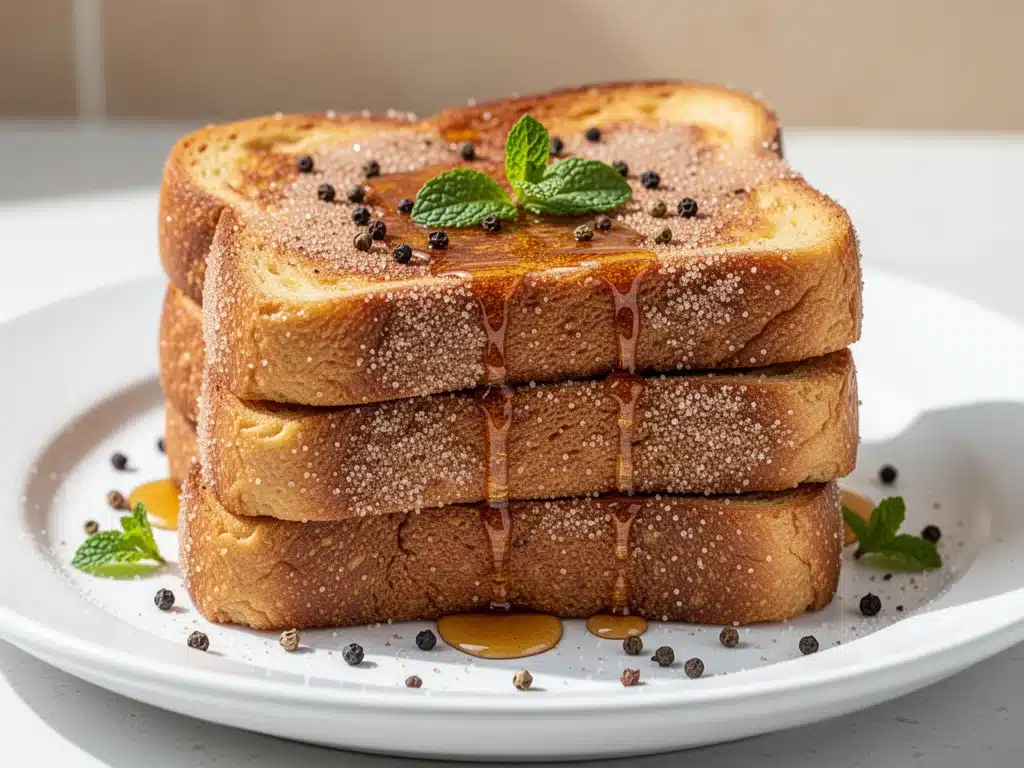
It’s Saturday morning. The house is quiet, the coffee is brewing, and I’m standing in front of my counter staring at a half-loaf of sourdough that went hard as a rock three days ago. For years, I felt guilty about it. I’d stare at that dense, tangy loaf and think, “There has to be a better use for this than toast.” Toasting it again just made it crunchy, not delicious. And baking it into breadcrumbs? That’s a project for another day.
Then, last month, I had an epiphany. It wasn’t a fancy culinary theory. It was just hunger. I remembered how French toast used to be the holy grail of weekend brunches back when I was a kid—thick slices of bread soaked in custard, fried until golden, and dusted with sugar. But standard white bread just gets soggy and bland. Sourdough? Sourdough has structure. It has flavor. It has soul.
I took that stale loaf, sliced it thick, and drowned it in an egg mixture. I expected it to fall apart. Instead, it turned out crispy on the outside, custardy on the inside, and tangy enough to cut through the sweetness. It was the best brunch I’ve made in years. My kids woke up to the smell and actually came downstairs voluntarily. That is a miracle in itself.
This sourdough French toast with cinnamon sugar topping has become my go-to way to use up leftover bread. It’s not just about zero waste (though that’s a nice bonus). It’s about creating a brunch dish that feels fancy enough for guests but simple enough for a lazy Sunday. If you’ve been wondering what to do with that rock-hard loaf sitting in your paper bag, this is your answer. Trust me, once you try this method, you’ll never look at stale bread the same way again.
Why You’ll Love This Sourdough French Toast
I’ve made this recipe probably a dozen times since that first accidental brunch, and it has completely changed how I view weekend mornings. It’s not just “good for leftover bread.” It’s genuinely delicious on its own merits. Here’s why this version beats every other French toast recipe out there.
The Tangy-Sweet Balance — Regular French toast is just sweet. This is sweet *and* tangy. The natural sourness of the fermented sourdough crust pairs perfectly with the warm cinnamon sugar. It’s complex. It’s interesting. It stops feeling like dessert for breakfast and feels like a real meal.
Actually Sturdy — I was terrified this would be a mushy mess. Sourdough has a strong gluten network and a tight crumb. When it soaks up the custard, it holds its shape. You can flip it without it breaking. It gets this incredible caramelized crust that stays crisp even after you plate it. No sogginess. Ever.
Weekend Brunch Ready — This isn’t a 5-minute scramble. It’s a slow-cook dish. It smells amazing. The aroma of butter frying and cinnamon wafting through the house is the best kind of wake-up call. It makes you feel like you’re at a cozy bistro, even if you’re in your pajamas.
Perfect for Leftovers — I make this with bread that’s 2-3 days old. If it’s too fresh, it falls apart. If it’s too old, it doesn’t absorb. Day-old sourdough is the sweet spot. It’s a zero-waste recipe that tastes like luxury.
Customizable Toppings — The base is simple, but the toppings are endless. I love the classic cinnamon sugar, but I also experiment with maple syrup, fresh berries, or even a dollop of whipped cream. It’s a blank canvas for your favorite flavors.
So basically, if you want a brunch that feels special but doesn’t require hours of prep, this is it. It’s reliable, delicious, and makes the kitchen smell incredible.
Ingredients You’ll Need
Here’s the thing about sourdough French toast: the quality of your bread matters. Since you’re using day-old bread, you want something with a good crust and a tight crumb. I usually use a standard white or whole wheat sourdough loaf. Rye or heavy whole grain can work, but they change the flavor profile significantly.
For the Cinnamon Sugar Topping
This is the star of the show. Don’t skip it.
Granulated Sugar (½ cup / 100g) — Regular white sugar works best here. It caramelizes nicely in the pan. Brown sugar is too moist and can make the topping sticky rather than crisp.
Ground Cinnamon (2 teaspoons) — Use good quality cinnamon. The cheap stuff tastes dusty. Smuckers or McCormick works fine. Freshly ground is even better if you have a spice grinder.
Unsalted Butter (2 tablespoons, softened / 30g) — This binds the sugar and cinnamon into a crumble. Softened butter mixes easier than melted butter, which can clump the sugar.
For the Custard Base
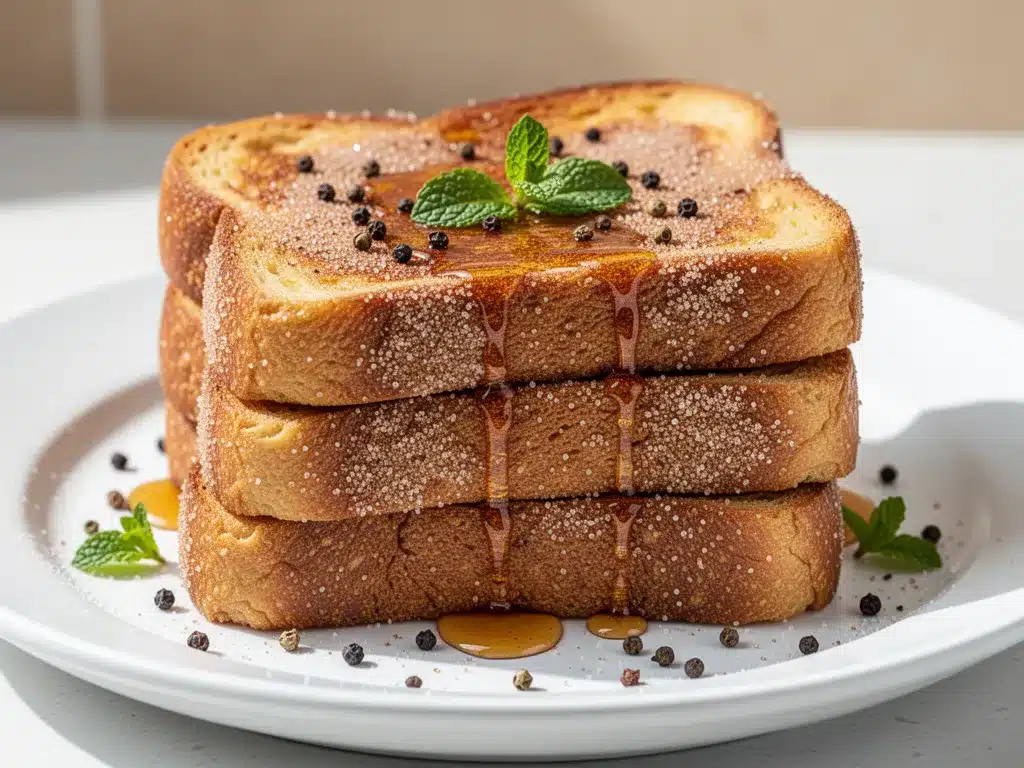
Sourdough Bread (8-10 slices, 1-inch thick) — This is the most important ingredient. It *must* be stale. If you bake it today, leave it out uncovered overnight. If you buy it, let it sit for 2-3 days. The drier the bread, the more custard it absorbs without falling apart.
Eggs (4 large / about 200g) — Room temperature eggs blend better into the custard. Don’t use cold eggs from the fridge; they can shock the mixture. Large eggs are standard, but if yours are huge, you might only need 3.
Heavy Cream (½ cup / 120ml) — This gives the custard richness. Half-and-half works too, but it’s lighter. Whole milk makes it less creamy. For that restaurant-style richness, stick with heavy cream.
Whole Milk (½ cup / 120ml) — This thins out the cream so the bread can actually absorb it. If you use only cream, the custard is too thick and stays on the surface.
Vanilla Extract (1 teaspoon) — Pure vanilla, not imitation. It adds that classic breakfast aroma. If you don’t have vanilla, a pinch of nutmeg works well too.
Cinnamon (½ teaspoon, ground) — Just a little bit in the custard to tie in the topping.
Salt (¼ teaspoon) — This is non-negotiable. Salt balances the sweetness. Without it, the toast tastes flat.
For Cooking
Butter (2-3 tablespoons / 30-45g) — Use unsalted butter for frying. You’ll need enough to coat the pan generously. Don’t be shy with the butter; it creates the golden crust.
Vegetable Oil (1 tablespoon, optional) — I sometimes mix in a little oil with the butter to prevent burning, since butter burns at lower temps. If you’re careful with heat, pure butter is fine.
Equipment Needed
You don’t need fancy gadgets for this. Here’s what I actually use in my kitchen.
Large Shallow Dish — I use a 9×13 glass baking dish. It needs to be wide enough to lay the bread slices flat. A pie plate works too, but it’s shallow and might not hold enough custard for thick slices.
Whisk — For mixing the eggs and cream. A balloon whisk is best because it incorporates air and breaks up the yolks thoroughly.
Cast Iron Skillet — I love cast iron for French toast. It holds heat evenly and gives the best crust. Stainless steel works too, but you need to be careful with hot spots. Non-stick is okay, but you won’t get that deep golden browning.
Tongs — For flipping the toast. Forks can tear the bread if you’re not gentle. Tongs give you better control.
Pastry Brush — Optional, but nice for brushing extra butter on the pan. Or just use a spoon.
Small Bowl — For mixing the cinnamon sugar topping.
Cooling Rack — I place the finished toast on a wire rack set over a baking sheet. This keeps the bottoms from getting soggy while you cook the next batch. If you stack them on a plate, they steam and lose their crispness.
How to Make It: Step-by-Step
Alright, let’s make this! It’s simpler than it looks, but there are a few tricks to get that perfect custardy interior and crispy exterior.
Step 1: Prepare the Cinnamon Sugar Topping (2 minutes)
Before you start cooking, mix your topping. In a small bowl, combine the granulated sugar, ground cinnamon, and softened butter. Use your fingers or a fork to rub the butter into the sugar until it looks like wet sand. It should be crumbly, not a paste. Set this aside. You’ll sprinkle this on the toast *after* it’s cooked, so it stays crisp.
Step 2: Prep the Bread (5 minutes)
Slice your sourdough loaf into 1-inch thick slices. If your loaf is uneven, trim the crusts off the ends to make them uniform. You want 8-10 slices. If the bread is very fresh, leave the slices out on a baking sheet for an hour to dry out slightly. If it’s already stale, you’re good to go. Pat any visible crumbs off the slices with a paper towel.
Step 3: Whisk the Custard (2 minutes)
In your large shallow dish, crack the eggs. Add the heavy cream, whole milk, vanilla extract, ground cinnamon, and salt. Whisk vigorously until the mixture is completely uniform and slightly frothy. You want no streaks of egg yolk. Taste a tiny bit of the raw mixture—it should taste like sweetened vanilla milk. If it’s not sweet enough, add a little more sugar.
Step 4: Soak the Bread (1-2 minutes per slice)
This is the critical step. Dip one slice of sourdough into the custard. Let it soak for about 30 seconds on the first side. Then flip it and soak for another 30 seconds. You want the bread to be saturated but not falling apart. If the bread is very dry, it might need an extra 10 seconds. If it’s softer, go lighter. Lift the slice and let the excess drip off for a few seconds. Place it on a clean plate or rack while you soak the rest.
Step 5: Cook the Toast (3-4 minutes per side)
Heat a large cast iron skillet over medium-low heat. Add 1 tablespoon of butter. Wait until it foams and subsides slightly, but don’t let it brown. If the butter burns, your toast will burn. Wipe out any brown bits with a paper towel if needed.
Place 2-3 slices of soaked bread in the pan. Don’t crowd the pan! Give each slice space. Cook for 3-4 minutes. You’re looking for a deep golden brown crust. If the outside is browning too fast but the inside is still cold, lower the heat. Flip carefully with tongs. Cook the second side for another 3-4 minutes until golden and cooked through.
Transfer to the cooling rack. Wipe the pan and add more butter for the next batch. Repeat with the remaining slices.
Step 6: Serve with Cinnamon Sugar (1 minute)
While the toast is still hot, sprinkle the cinnamon sugar mixture generously over the top. The heat from the toast will slightly melt the sugar, creating a crunchy, aromatic crust. Serve immediately with maple syrup, fresh berries, or whipped cream.
Expert Tips & Tricks
I’ve burned a few batches of French toast before getting this right. Here’s what I’ve learned.
The Bread Must Be Stale — This cannot be stressed enough. Fresh sourdough is too soft. It will turn into mush in the custard. Day-old bread is perfect. If you bake it in the morning, let it cool completely and leave it out overnight. The crust hardens, and the interior dries out slightly, creating the perfect sponge.
Medium-Low Heat is Key — French toast cooks faster than you think. If the pan is too hot, the outside burns before the inside is cooked. I keep my heat around medium-low. It takes a few extra minutes, but the result is worth it. You want a slow, even browning.
Don’t Overcrowd the Pan — If you put too many slices in at once, the temperature of the pan drops, and the toast steams instead of frying. Cook in batches of 2-3 slices. Give them space to breathe.
The Soak Time Matters — Sourdough is dense. It needs time to absorb the custard. But if you leave it too long, it falls apart. 30 seconds per side is usually the sweet spot. Adjust based on how dry your bread is.
Keep It Warm — If you’re serving a crowd, place the finished toast on a cooling rack in a 200°F (95°C) oven while you cook the rest. This keeps them warm without steaming them. Stacking them on a plate makes them soggy.
Use Unsalted Butter — Salted butter can burn faster and adds unpredictable saltiness. Unsalted gives you control over the flavor and ensures a clean, sweet crust.
Variations & Substitutions
Once you nail the basic version, here’s how you can mix it up. I’ve tried all of these.
Brioche Version — If you don’t have sourdough, brioche is the next best thing. It’s richer and sweeter. Use the same method, but soak for less time since brioche is softer.
Chocolate Chip — Sprinkle semi-sweet chocolate chips on the toast after flipping it in the pan. Cover with a lid for 30 seconds to melt. Then sprinkle the cinnamon sugar.
Banana Walnut — Add sliced bananas and chopped walnuts to the pan along with the toast. Cook until bananas are caramelized. Top with cinnamon sugar. It’s like a banana nut muffin in toast form.
Maple Cinnamon — Swap half the sugar in the topping for maple sugar (or just drizzle pure maple syrup on top). The maple flavor pairs beautifully with the sourdough tang.
Dairy-Free — Use oat milk and coconut cream instead of dairy milk and cream. Use coconut oil for frying. The custard will be slightly less rich, but still delicious.
Gluten-Free — Use gluten-free sourdough-style bread. Note that GF bread is often more fragile. Soak for less time (15 seconds per side) and handle gently.
Serving & Storage
How to Serve — I usually serve this straight from the pan to the plate. It looks rustic and stays warm. Top with powdered sugar, fresh berries, or a dollop of whipped cream. Maple syrup is a must for most people.
Side Dishes — This is rich, so I like to pair it with something light. A simple green salad with vinaigrette, crispy bacon, or scrambled eggs work well. Fruit salad is also great to cut through the richness.
Storage — Leftover French toast can be stored in an airtight container in the fridge for up to 2 days. Reheat in a toaster or toaster oven to restore crispness. Microwaving makes it chewy.
Freezing — You can freeze cooked French toast. Let it cool completely, then wrap individually in plastic wrap and foil. Freeze for up to 1 month. Reheat in the oven at 350°F (175°C) for 10-15 minutes.
Pro Tip — If you have extra custard, save it! You can dip more bread the next day. Just keep it covered in the fridge for up to 2 days.
Nutrition Information
I’m not a nutritionist, but here’s the breakdown if you’re tracking. This is per slice (based on 8 slices).
- Calories: 320
- Protein: 10g
- Carbs: 35g
- Fat: 16g
- Sugar: 18g
It’s a treat, so enjoy it! The sourdough adds some fiber and probiotics, which is a nice bonus over white bread.
Final Thoughts
So that’s my sourdough French toast! It’s simple, it’s delicious, and it’s a great way to use up leftover bread. I’ve made this for brunches with friends, lazy Sunday mornings with my kids, and even quick breakfasts when I’m running late. It always works.
Make it yours! Try different toppings, adjust the sweetness, or add your favorite mix-ins. The best recipes are the ones you adapt to your taste.
If you make this, drop a comment and let me know what you think! I love hearing how recipes turn out in your kitchen. Happy cooking!
Frequently Asked Questions
Can I use fresh sourdough bread?
You can, but the results won’t be as good. Fresh bread is too soft and will absorb too much custard, becoming mushy. If you must use fresh bread, slice it and toast it lightly in the oven for 5 minutes to dry it out before soaking. Day-old bread is ideal.
Why is my French toast soggy?
This usually happens if the bread wasn’t stale enough, or if you soaked it for too long. Make sure your bread is dry and firm before dipping. Also, ensure your pan is hot enough to crisp the exterior quickly. If the heat is too low, the toast steams instead of frying.
Can I make this ahead of time?
You can prepare the custard and soak the bread the night before, then cook it in the morning. Just keep the soaked bread covered in the fridge. Alternatively, cook the toast ahead and reheat it in the oven. It won’t be as crisp as fresh, but it’s still good.
What kind of sourdough works best?
Any sourdough works, but a white or light whole wheat loaf is best. Heavy rye or dense grains can be overpowering. The key is a bread with a good crust and a tight crumb that can hold up to soaking.
Can I use almond milk instead of dairy?
Yes, but the custard will be less rich. Almond milk is thinner than dairy milk, so you might want to use less of it and more cream or coconut cream to compensate. The flavor will be slightly different, but still tasty.
How do I get the cinnamon sugar to stick?
The key is to sprinkle it on the toast while it’s still hot and slightly oily from the pan. The heat and moisture help the sugar adhere. If the toast has cooled down, the sugar won’t stick as well. Serve immediately after sprinkling.
Can I freeze the cinnamon sugar topping?
Yes, you can make the topping in advance and store it in an airtight container at room temperature for up to a month. Just mix it again before using to break up any clumps.
Pin This Recipe!
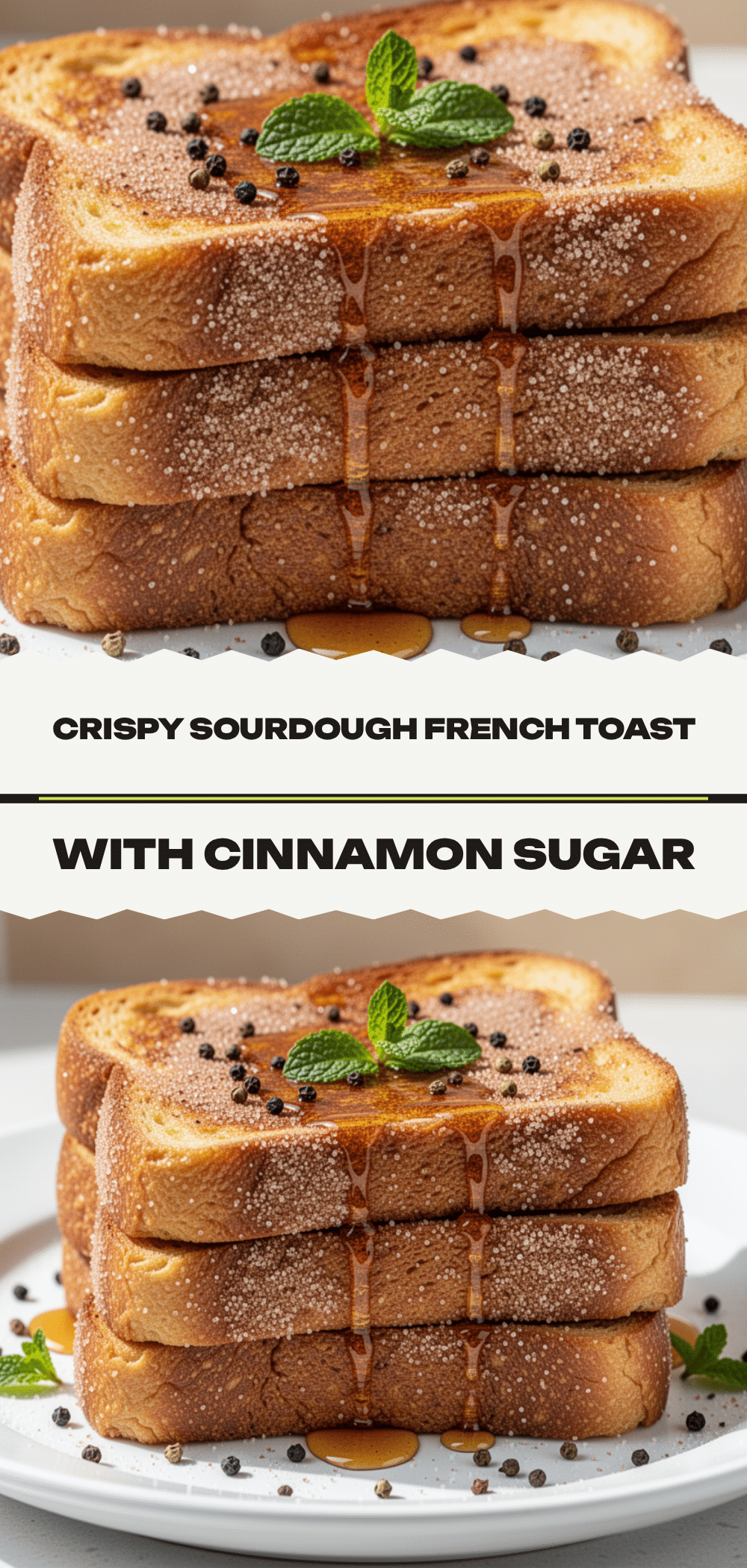

Sourdough French Toast: 5-Step Cinnamon Sugar Brunch
- Total Time: 30 minutes
- Yield: 4 servings 1x
Description
A rich and tangy brunch dish that uses day-old sourdough bread soaked in a creamy custard and fried to golden perfection, topped with a crunchy cinnamon sugar mixture.
Ingredients
- 8–10 slices sourdough bread (1-inch thick, stale/day-old)
- 4 large eggs (room temperature)
- 1/2 cup heavy cream
- 1/2 cup whole milk
- 1 teaspoon vanilla extract
- 1/2 teaspoon ground cinnamon
- 1/4 teaspoon salt
- 1/2 cup granulated sugar
- 2 teaspoons ground cinnamon
- 2 tablespoons unsalted butter (softened)
- 2–3 tablespoons unsalted butter (for frying)
- 1 tablespoon vegetable oil (optional, for frying)
Instructions
- In a small bowl, combine granulated sugar, ground cinnamon, and softened butter. Rub together until the mixture resembles wet sand or coarse crumbs. Set aside.
- Slice the sourdough loaf into 1-inch thick slices. If the bread is fresh, let it sit uncovered for an hour or two to dry out slightly. Pat off any loose crumbs.
- In a large shallow dish (like a 9×13 baking dish), whisk together eggs, heavy cream, whole milk, vanilla extract, 1/2 teaspoon ground cinnamon, and salt until uniform and slightly frothy.
- Dip one slice of bread into the custard, soaking for about 30 seconds per side. Lift the slice and let excess custard drip off. Place on a plate or rack.
- Repeat with remaining slices, soaking each for 30 seconds per side.
- Heat a cast iron skillet over medium-low heat. Add 1 tablespoon of butter and let it foam but not brown.
- Place 2-3 slices of soaked bread in the skillet. Cook for 3-4 minutes until the bottom is deep golden brown.
- Flip the slices carefully with tongs and cook for another 3-4 minutes on the second side until golden and cooked through.
- Transfer cooked toast to a cooling rack set over a baking sheet. Wipe the pan and add more butter for the next batch.
- While the toast is still hot, sprinkle the cinnamon sugar topping generously over the top. Serve immediately.
Notes
The bread must be stale (2-3 days old) to absorb the custard without falling apart. Use medium-low heat to ensure the inside cooks before the outside burns. Do not overcrowd the pan; cook in batches. For best results, serve immediately after topping with cinnamon sugar while the toast is hot.
- Prep Time: 10 minutes
- Cook Time: 20 minutes
- Category: Breakfast
- Cuisine: American
Nutrition
- Serving Size: 1 slice
- Calories: 320
- Sugar: 18
- Sodium: 250
- Fat: 16
- Saturated Fat: 9
- Carbohydrates: 35
- Fiber: 2
- Protein: 10
Keywords: sourdough french toast, cinnamon sugar, brunch, stale bread recipe, breakfast, custard, weekend brunch