Last Tuesday, I was standing in my kitchen at 6:45 PM, staring at a calendar that looked like a crime scene of commitments. I had a work call at 7:30, I needed to pick up dry cleaning, and I was pretty sure I’d forgotten to thaw something important for dinner. The fridge was humming that aggressive, “I’m full of leftovers” hum. I had a bag of sad spinach, half a jar of soy sauce, and two beautiful salmon fillets that had somehow ended up in the front, begging to be eaten.
I didn’t want to order takeout. I didn’t want to make pasta again. I just wanted something fast, healthy, and that didn’t involve scrubbing a dozen pans. So, I threw together what I thought would be a mediocre compromise. I grabbed the honey, the soy, some garlic, and a splash of lime. I fired up the grill (yes, even in November, I’m that person) and threw those fillets on.
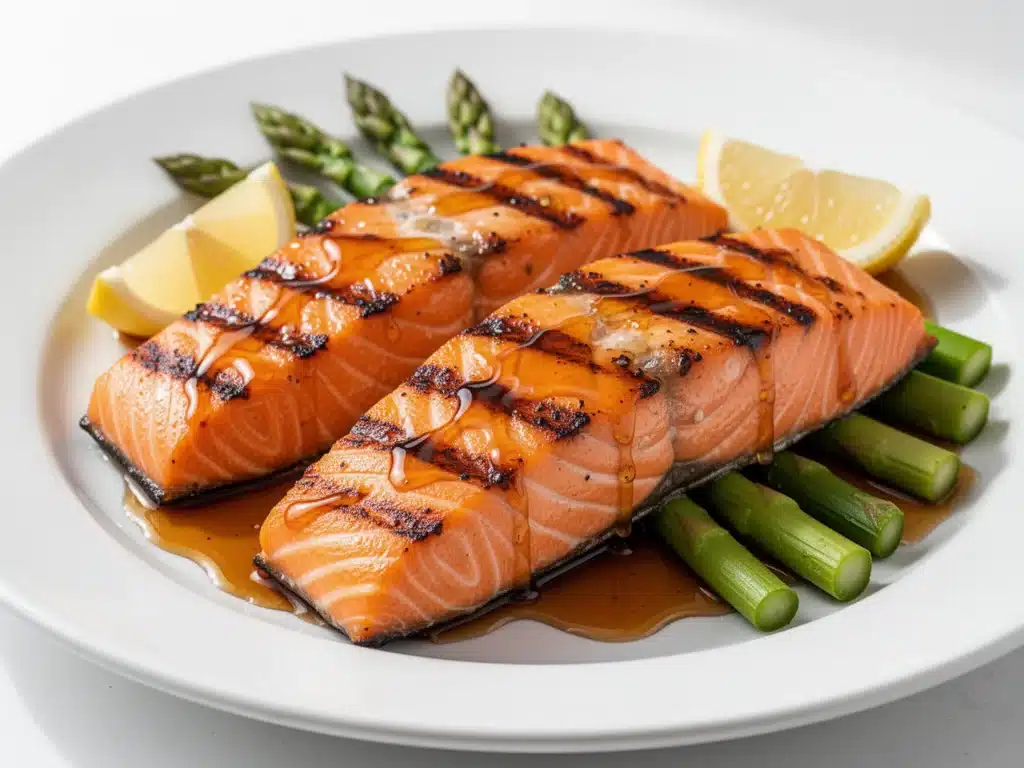
Twenty minutes later, my husband walked in, sniffed the air, and asked, “Did you order from that fancy sushi place?” No. It was just grilled salmon fillets with honey soy glaze. It was sweet, savory, smoky, and ready in the time it takes to scroll through Instagram. That night, I realized I’d been overcomplicating my weeknight dinners for years. I didn’t need complex techniques or obscure ingredients. I just needed a reliable, foolproof recipe that tasted like I’d spent hours planning it.
Since then, I’ve made this grilled salmon recipe at least fifteen times. I’ve tweaked the glaze, tested different grilling methods, and even tried it in the oven when the weather turned nasty (spoiler: the grill is still better). This isn’t just dinner; it’s my go-to answer for “What’s for dinner?” when I have zero energy but high standards. It’s healthy, it’s elegant enough for guests, but simple enough for a Tuesday night when you’re running on coffee and hope.
Why You’ll Love This Honey Soy Salmon
There are about a dozen reasons I keep making this, but here are the big ones that will win you over too. This isn’t just another fish recipe; it’s a weeknight hero.
It’s Actually Fast (15 Minutes) — Seriously. I timed it. From thawed fillet to plated dinner is 15 minutes. If your salmon is frozen solid, add 5 minutes for thawing. But active time? It’s about 10 minutes. I make this on nights when I get home late, and I’m not even sweating it.
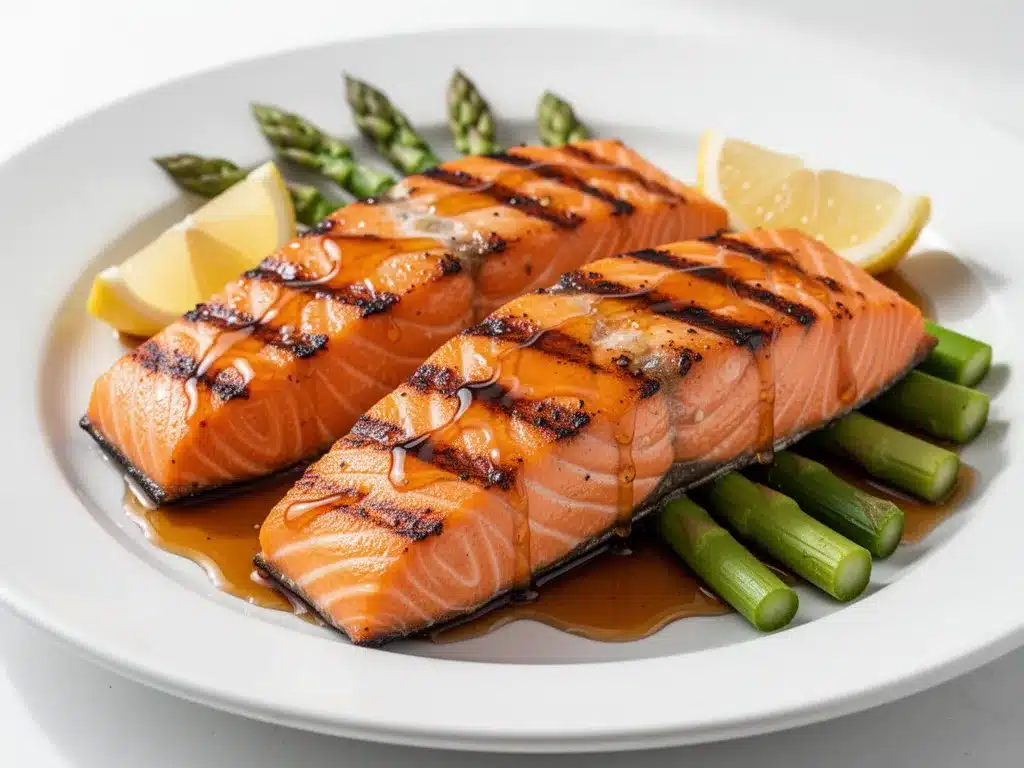
The Glaze is Addictive — It’s that perfect balance of sweet honey and salty soy, with a kick of garlic and ginger. It caramelizes on the grill, creating these little sticky, charred edges that are honestly the best part. My kids, who usually pick at their fish, ask for the “crunchy bits.”
Healthy Without Being Boring — This is packed with omega-3s and protein, but it doesn’t taste like “diet food.” The glaze makes it feel like a treat. I serve it with steamed broccoli or a quick salad, and it feels like a complete, nourishing meal.
Minimal Cleanup — If you use a grill pan or foil on the BBQ, cleanup is a joke. Wipe it down and you’re done. No pots to soak, no sauces to scrub off the stovetop. This is crucial for me on busy weeknights.
Impressively Easy — You can serve this to friends, and they’ll think you’re a gourmet chef. It looks beautiful on the plate—glossy, golden, and flaky. But you’re just brushing sauce on fish. It’s that simple.
This recipe has completely changed our weeknight routine. It’s reliable, delicious, and makes me feel like I’m taking care of my family without burning the house down.
Ingredients You’ll Need
Here’s the best part: you probably have most of this already. This isn’t a trip to the specialty store; it’s a trip to your pantry and fridge. I’m particular about three things here, and I’ll tell you exactly why.
SALMON FILLETS (2 pounds / 900g) — Look for skin-on or skinless fillets that are roughly the same thickness. I prefer wild-caught Alaskan salmon for its firmer texture, which holds up better on the grill. Farmed salmon is fine too, just a bit softer. If they’re huge, cut them in half so they cook evenly.
SOY SAUCE (1/4 cup / 60ml) — Use low-sodium if you can. Regular soy sauce is saltier, so you’ll want to reduce the added salt later. I use Kikkoman or a decent gluten-free tamari if I’m being sensitive to gluten. It’s the savory backbone of the glaze.
HONEY (3 tablespoons / 45ml) — This is the sweetener. I don’t use maple syrup here; it doesn’t caramelize the same way. Honey gets sticky and glossy. If you’re out, light corn syrup works, but honey is best.
FRESH GINGER (1 tablespoon / 5g, grated) — Yes, fresh. Grated ginger adds a bright, spicy warmth that powder just can’t match. If you’re in a rush, use 1 teaspoon of ground ginger, but it won’t be as vibrant. I grate mine on a microplane because it’s faster.
GARLIC (3 cloves, minced / about 1 tablespoon) — Fresh garlic is non-negotiable here. Jarred garlic has a weird metallic taste that clashes with the delicate fish. Mince it fine so it distributes evenly in the glaze.
FRESH LIME JUICE (1 tablespoon / 15ml) — This cuts through the richness of the honey and soy. It adds brightness. If you’re out of limes, lemon works, but lime is the traditional partner for soy and ginger.
SESAME OIL (1 teaspoon) — This is the secret weapon. It’s potent, so you only need a little. It adds that nutty, restaurant-quality aroma. Toasted sesame oil is key—don’t use the raw kind.
RED PEPPER FLAKES (1/4 teaspoon) — Optional, but I recommend it. Just a pinch adds a subtle heat that balances the sweet. If you’re sensitive to spice, skip it or use half.
GREEN ONIONS (2 stalks, sliced) — For garnish. They add color and a fresh onion bite that contrasts with the cooked fish. Don’t skip the garnish; it makes the dish look finished.
WHITE SESAME SEEDS (1 teaspoon) — Optional, but pretty. Sprinkle them on top for that professional look. You can toast them quickly in a dry pan for extra flavor.
Equipment Needed
You don’t need fancy equipment for this. Here’s what I actually use.
Grill or Grill Pan — I prefer an outdoor gas or charcoal grill for that smoky flavor. If you’re cooking indoors, use a cast-iron grill pan. It gets the same char marks and doesn’t heat up the whole house like an oven might.
Small Bowl — For mixing the glaze. Any small bowl works. I keep a set of these for sauces.
Pastry Brush or Silicone Basting Brush — Essential for applying the glaze. A regular spoon is messy and uneven. A brush lets you control the amount and get it into the crevices. I have a cheap silicone one from IKEA that I love.
Tongs — For flipping the fish. Fish is fragile; a fork will break it. Tongs are gentle and precise.
Aluminum Foil or Grill Mats — If you’re using an outdoor grill, I strongly recommend foil or a mat. Salmon sticks to grates like crazy. Foil makes cleanup instant and prevents sticking. I use heavy-duty foil.
Instant-Read Thermometer — This is the #1 way to ensure perfect salmon. No more guessing. Insert it into the thickest part. If you don’t have one, the “flake test” works too.
Cutting Board — For prepping the ginger and garlic. Any board works.
Knife — A sharp chef’s knife makes mincing garlic and grating ginger way easier. Dull knives are dangerous and frustrating.
How to Make It: Step-by-Step
Alright, let’s make this! I’m walking you through exactly how I do it, including the little tricks I’ve picked up so your salmon doesn’t fall apart.
Step 1: Prep the Salmon (2 minutes)
If your salmon is frozen, thaw it in the fridge overnight or in cold water for 30 minutes. Pat it dry with paper towels. This is crucial—wet fish doesn’t grill well; it steams. Dry fish sears. Season both sides lightly with salt and pepper. Don’t over-salt yet, as the soy sauce is salty. Set it aside.
Step 2: Make the Glaze (2 minutes)
In a small bowl, whisk together the soy sauce, honey, minced garlic, grated ginger, lime juice, sesame oil, and red pepper flakes. Stir until the honey is fully dissolved. It should look like a shiny, amber-colored sauce. Taste it—it should be sweet, salty, and tangy. If it’s too sweet, add a splash more lime. If it’s too salty, add a teaspoon more honey.
Step 3: Prep the Grill (2 minutes)
Preheat your grill to medium-high heat (about 400°F / 200°C). If using a grill pan, heat it over medium-high. Oil the grates or your foil heavily with a neutral oil (like avocado or canola) to prevent sticking. I use a paper towel dipped in oil and held with tongs to oil the surface evenly.
Step 4: Grill the Salmon (8-10 minutes)
Place the salmon fillets on the grill, skin-side down if skin-on. Close the lid (if using an outdoor grill) to trap the heat. Cook for 4-5 minutes without moving it. You want good grill marks. Do not try to flip it too early, or the skin will stick and tear.
Step 5: Baste and Flip (3 minutes)
After 4-5 minutes, check the bottom. If it releases easily, flip the fillets. Brush the top side generously with the honey soy glaze. Cook for another 3-4 minutes, brushing with glaze every minute or so. The glaze will bubble and caramelize. The internal temperature should reach 145°F (63°C), or until the fish flakes easily with a fork.
Step 6: Rest and Serve (2 minutes)
Remove the salmon from the grill and let it rest for 1-2 minutes. This lets the juices redistribute. Transfer to plates. Drizzle any remaining glaze from the pan over the top. Garnish with sliced green onions and sesame seeds. Serve immediately.
Total Time: About 15 minutes (5 minutes prep, 10 minutes cook).
Troubleshooting: If the glaze burns, lower the heat. Honey burns fast! If the fish sticks to the grill, it wasn’t oiled enough or you tried to flip too soon. Let it cook a minute longer.
Expert Tips & Tricks
Here’s everything I’ve learned from making this dozens of times. These tips will save you from my mistakes.
Don’t Overcook It — Salmon continues to cook after it’s off the heat. Pull it at 140°F (60°C) and let it rest. It’ll finish at 145°F. Overcooked salmon is dry and chalky. Undercooked is safe if it’s 145°F throughout, but if you’re worried, go for 140°F for medium-rare.
Oil the Foil, Not Just the Grill — If you’re using foil, oil the foil itself. Salmon skin is sticky, and even oiled grates can fail. A thick layer of oil on the foil is your safety net.
Save the Glaze for Later — If you’re worried about raw garlic/ginger in the glaze, reserve 1/4 cup of the glaze before adding it to the fish. Brush the raw glaze on during cooking, and use the reserved cooked glaze as a dipping sauce or finishing drizzle. This is safer for kids or those wary of raw aromatics.
Use a Meat Thermometer — I know, it’s not romantic. But it’s the only way to get perfect results every time. Guessing leads to disappointment. Buy a cheap one; it changes everything.
Grill Veggies Alongside — Asparagus, zucchini, and bell peppers grill beautifully on the same rack. Toss them in oil and grill them while the salmon rests. One pan, one meal, zero stress.
Leftover Glaze — The glaze that drips onto the foil is pure gold. Scrape it off and drizzle it over rice or noodles. Don’t waste it.
Variations & Substitutions
Once you’ve nailed the basic version, here’s how you can mix it up. I’ve tried all of these.
Teriyaki Twist — Add 1 teaspoon of cornstarch to the glaze and simmer it in a pan until thickened before brushing. This creates a thicker, glossier coating like teriyaki sauce.
Spicy Sriracha — Swap the red pepper flakes for 1 tablespoon of Sriracha. It adds a garlicky heat that pairs amazingly with the honey. Great for those who like a kick.
Orange Glaze — Swap the lime juice for orange juice and add a teaspoon of orange zest. It’s sweeter and more floral. Perfect for spring.
Oven Method — No grill? Bake at 400°F (200°C) for 12-15 minutes. Brush with glaze halfway through. It won’t have the char, but it’s still delicious and easy.
Air Fryer — Cook at 400°F for 8-10 minutes. Brush with glaze at the 5-minute mark. Quick and crispy.
Dietary Modifications:
- Gluten-Free: Use tamari instead of soy sauce.
- Dairy-Free: This recipe is naturally dairy-free!
- Low-Sodium: Use low-sodium soy sauce and reduce added salt.
- Keto/Low-Carb: Swap honey for monk fruit sweetener or erythritol. It won’t caramelize as well, but the flavor is similar.
Serving & Storage
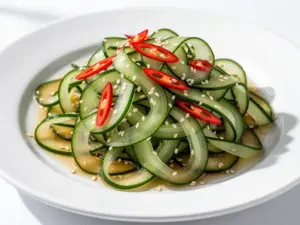
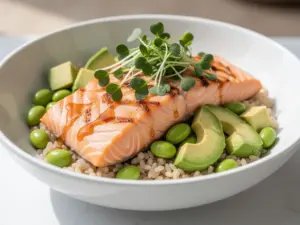
How to Serve: I usually serve this with steamed jasmine rice, quinoa, or roasted vegetables. A simple cucumber salad with rice vinegar and sesame oil is a perfect side. It’s light, refreshing, and balances the rich fish.
Storage: Store leftovers in an airtight container in the fridge for up to 3 days. The fish will keep well, though the texture may soften slightly.
Reheating: Reheat gently in a skillet over low heat with a splash of water or broth. Or microwave in 30-second intervals. Avoid high heat, or the fish will dry out. The glaze might separate, but a quick stir will bring it back.
Freezing: I don’t recommend freezing cooked salmon. It gets mushy. If you must freeze, freeze the raw fillets with the glaze (in a bag) and cook from frozen, adding a few minutes to the cook time.
Nutrition Information
I’m not a nutritionist, but here’s the breakdown if you’re tracking. This is per serving (based on 4 servings).
| Nutrient | Amount |
|---|---|
| Calories | 320 |
| Protein | 34g |
| Carbs | 18g |
| Fiber | 0g |
| Sugar | 16g |
| Fat | 14g |
| Saturated Fat | 2g |
| Sodium | 680mg |
What’s Good: High in protein and omega-3s. Low in saturated fat. No gluten or dairy.
What to Know: Higher in sugar due to honey. Higher in sodium due to soy sauce. Use low-sodium soy sauce to cut sodium by half.
My Take: This is a healthy, balanced meal. The sugar is natural from honey, and the sodium is manageable if you watch your other meals. It’s way better than takeout and costs less.
Final Thoughts
So that’s my grilled salmon fillets with honey soy glaze! I’ve probably talked your ear off at this point, but when you make a recipe this often, you have a lot to say about it.
This has saved weeknight dinners more times than I can count. It’s my answer to “what’s for dinner” when I’m tired, don’t want takeout, and still want something that tastes really good. My kids are happy, my husband’s happy, and I’m happy because I’m not stressed about cooking.
Make it yours! Try different add-ins, swap in your favorite vegetables, adjust the garlic (though more is always better in my opinion). The best recipes are the ones you adapt to your family’s tastes.
If you make this, drop a comment and let me know what you think! I love hearing how recipes turn out in your kitchen. And if something doesn’t work, tell me that too—I’m here to help troubleshoot.
Happy cooking! And I hope your kitchen smells half as good as mine does right now.
Frequently Asked Questions
Can I use frozen salmon?
Yes, but you must thaw it completely first. Cooking frozen salmon directly will result in uneven cooking—burnt outside, raw inside. Thaw it in the fridge overnight or in a bag of cold water for 30 minutes. Pat it dry very well before grilling.
Why did my salmon stick to the grill?
Two reasons: the grill wasn’t hot enough, or it wasn’t oiled enough. Make sure the grill is preheated for 10-15 minutes before adding fish. Oil the grates (or foil) generously. Also, don’t flip too early! Let the fish release itself naturally after 4-5 minutes.
Can I make this in the oven?
Absolutely. Preheat to 400°F (200°C). Place salmon on a lined baking sheet. Brush with glaze and bake for 12-15 minutes. It won’t have the smoky char, but the flavor is the same. Great for rainy days.
Is this safe for kids?
Yes! It’s mild and sweet. If you’re worried about the raw garlic/ginger in the glaze, reserve some glaze before brushing it on the fish, and use that as a dipping sauce. Or just ensure the glaze is fully cooked onto the fish.
How do I know when the salmon is done?
The best way is a meat thermometer. Insert it into the thickest part. It should read 145°F (63°C). Alternatively, use the “flake test”: gently press the fish with a fork. If it flakes easily and is opaque throughout, it’s done. If it’s still translucent in the center, cook a bit longer.
Can I double this recipe?
Yes! Double all ingredients. If using a grill, you may need to cook in batches to avoid overcrowding. Overcrowding steams the fish instead of grilling it. If using an oven, use two baking sheets.
What sides go well with this?
Steamed rice, quinoa, roasted asparagus, grilled zucchini, or a simple green salad. I also love it with a mango salsa on top for a tropical twist.
Pin This Recipe!
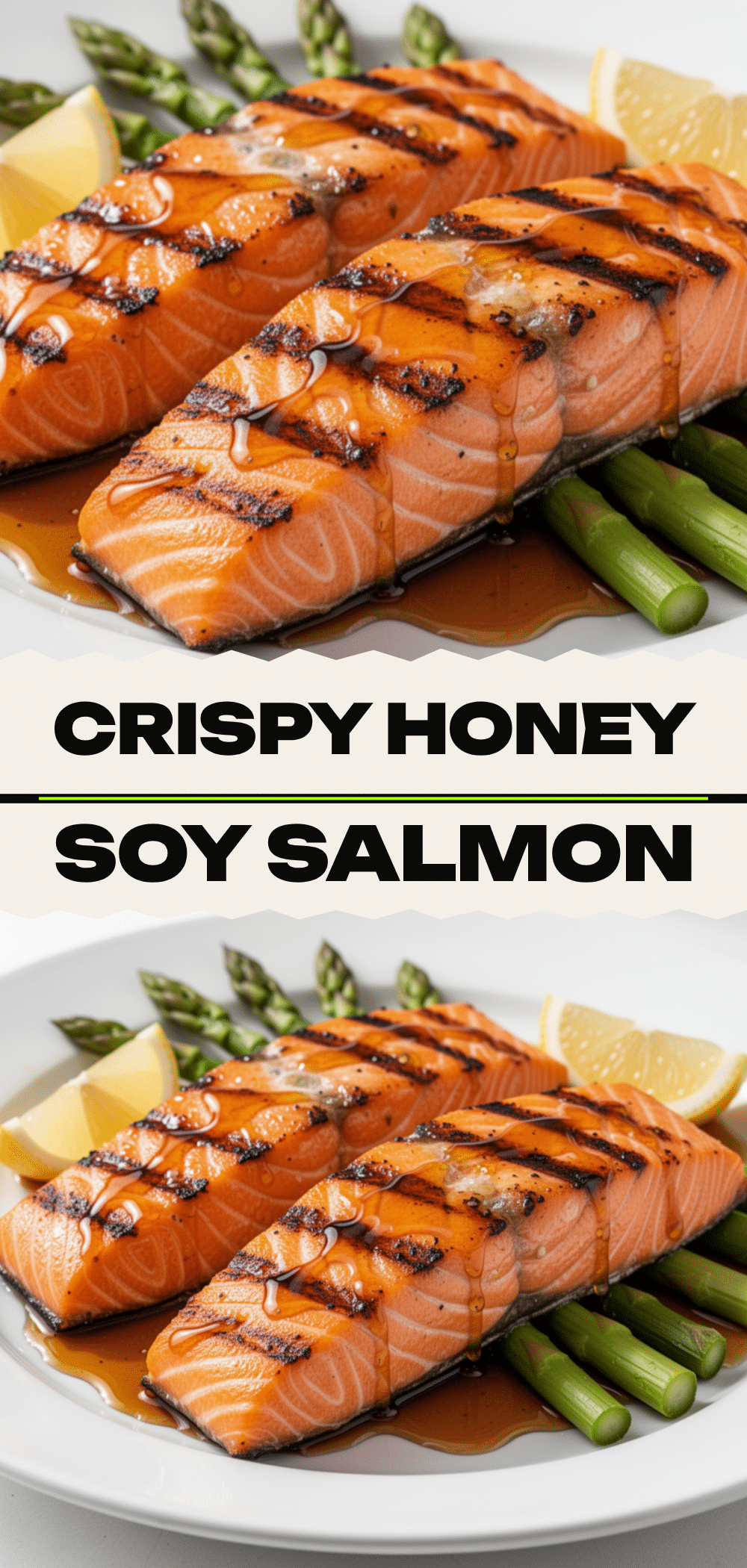
Grilled Salmon Fillets: Easy 15-Minute Honey Soy Dinner
- Total Time: 15 minutes
- Yield: 4 servings 1x
Description
A quick and healthy weeknight dinner featuring salmon fillets with a sweet, savory, and smoky honey soy glaze. Ready in just 15 minutes with minimal cleanup.
Ingredients
- 2 pounds salmon fillets (skin-on or skinless)
- 1/4 cup soy sauce (low-sodium recommended)
- 3 tablespoons honey
- 1 tablespoon fresh ginger, grated
- 3 cloves garlic, minced
- 1 tablespoon fresh lime juice
- 1 teaspoon toasted sesame oil
- 1/4 teaspoon red pepper flakes (optional)
- 2 stalks green onions, sliced (for garnish)
- 1 teaspoon white sesame seeds (optional, for garnish)
- Salt and black pepper (for seasoning)
- Neutral oil (for grating/oiling foil)
Instructions
- Thaw salmon if frozen, then pat dry with paper towels. Season lightly with salt and pepper.
- In a small bowl, whisk together soy sauce, honey, minced garlic, grated ginger, lime juice, sesame oil, and red pepper flakes until honey is dissolved.
- Preheat grill to medium-high heat (400°F / 200°C). Oil the grates or aluminum foil heavily to prevent sticking.
- Place salmon fillets on the grill, skin-side down. Cook for 4-5 minutes without moving to get grill marks.
- Flip the fillets. Brush the top side generously with the honey soy glaze.
- Cook for another 3-4 minutes, brushing with glaze every minute, until internal temperature reaches 145°F (63°C) or fish flakes easily.
- Remove from grill and let rest for 1-2 minutes.
- Transfer to plates, drizzle with remaining glaze, and garnish with green onions and sesame seeds.
Notes
Do not overcook the salmon; it continues to cook after being removed from heat. Pull at 140°F for medium-rare or 145°F for well-done. If using foil, oil the foil itself as salmon skin is sticky. For a thicker glaze, simmer with cornstarch. Can be baked at 400°F for 12-15 minutes if grilling is not an option.
- Prep Time: 5 minutes
- Cook Time: 10 minutes
- Category: Main Course
- Cuisine: Asian Fusion
Nutrition
- Serving Size: 1 fillet per serving
- Calories: 320
- Sugar: 16
- Sodium: 680
- Fat: 14
- Saturated Fat: 2
- Carbohydrates: 18
- Protein: 34
Keywords: grilled salmon, honey soy glaze, quick dinner, healthy seafood, weeknight meals, easy salmon recipe, gluten-free dinner