It was 5:45 PM on a Tuesday, and the house was already a disaster zone. Shoes by the door, a pile of laundry on the couch, and my youngest kid asking if we could order pizza for the third time this week. I was staring into the open fridge, feeling that familiar wave of dread wash over me. We had zero time, zero energy, and zero desire to deal with a complicated meal. But I also knew that if I ordered takeout again, I’d feel guilty, and my bank account would suffer. That’s when I spotted four wild-caught salmon fillets hiding in the back of the freezer, a stick of butter that was starting to soften, and a bunch of fresh dill that was wilting slightly in the crisper drawer.
I didn’t have time to marinate. I didn’t have time to sear. I needed something fast, healthy, and actually delicious. So I threw together what I now call my “panic button” dinner: baked salmon with garlic butter and fresh herbs. I popped it in the oven at 400 degrees while I plated some roasted broccoli and microwaved some quinoa. Fifteen minutes later, the smell of garlic and dill filled the house, and my husband actually stopped scrolling on his phone to ask what was for dinner. That night, we ate in silence for a good ten minutes, just enjoying the food. It was that good.
This baked salmon recipe has since become my absolute go-to for busy weeknights. It’s not just because it’s fast—it’s because it’s foolproof. Salmon is one of those ingredients that forgives you if you mess up slightly, but this method ensures you nail it every single time. The garlic butter baste keeps the fish moist and flaky, while the fresh herbs add a brightness that makes it taste like you spent hours in the kitchen, not fifteen minutes. I’ve made this for date nights, for quick lunches, and for when I just need to feed my family something nutritious without the stress. If you’re looking for a way to get dinner on the table without sacrificing flavor or health, this is it.
Why You’ll Love This Garlic Butter Salmon
There are about ten reasons I keep making this salmon recipe, but if I’m being honest, it usually comes down to three big ones. First, it respects your time. Second, it respects your health goals. And third, it respects your taste buds. Here’s the breakdown of why this baked salmon with garlic butter and fresh herbs has earned a permanent spot in our weekly rotation.
- Lightning Fast — Seriously, from preheat to plate is about 20 minutes. That’s 5 minutes of prep and 15 minutes of hands-off baking. I make this on nights when I get home at 6:30 PM and still want a real meal. No standing over a stove, no splattering oil, just pop it in the oven and let it do its thing.
- Healthy and Simple — Salmon is packed with omega-3 fatty acids and protein, and this cooking method requires almost no oil. The garlic butter adds richness without weighing you down, and the herbs provide flavor without needing heavy sauces or additives. It’s clean eating that doesn’t taste like cardboard.
- Foolproof Texture — One of the biggest fears people have with fish is overcooking it. Salmon dries out fast. But baking it at 400°F with a butter baste creates a steamy, protected environment that keeps the flesh tender and flaky. I’ve made this for picky eaters who usually hate fish, and they’ve never complained about dry texture once.
- Pantry and Fridge Staples — You probably have 90% of these ingredients already. Butter, garlic, lemon, dill (or parsley), and salmon. That’s it. It’s a great way to use up that wilting herb bunch or a salmon fillet you forgot to thaw.
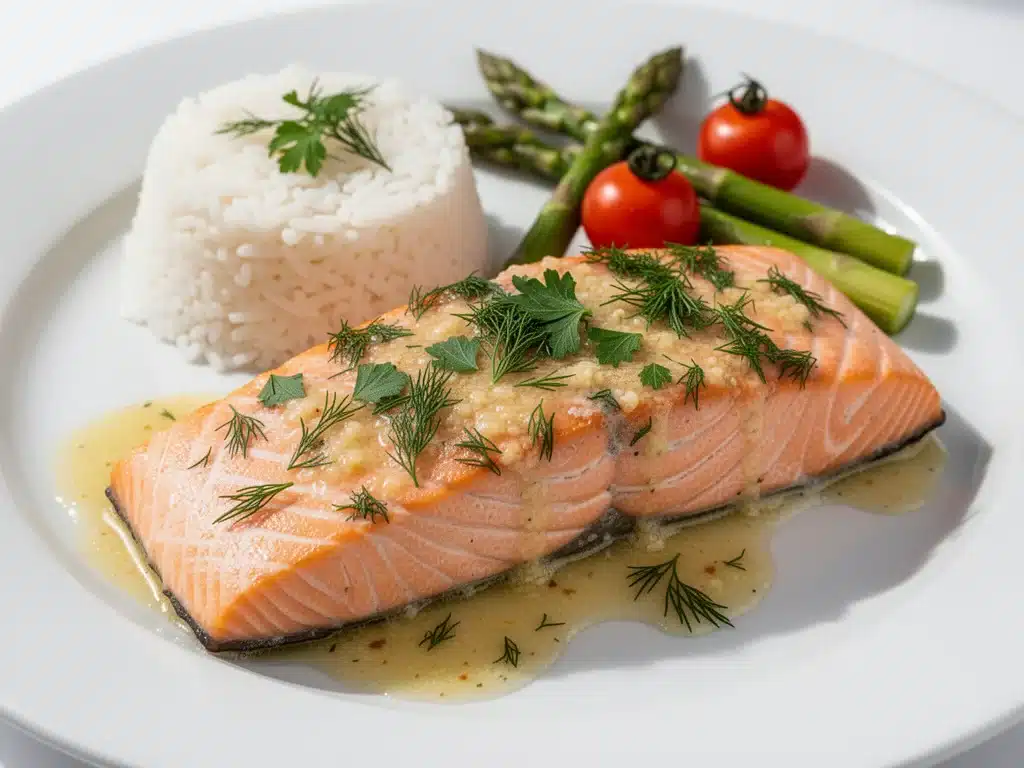
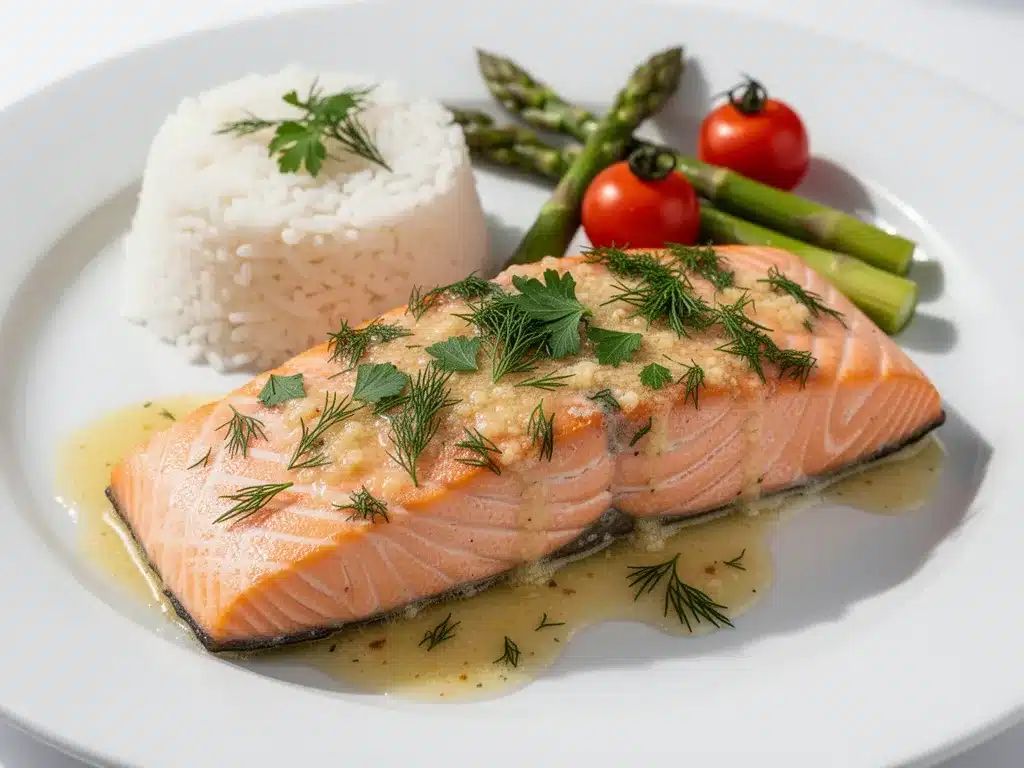
- Impressive but Easy — Despite its simplicity, this dish looks and smells fancy. The golden-brown garlic butter bubbling over the pink fish is visually stunning. It’s perfect for a quick date night in or when guests drop by unexpectedly.
This recipe has saved me from takeout more times than I can count. It’s my answer to “what’s for dinner” when I’m tired, stressed, and want to feel good about what I’m eating. It just works.
Ingredients You’ll Need
Here’s the best part: this recipe is incredibly straightforward. You don’t need a shopping trip to the specialty store. I’m particular about a few things here, mostly because quality matters when you have so few ingredients, but overall, this is a pantry-friendly list.
For the Salmon
Salmon fillets (4 fillets, about 6oz each / 1.2kg) — I use wild-caught Atlantic or sockeye when I can find it, but farmed Atlantic works fine too. Look for fillets that are uniform in thickness so they cook evenly. If your fillets are huge, you might need to adjust the baking time slightly.
Neutral oil (1 tablespoon / 15ml) — I use avocado oil or light olive oil to prevent burning. You’re just brushing the fish so it doesn’t stick; you don’t need a lot.
Salt and black pepper — Kosher salt is my go-to because it’s easier to control. Freshly cracked black pepper adds a nice bite.
For the Garlic Butter Baste
Unsalted butter (4 tablespoons / 60g) — This is the star of the show. Use good quality butter. If you use salted butter, reduce the added salt in the recipe. I like European-style butter for its richer flavor, but standard supermarket butter works great too.
Garlic (4-5 cloves, minced / about 2 tablespoons) — Yes, five cloves. Don’t skimp on the garlic. It’s going to mellow out in the heat, and you want that savory depth. Fresh garlic only—please, for the love of all things holy, do not use jarred garlic for this. It has a metallic aftertaste that ruins the delicate flavor of the fish.
Fresh lemon juice (2 tablespoons / 30ml) — Squeeze a fresh lemon. Bottled juice is too acidic and flat. The acidity cuts through the richness of the butter and brightens the whole dish.
For the Fresh Herbs
Fresh dill (2 tablespoons, chopped / about 10g) — Dill is the classic pairing for salmon. It’s bright, grassy, and slightly anise-like. If you hate dill, don’t worry, I’ll give you alternatives below.
Fresh parsley (1 tablespoon, chopped / about 5g) — I add parsley for color and a mild, fresh contrast. Flat-leaf Italian parsley is best here.
Red pepper flakes (¼ teaspoon, optional) — Just a pinch. It doesn’t make it spicy, but it adds a subtle warmth that plays well with the garlic.
Lemon zest (1 teaspoon) — Zest the lemon before you juice it. The oils in the peel add a huge punch of aroma that juice alone can’t match.
Pro Tip — If you’re buying salmon and aren’t sure how to pick a good one, look for flesh that is bright pink or orange and firm to the touch. It should smell like the ocean, not fishy. If it smells strong or metallic, put it back.
Equipment Needed
You don’t need fancy equipment for this. Here’s what I actually use in my kitchen.
- Baking dish or sheet pan — I prefer a 9×13 inch glass or ceramic baking dish. It holds the butter sauce nicely so it doesn’t burn on the bottom of the pan. A rimmed sheet pan works too, but line it with foil for easy cleanup.
- Small saucepan or microwave-safe bowl — For melting the butter. I use a small saucepan on the stove because I can control the heat better, but a bowl in the microwave for 30 seconds works just as well.
- Pastry brush or spoon — To baste the salmon. A silicone brush is great for getting into the nooks and crannies.
- Sharp knife and cutting board — For mincing garlic and chopping herbs.
- Zester or microplane — For getting that lemon zest. A regular grater works, but a microplane is safer and finer.
Tool Tip — I’m obsessed with my small non-stick saucepan for melting butter. It’s like $5 and makes cleanup a breeze. If you’re using a sheet pan, definitely line it with parchment paper. Salmon skin can be sticky, and you’ll thank me later.
How to Make It: Step-by-Step
Alright, let’s make this! I’m walking you through exactly how I do it, including the little tricks I’ve picked up over the years. This method is designed for speed and reliability.
Step 1: Prep the Oven and Pan (2 minutes)
Preheat your oven to 400°F (200°C). This temperature is key. It’s hot enough to cook the salmon quickly and keep it moist, but not so hot that the butter burns. While the oven heats, line your 9×13 inch baking dish with foil or parchment paper for easy cleanup. Lightly grease it with a little oil.
Step 2: Prepare the Salmon (3 minutes)
Pat the salmon fillets dry with paper towels. This is important—dry fish browns better and doesn’t steam in its own juices. Season both sides generously with salt and pepper. Place them skin-side down in the prepared baking dish. If the fillets have skins, that’s fine; the skin helps hold the fish together.
Step 3: Make the Garlic Butter Mixture (2 minutes)
In a small saucepan over low heat, melt the butter. Once melted, remove from heat. Stir in the minced garlic, lemon juice, lemon zest, chopped dill, parsley, and red pepper flakes. Whisk it all together. You want the garlic to infuse the butter without cooking it too much, which would make it bitter. The mixture should look fragrant and vibrant green from the herbs.
Step 4: Baste and Bake (15 minutes)
Pour or brush half of the garlic butter mixture over the salmon fillets. Make sure to get it under the edges if possible. Place the dish in the preheated oven. Bake for 12-15 minutes. The exact time depends on the thickness of your fillets. A general rule of thumb is 4-5 minutes per half-inch of thickness. The salmon is done when it flakes easily with a fork and is opaque throughout.
Step 5: Final Baste and Serve (1 minute)
Remove the dish from the oven. Spoon any remaining garlic butter from the pan over the top of the fish. Let it rest for 2-3 minutes before serving. This allows the juices to redistribute. Serve immediately with the pan juices poured over the top.
Total Time: About 20 minutes (5 minutes prep, 15 minutes cooking).
Troubleshooting: If the salmon looks like it’s cooking too fast, cover it loosely with foil. If it’s still slightly translucent in the center, give it another 2 minutes. Remember, residual heat will continue to cook it after you take it out of the oven.
Expert Tips & Tricks
Here’s everything I’ve learned from making this dozens of times. These tips will save you from my mistakes.
- Don’t Overcook It — This is the #1 mistake. Salmon continues to cook after it’s out of the oven. Pull it when it’s just barely opaque in the very center. It will finish cooking on the plate. Overcooked salmon is dry and tough, and nobody wants that.
- Pat It Dry — I know it seems minor, but drying the fish before seasoning helps the salt adhere and prevents steaming. Wet fish = steamed fish. Dry fish = baked fish with a nice texture.
- Use Fresh Herbs — Dried herbs don’t have the same brightness. Fresh dill and parsley are essential for that “restaurant-quality” flavor. If you only have dried, use half the amount, but fresh is worth the trip to the store.
- Room Temperature Butter — If your butter is cold, it’s hard to mix with the garlic and lemon. Let it sit out for 10 minutes or microwave it briefly. Warm butter incorporates the flavors better.
- Rest Before Serving — Letting the salmon rest for 3 minutes keeps it juicy. Cutting into it immediately releases all the juices onto the plate.
Pro Trick — For extra crispiness, broil the salmon for the last 1-2 minutes of cooking. Watch it like a hawk! It burns fast, but the top gets golden and delicious.
Variations & Substitutions
Once you’ve nailed the basic version, here’s how you can mix it up. I’ve tried all of these.
- Lemon Dill — The classic. Double the dill and add extra lemon zest. This is my favorite for a light, springtime feel.
- Garlic Parmesan — Skip the herbs and add ½ cup of grated Parmesan cheese on top of the garlic butter before baking. It creates a crispy, cheesy crust.
- Honey Garlic — Add 1 tablespoon of honey to the butter mixture. It caramelizes nicely and adds a sweet-savory balance.
- Herb Garden — Swap dill for tarragon, chives, and thyme. Tarragon is particularly good with salmon and adds a subtle licorice note.
- Spicy Kick — Add ½ teaspoon of cayenne pepper or swap the red pepper flakes for chipotle powder. Great for those who like heat.
Dietary Notes — This recipe is naturally gluten-free and paleo-friendly (if you use ghee instead of butter). For a dairy-free version, use olive oil or avocado oil instead of butter, and add a splash of white wine or extra lemon juice for richness.
Serving & Storage
How to Serve: I usually serve this straight from the baking dish at the dinner table—it looks rustic and stays warm. Great sides include roasted asparagus, quinoa, couscous, or a simple green salad with vinaigrette. The garlic butter sauce is perfect for drizzling over the sides too.
Leftovers: Store leftovers in an airtight container in the fridge for up to 3 days. The flavors actually meld and get better overnight. I love cold salmon salad for lunch the next day.
Reheating: Reheat gently in the microwave with a splash of water or cover with a damp paper towel to keep it moist. Or, warm it in a 300°F oven for 10 minutes. Avoid high heat, which will dry it out.
Freezing: You can freeze cooked salmon, but the texture may change slightly. Wrap tightly in plastic wrap and foil. It’s best used in salads or sandwiches after freezing.
Nutrition Information
I’m not a nutritionist, but here’s the breakdown if you’re tracking. Per serving (based on 4 servings):
- Calories: 320
- Protein: 34g
- Carbs: 2g
- Fat: 18g
- Saturated Fat: 8g
- Cholesterol: 95mg
- Sodium: 350mg
My Take: This is a high-protein, low-carb meal that’s rich in healthy fats. It’s not “diet” food in the sense of being flavorless, but it’s nutrient-dense and satisfying. The garlic butter adds calories, but it’s mostly healthy fats and flavor, so I don’t stress about it.
Final Thoughts
So that’s my go-to baked salmon with garlic butter and fresh herbs! I’ve probably talked your ear off at this point, but when you make a recipe this often, you have a lot to say about it. This has saved weeknight dinners more times than I can count. It’s my answer to “what’s for dinner” when I’m tired, don’t want takeout, and still want something that tastes really good. My kids are happy, my husband’s happy, and I’m happy because I’m not stressed about cooking.
Make it yours! Try different herbs, swap in your favorite vegetables, or add a splash of white wine to the butter. The best recipes are the ones you adapt to your family’s tastes. If you make this, drop a comment and let me know what you think! I love hearing how recipes turn out in your kitchen. And if something doesn’t work, tell me that too—I’m here to help troubleshoot.
Happy cooking! And I hope your kitchen smells half as good as mine does right now.
Frequently Asked Questions
Q: Can I use frozen salmon?
A: Yes, but you must thaw it completely first. Pat it very dry before seasoning. If you bake it frozen, it will release too much water and steam instead of bake. Thaw in the fridge overnight for best results.
Q: How do I know when salmon is done?
A: The best test is the flake test. Gently press the top of the fillet with a fork. If it flakes easily and is opaque throughout, it’s done. The internal temperature should reach 145°F (63°C), but many chefs prefer pulling it at 125-130°F for medium-rare.
Q: Can I use dried herbs instead of fresh?
A: You can, but use half the amount. Dried herbs are more potent. Add them to the butter mixture so they rehydrate in the warmth. Fresh herbs are definitely better for the final garnish.
Q: Why is my salmon dry?
A: Overcooking is the most common cause. Salmon cooks very quickly. Check it a minute or two before the timer goes off. Also, ensure your oven temperature is accurate; an oven that runs hot will dry out fish fast.
Q: Can I add vegetables to the same pan?
A: Yes! Asparagus, broccoli, and zucchini work great. Toss them in olive oil and salt, then arrange them around the salmon. They’ll roast in the garlic butter drippings. Just note that harder veggies might need a few minutes longer than the salmon.
Pin This Recipe!
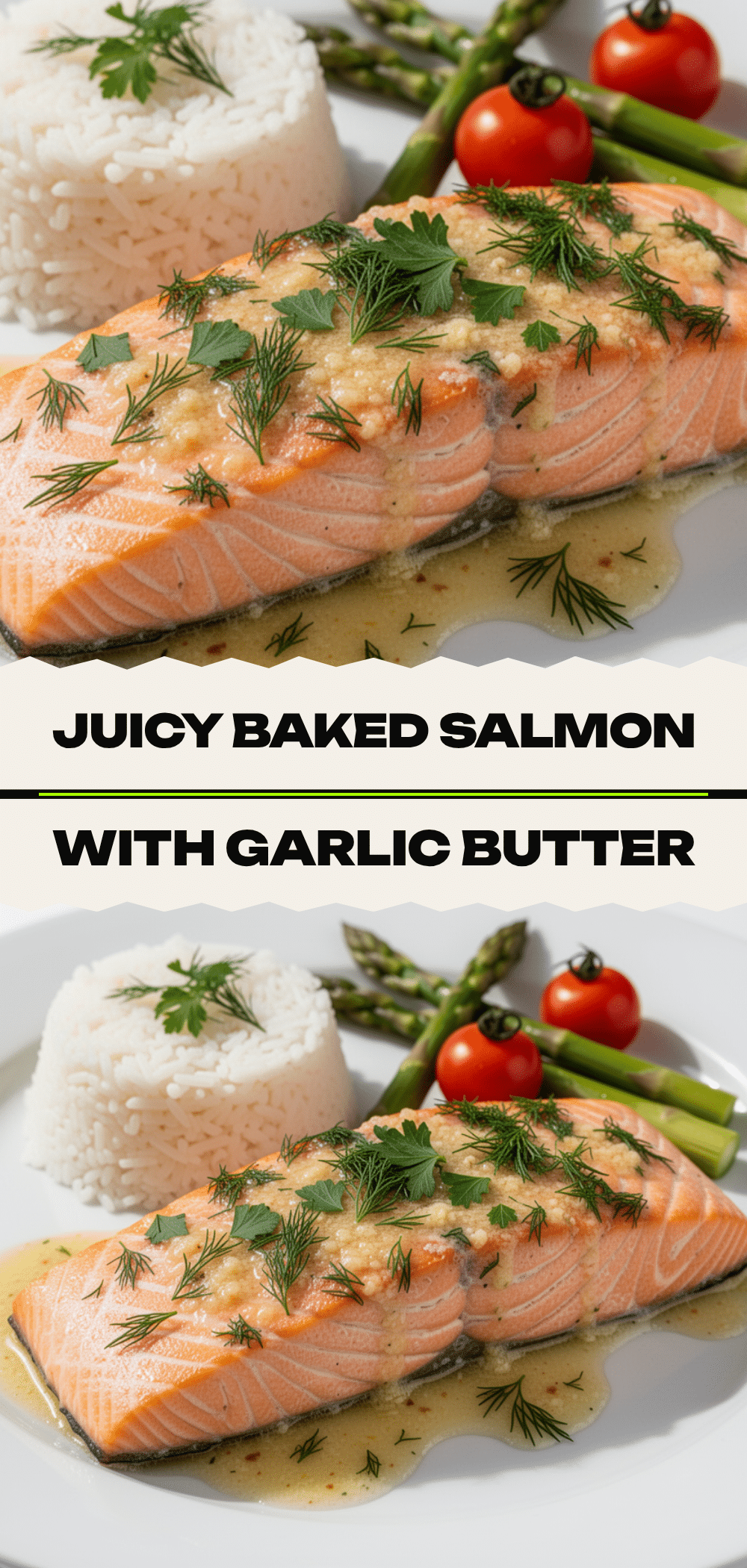
Baked Salmon: Easy Garlic Butter Recipe for Busy Weeknights
- Total Time: 20 minutes
- Yield: 4 servings 1x
Description
A foolproof, lightning-fast baked salmon recipe featuring a rich garlic butter baste and fresh herbs. Perfect for busy weeknights, this healthy and flavorful dish is ready in just 20 minutes.
Ingredients
- 4 salmon fillets (about 6oz each / 1.2kg)
- 1 tablespoon neutral oil (avocado or light olive oil)
- Kosher salt
- Freshly cracked black pepper
- 4 tablespoons unsalted butter
- 4–5 cloves garlic, minced
- 2 tablespoons fresh lemon juice
- 1 teaspoon lemon zest
- 2 tablespoons fresh dill, chopped
- 1 tablespoon fresh parsley, chopped
- ¼ teaspoon red pepper flakes (optional)
Instructions
- Preheat oven to 400°F (200°C). Line a 9×13 inch baking dish with foil or parchment paper and lightly grease.
- Pat salmon fillets dry with paper towels and season both sides generously with salt and pepper. Place skin-side down in the prepared dish.
- In a small saucepan over low heat, melt the butter. Remove from heat and whisk in minced garlic, lemon juice, lemon zest, chopped dill, parsley, and red pepper flakes.
- Pour or brush half of the garlic butter mixture over the salmon fillets.
- Bake for 12-15 minutes, or until the salmon flakes easily with a fork and is opaque throughout.
- Remove from oven and spoon any remaining garlic butter from the pan over the top of the fish.
- Let rest for 2-3 minutes before serving immediately with pan juices.
Notes
Pat the salmon dry before seasoning to ensure it bakes rather than steams. Do not overcook; salmon continues to cook after removal from the oven. For extra crispiness, broil for the last 1-2 minutes. If using frozen salmon, thaw completely and pat very dry first.
- Prep Time: 5 minutes
- Cook Time: 15 minutes
- Category: Main Course
- Cuisine: American
Nutrition
- Serving Size: 1 fillet per serving
- Calories: 320
- Sodium: 350
- Fat: 18
- Saturated Fat: 8
- Carbohydrates: 2
- Protein: 34
Keywords: baked salmon, garlic butter salmon, quick dinner, healthy seafood, weeknight meals, gluten-free, paleo-friendly