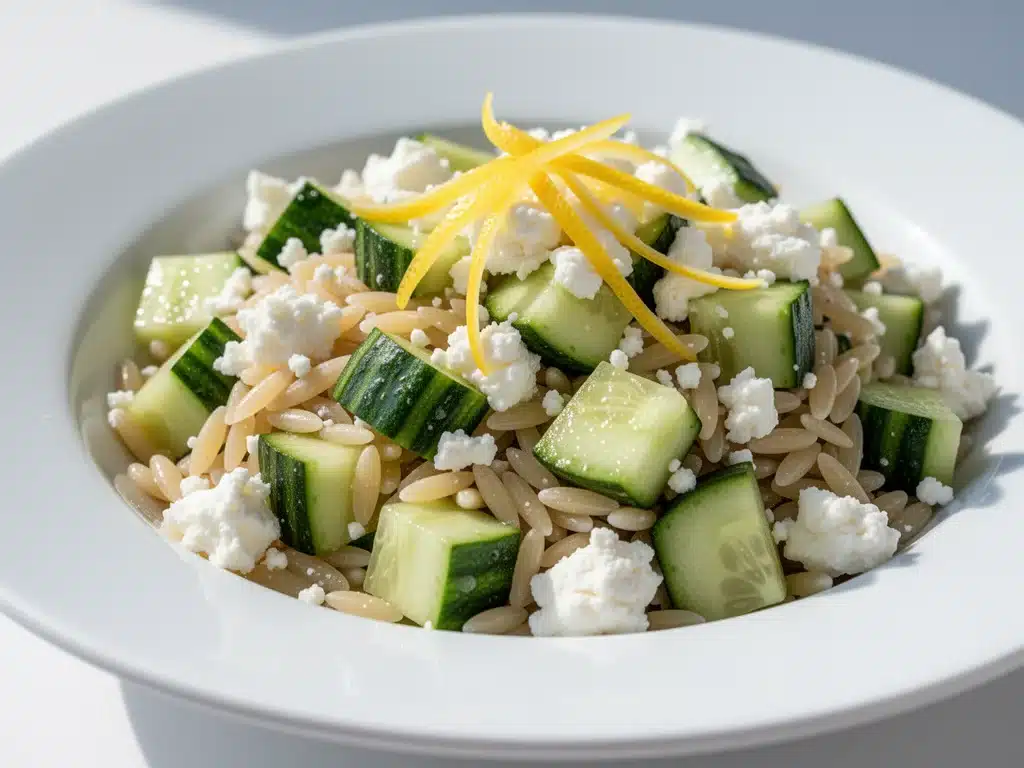
It’s the fourth of July, and the grill is smoking. I’m standing in my kitchen, staring at a pot of orzo that looks suspiciously like it’s about to turn into a gluey, starchy brick. I’ve been making pasta salads for twenty years, and I’ve made every mistake in the book. I’ve made the one where the mayo congeals in the heat. I’ve made the one where the vegetables release all their water and turn the dressing into watery soup. I’ve made the one that tastes like salt and regret.
But this creamy feta orzo pasta salad? This one is different. I stumbled onto it three summers ago when I was desperate to impress a group of friends who I knew would be critical (they’re food bloggers, so naturally, they judge everything). I didn’t have enough time to marinate anything or cook complex proteins. I just had a box of orzo, a block of feta, a cucumber that needed using up, and a lemon that was begging to be zested.
I threw it together in five steps. Ten minutes later, it was on the table. And here’s the thing: it didn’t just get eaten; it was scraped clean. My friend Sarah, who usually picks out the onions and complains about the texture of pasta, asked for the recipe before she’d even finished her second plate. She said it tasted like summer in a bowl.
That was three years ago. Since then, I’ve made this creamy feta orzo pasta salad for picnics, potlucks, weeknight dinners, and emergency meals when I have no idea what to cook. It’s become my secret weapon. It’s creamy without being heavy. It’s tangy without being acidic. And most importantly, it actually tastes better the next day because the orzo absorbs all that delicious lemon-feta dressing without getting mushy. If you’re looking for a pasta salad that works every single time, this is it.
Why You’ll Love This Recipe
There are a lot of pasta salads out there. Most of them are just cold macaroni with veggies. This one is different because it balances textures and flavors in a way that keeps people coming back for seconds. Here’s why this creamy feta orzo pasta salad has earned a permanent spot in my weekly rotation.
- It’s Sturdier Than Any Other Pasta — Orzo is small, rice-shaped pasta that holds its shape incredibly well. Unlike penne or rotini, which can get slimy or break down, orzo stays firm and chewy even after sitting in the fridge for a day. I’ve tested this repeatedly, and it’s the only pasta that survives a potluck without turning into a puddle.
- Creamy Without the Mayo — This is the biggest game-changer. The creaminess comes from crumbled feta cheese and a yogurt-based dressing, not heavy mayonnaise. It feels rich and indulgent, but it’s lighter and fresher. You won’t feel that heavy, greasy feeling after eating it. My kids love it because it tastes like a dip, but it’s actually a full meal.
- Five Steps, Zero Stress — Seriously, five steps. Boil pasta. Whisk dressing. Chop veggies. Toss. Chill. That’s it. I make this when I’m exhausted, when I’m hosting, and when I’m meal-prepping. It requires zero advanced cooking skills. If you can boil water and whisk, you can master this.
- It Improves with Time — Most pasta salads are best eaten immediately. This one? The flavors meld overnight. The orso absorbs the lemon juice and garlic. The feta softens slightly and coats every grain. I’ve made this the night before a party, and it’s always better than when I made it that morning.
- Vegetarian-Friendly Crowd Pleaser — It’s naturally vegetarian, but it’s so filling and flavorful that even the meat-eaters in your life don’t miss the protein. I often add grilled chicken or shrimp if I’m feeding a hungry crowd, but the base recipe stands on its own beautifully.
Real talk? This is the dish I make when I want to look like I tried hard, but I actually just threw things in a bowl. It’s impressive, it’s delicious, and it’s reliable. You’ll make it once, and you’ll be making it every summer.
Ingredients You’ll Need
Here’s the best part: you probably have most of these ingredients already. This creamy feta orzo pasta salad relies on simple, high-quality staples. You don’t need exotic spices or hard-to-find items. Here’s what I use and why.
For the Base
Orzo pasta (12 oz / 340g) — This is the star. I use standard dry orzo. Don’t substitute with rice or quinoa unless you want a completely different dish. Orzo’s shape is key to holding the dressing. I buy the big boxes at Costco because I go through them fast.
Water and salt — For boiling the pasta. Use plenty of salt. The pasta water should taste like the ocean. This seasons the orzo from the inside out.
For the Creamy Dressing
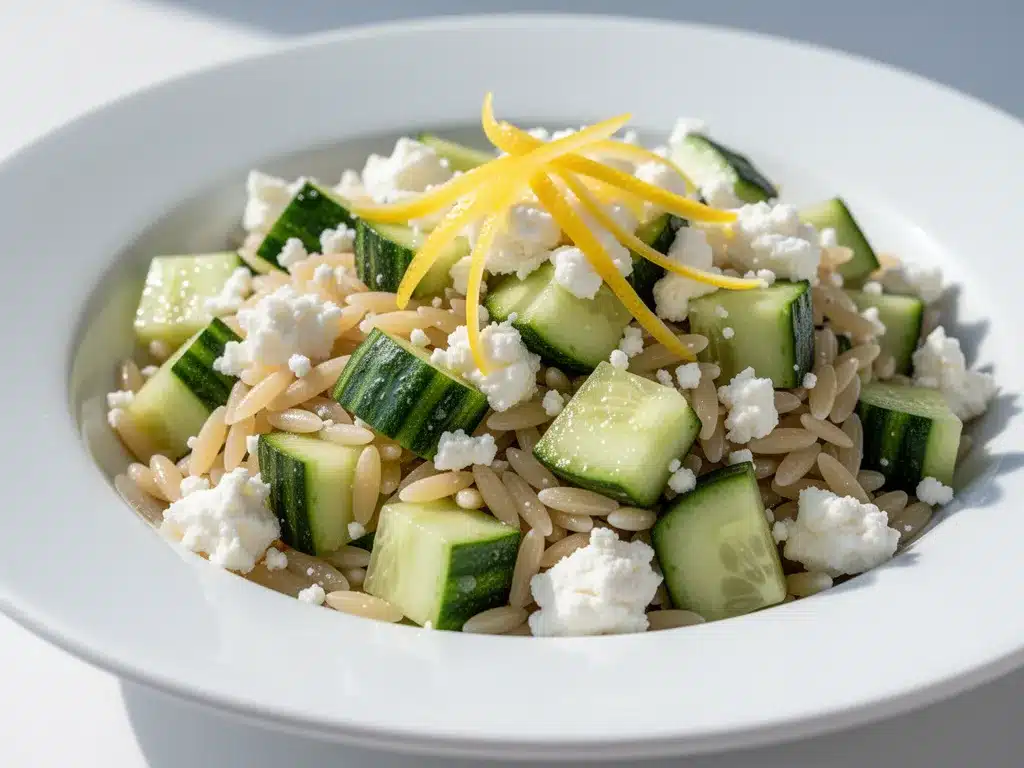
Greek yogurt (1 cup / 240g) — Full-fat is best here. It provides that thick, creamy texture without the heaviness of mayo. Skim yogurt will make the dressing runny and tangy in a bad way. I use Fage or a store-brand full-fat Greek yogurt.
Feta cheese (6 oz / 170g) — This is the flavor bomb. Buy a block and crumble it yourself. Pre-crumbled feta has anti-caking agents that make it dry and dusty. A block of feta is creamy and salty. I use Greek feta because it’s tangier and more authentic.
Lemon (2 lemons) — You’ll need the zest of one lemon and the juice of both. Fresh lemon juice is non-negotiable. Bottled juice tastes flat and bitter. Zest adds that bright, aromatic oil that makes the salad smell incredible.
Extra virgin olive oil (3 tablespoons) — Use a good quality oil here. It adds richness and helps emulsify the dressing. I keep a bottle of California Olive Ranch or a local press in my pantry.
Garlic (2 cloves, minced) — Fresh garlic only. Jarred garlic has a metallic taste that clashes with the lemon. Minced fine so you get bits of flavor in every bite.
Dried oregano (1 teaspoon) — A classic Greek pairing with lemon and feta. Don’t skip it. It adds that earthy, herbal note that ties everything together.
For the Crunch and Freshness
Cucumber (1 large English cucumber, diced) — English cucumbers are better because they have fewer seeds and thinner skin. They stay crunchy and don’t water down the salad. I peel them if they’re waxed, but usually, I leave the skin on for color.
Red onion (½ medium, finely diced) — Red onion is milder than yellow and adds a nice pop of color. If you’re sensitive to raw onion, soak the diced onion in cold water for 10 minutes before adding it to drain the bite.
Fresh dill (¼ cup, chopped) — Dill and lemon are best friends. Fresh dill adds a grassy, fresh note that dried herbs can’t match. If you can’t find fresh, use 1 tablespoon of dried, but fresh is worth the trip to the store.
Cherry tomatoes (1 cup, halved) — Sweet, juicy bursts of flavor. I use red or yellow cherry tomatoes. If they’re in season, this salad is even better. Out of season? Still good, just less sweet.
Kalamata olives (½ cup, pitted and halved) — Optional, but I always add them. They add a briny, savory depth that balances the creamy feta. If you hate olives, skip them, but I think they’re essential for the Greek vibe.
Optional Add-ins
Grilled chicken (2 cups, diced) — Makes it a main course. I grill chicken breasts with lemon and oregano, then dice them up. Perfect for summer dinners.
Chickpeas (1 can, drained) — Adds protein and fiber. Toss them in for a heartier salad. I do this when I’m meal-prepping for the week.
Feta Cucumber — Wait, isn’t that just cucumber and feta? Yes, but I mean the combination. The salt from the feta draws out a tiny bit of moisture from the cucumber, creating a natural brine that mixes with the dressing. It’s magic.
Equipment Needed
You don’t need fancy gadgets for this. Here’s what I actually use in my kitchen.
Large pot — For boiling the orzo. I use a 6-quart pot. It needs to be big enough that the pasta has room to move around and cook evenly.
Colander — For draining the pasta. A simple mesh colander works fine. I hang it over the sink for easy cleanup.
Large mixing bowl — A 4-quart bowl is ideal. I use a stainless steel bowl because it’s durable and easy to clean. You need enough space to toss everything without spilling.
Whisk — For emulsifying the dressing. A small whisk works best for the yogurt mixture. I use a silicone whisk because it doesn’t scratch my bowl.
Sharp knife and cutting board — For chopping the cucumber, onions, and tomatoes. I keep a small paring knife for the lemon and a larger chef’s knife for the veggies.
Microplane or zester — For the lemon zest. A microplane gets the zest without the bitter white pith. It’s worth the $5.
Measuring cups and spoons — Standard stuff. I have a set that’s been with me for years. Accuracy matters less with this recipe because it’s forgiving, but it helps to be close.
Spatula — For folding the ingredients together. A rubber spatula is best because it gets all the dressing off the sides of the bowl.
How to Make It: Step-by-Step
Alright, let’s make this! It’s genuinely five steps, but I’m walking you through the details so you get it right the first time. I’ve made this dozens of times, and here’s exactly how I do it.
Step 1: Cook the Orzo (10 minutes)
Bring a large pot of heavily salted water to a boil. The water should taste salty like soup. Add the orzo and cook according to package directions, usually 8-10 minutes, until al dente. It should be tender but still have a slight bite. Important: Do not overcook it. Orzo continues to cook slightly as it sits. Drain the pasta in a colander and rinse it under cold water. This stops the cooking and washes off excess starch so the salad doesn’t get gummy. Shake the colander well to remove as much water as possible. Wet pasta dilutes the dressing.
Step 2: Make the Dressing (5 minutes)
While the pasta cooks, make the dressing. In a medium bowl, whisk together the Greek yogurt, lemon juice, lemon zest, olive oil, minced garlic, dried oregano, salt, and black pepper. Whisk vigorously until the mixture is smooth and creamy. The oil and yogurt should emulsify into a cohesive dressing. Taste it. It should be tangy, creamy, and salty. Adjust seasoning if needed. Remember, the feta will add more salt, so don’t over-salt the dressing yet.
Step 3: Prep the Veggies (5 minutes)
Dice the cucumber into small, bite-sized pieces. I like them about ¼ inch cubes. Finely dice the red onion. Halve the cherry tomatoes. Pit and halve the Kalamata olives. Chop the fresh dill. Keep everything in separate piles or add them directly to the main bowl. The key is uniformity so every bite has a bit of everything.
Step 4: Combine Everything (3 minutes)
In your large mixing bowl, add the drained orzo. Pour the dressing over the warm (not hot) pasta. Toss gently with a spatula to coat the orzo evenly. The warmth helps the pasta absorb the dressing. Add the crumbled feta, cucumber, red onion, tomatoes, olives, and dill. Fold everything together gently. You want to distribute the ingredients without crushing the tomatoes or breaking the orzo.
Step 5: Chill and Serve (30 minutes minimum)
Cover the bowl with plastic wrap or a lid. Refrigerate for at least 30 minutes, but ideally 2-4 hours. This chilling time is crucial. It allows the flavors to meld and the orzo to absorb the dressing. When you’re ready to serve, give it a good stir. The dressing will have thickened in the fridge, so you might need to add a splash of lemon juice or a tablespoon of water to loosen it up. Taste and adjust salt and pepper one last time. Serve cold or at room temperature.
Expert Tips & Tricks
Here’s everything I’ve learned from making this creamy feta orzo pasta salad dozens of times. These tips will save you from my mistakes.
Don’t Skip the Cold Rinse — Rinsing the orzo after cooking is non-negotiable. It stops the cooking process and removes surface starch. If you don’t rinse it, the pasta will stick together and the salad will be clumpy. I know it feels wasteful to rinse pasta, but for cold salads, it’s essential.
Crumb Your Own Feta — Pre-crumbled feta is dry and dusty. It doesn’t melt or blend into the dressing. A block of feta is soft and creamy. Use your hands to crumble it into small, irregular pieces. Some larger chunks are good for texture.
Salt the Pasta Water Generously — Since orzo is small, it doesn’t hold as much salt as larger pasta shapes. Salting the water well ensures the pasta itself is seasoned. I use about 1 tablespoon of salt per quart of water.
Let It Chill — I know you want to eat it immediately. But this salad is better after chilling. The flavors need time to marry. If you’re in a rush, at least let it sit for 20 minutes. But if you can wait 2 hours, you’ll be rewarded with a deeper, more cohesive flavor.
Adjust Consistency Before Serving — The orzo acts like a sponge. It will absorb the dressing while it chills. When you take it out of the fridge, it might look dry. Add a splash of lemon juice or water and stir. It will become creamy again.
Variations & Substitutions
Once you’ve nailed the basic version, here’s how you can mix it up. I’ve tried all of these, and they all work.
Grilled Chicken Version — Add 2 cups of diced grilled chicken breast. Season the chicken with lemon, oregano, and garlic before grilling. This turns the salad into a complete meal. I love this for summer dinners.
Shrimp Version — Swap chicken for cooked shrimp. Toss in 1 pound of peeled, cooked shrimp after chilling. The shrimp adds a sweet, briny flavor that pairs well with the feta.
Veggie-Loaded — Add roasted red peppers, artichoke hearts, or spinach. I often throw in a handful of baby spinach right before serving for extra greens. It wilts slightly and adds color.
Lighter Version — Use low-fat Greek yogurt instead of full-fat. The texture will be slightly less creamy, but it’s still delicious. I use this version when I’m watching my calories.
No-Olive Version — Skip the Kalamata olives if you don’t like them. The salad will still be flavorful from the feta and lemon. Some people just aren’t fans of olives, and that’s okay.
Gluten-Free — Use gluten-free orzo. Most brands work well, but check the package for cooking times. I’ve used Barilla gluten-free orzo, and it holds up nicely.
Serving & Storage
How to Serve — I usually serve this straight from the bowl at a picnic or potluck. It looks rustic and fresh. For a more elegant presentation, garnish with extra crumbled feta, a sprig of dill, and a drizzle of olive oil. It’s beautiful on a platter.
Side Dishes — This salad is hearty enough to be a main, but if you’re serving it as a side, it pairs well with grilled meats, roasted vegetables, or crusty bread. I often serve it with grilled steak or chicken.
Storage — Store leftovers in an airtight container in the fridge for up to 4 days. The orzo will continue to absorb the dressing, so it will get thicker. Add a splash of water or lemon juice when reheating or serving to loosen it up.
Reheating — Do not reheat this salad. It’s meant to be eaten cold or at room temperature. Heating it will make the feta grainy and the vegetables soggy.
Freezing — I don’t recommend freezing this salad. The dairy-based dressing will separate, and the vegetables will lose their crunch. Make it fresh for the best results.
Nutrition Information
I’m not a nutritionist, but here’s the breakdown if you’re tracking. This is per serving, based on 6 servings.
- Calories: 320
- Protein: 12g
- Carbs: 42g
- Fiber: 2g
- Sugar: 4g
- Fat: 12g
- Saturated Fat: 6g
- Cholesterol: 30mg
- Sodium: 580mg
Look, this is a pasta salad with cheese and yogurt. It’s not a diet food. But it’s balanced, it’s flavorful, and it’s far better than store-bought options. When I want to make it lighter, I reduce the feta and add more vegetables. But usually? I just enjoy a reasonable portion and appreciate that it tastes like summer.
Final Thoughts
So that’s my go-to creamy feta orzo pasta salad! I’ve probably talked your ear off at this point, but when you make a recipe this often, you have a lot to say about it. This has saved me from dinner disasters more times than I can count. It’s my answer to “what’s for lunch” when I want something fresh, filling, and delicious.
My kids love it. My husband loves it. My friends love it. And the best part? It’s so easy to make that I never dread it. Make it yours! Try different veggies, swap in your favorite herbs, or add protein. The best recipes are the ones you adapt to your tastes.
If you make this, drop a comment and let me know what you think! I love hearing how recipes turn out in your kitchen. And if something doesn’t work, tell me that too—I’m here to help troubleshoot. Happy cooking! I hope your kitchen smells half as good as mine does right now.
Frequently Asked Questions
Can I use regular pasta instead of orzo?
You can, but orzo is best for this recipe. Its small size and shape help it hold the creamy dressing better than larger pasta shapes. If you must use another pasta, try ditalini or small shells. Avoid spaghetti or penne, as they won’t distribute the dressing evenly.
Why is my salad too dry?
This is common! Orzo absorbs a lot of liquid. If your salad looks dry after chilling, add a splash of lemon juice, olive oil, or water and toss well. The dressing will loosen up and coat the pasta again.
Can I make this ahead of time?
Yes! This is actually better made ahead. You can make it up to 24 hours in advance. The flavors will deepen, and the orzo will absorb the dressing perfectly. Just remember to add a little liquid before serving if it looks dry.
Can I use dried dill instead of fresh?
You can, but fresh dill has a brighter, more aromatic flavor that pairs better with lemon. If using dried, use 1 tablespoon for every ¼ cup of fresh dill called for. Add it to the dressing while whisking to help it rehydrate.
How long does this pasta salad last?
It lasts up to 4 days in the refrigerator. After that, the pasta may become too soft, and the vegetables may lose their crunch. For best quality, eat it within 3 days.
Can I add feta cucumber to this?
Absolutely! The combination of feta and cucumber is classic. The salt from the feta enhances the freshness of the cucumber. I recommend using English cucumbers for their crispness and lack of seeds.
Is this salad good for meal prep?
It’s great for meal prep! Store individual portions in containers. Just keep in mind that the orzo will absorb more dressing over time. Add a splash of water or lemon juice to each portion when you’re ready to eat it.
Pin This Recipe!
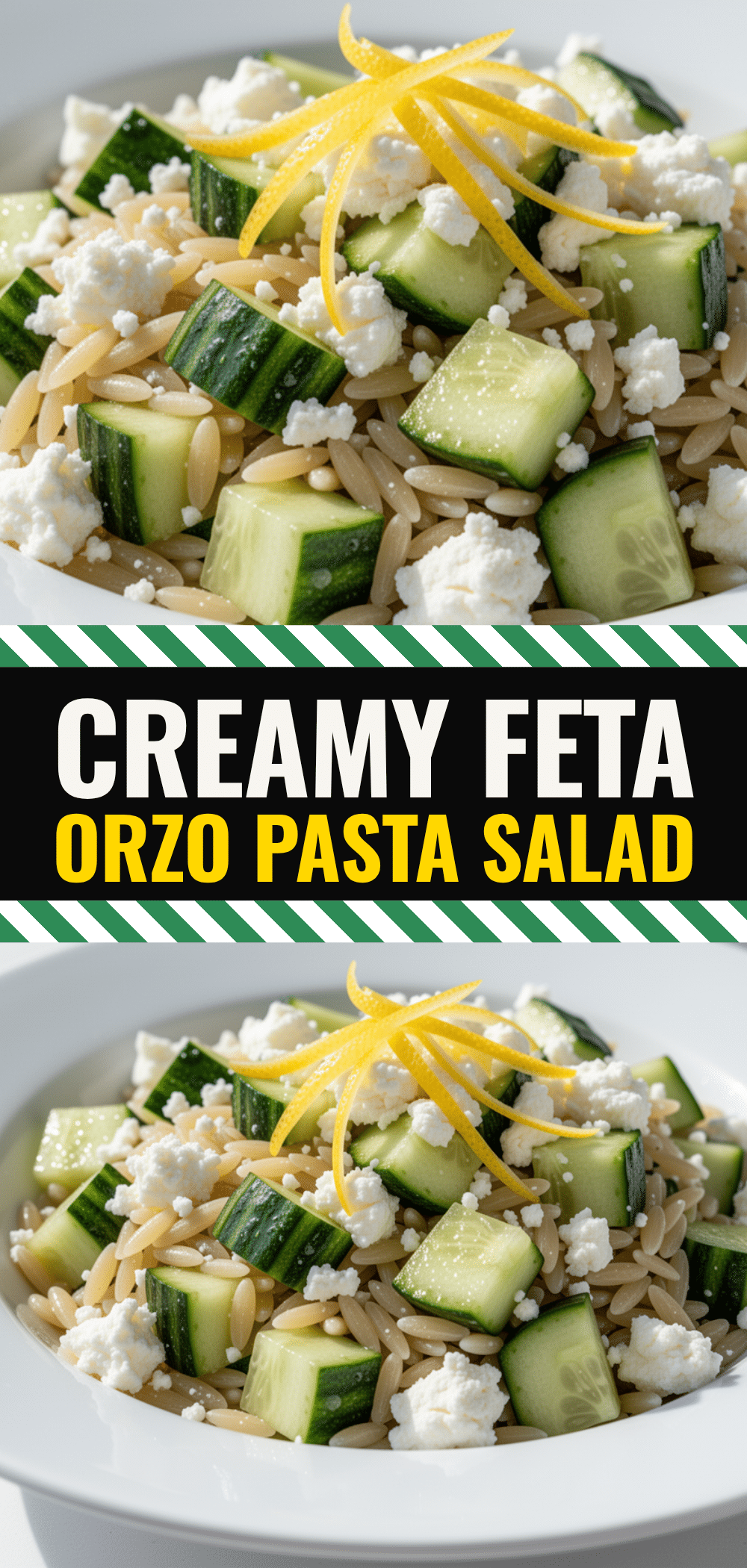
Creamy Feta Orzo Pasta Salad
- Total Time: 25 minutes
- Yield: 6 servings 1x
Description
A refreshing and creamy pasta salad made with orzo, feta cheese, Greek yogurt, and fresh vegetables. This easy five-step recipe is perfect for summer gatherings, potlucks, and meal prep.
Ingredients
- 12 oz (340g) dry orzo pasta
- Water and salt (for boiling pasta)
- 1 cup (240g) full-fat Greek yogurt
- 6 oz (170g) block feta cheese, crumbled
- 2 lemons (zest of 1, juice of 2)
- 3 tablespoons extra virgin olive oil
- 2 cloves garlic, minced
- 1 teaspoon dried oregano
- 1 large English cucumber, diced
- ½ medium red onion, finely diced
- ¼ cup fresh dill, chopped
- 1 cup cherry tomatoes, halved
- ½ cup Kalamata olives, pitted and halved
- Salt and black pepper to taste
Instructions
- Bring a large pot of heavily salted water to a boil. Add orzo and cook according to package directions (8-10 minutes) until al dente.
- Drain the pasta in a colander and rinse under cold water to stop cooking and remove excess starch. Shake well to remove water.
- In a medium bowl, whisk together Greek yogurt, lemon juice, lemon zest, olive oil, minced garlic, dried oregano, salt, and black pepper until smooth and emulsified.
- In a large mixing bowl, combine the drained orzo with the dressing. Toss gently to coat the pasta evenly.
- Add crumbled feta, cucumber, red onion, tomatoes, olives, and dill to the bowl. Fold ingredients together gently.
- Cover and refrigerate for at least 30 minutes, ideally 2-4 hours, to allow flavors to meld.
- Before serving, stir the salad. If it appears dry, add a splash of lemon juice or water to loosen the dressing. Adjust seasoning if needed.
Notes
For best results, rinse the orzo after cooking to prevent clumping. Crumble your own feta block for better texture and flavor. The salad improves with time, so make it ahead if possible. If the salad becomes too dry after chilling, add a splash of water or lemon juice before serving. Do not freeze this salad as the dairy dressing will separate.
- Prep Time: 15 minutes
- Cook Time: 10 minutes
- Category: Side Dish
- Cuisine: Greek
Nutrition
- Serving Size: 1 bowl
- Calories: 320
- Sugar: 4
- Sodium: 580
- Fat: 12
- Saturated Fat: 6
- Carbohydrates: 42
- Fiber: 2
- Protein: 12
Keywords: orzo salad, feta pasta, greek pasta salad, summer salad, meal prep, vegetarian, creamy pasta salad, no mayo salad