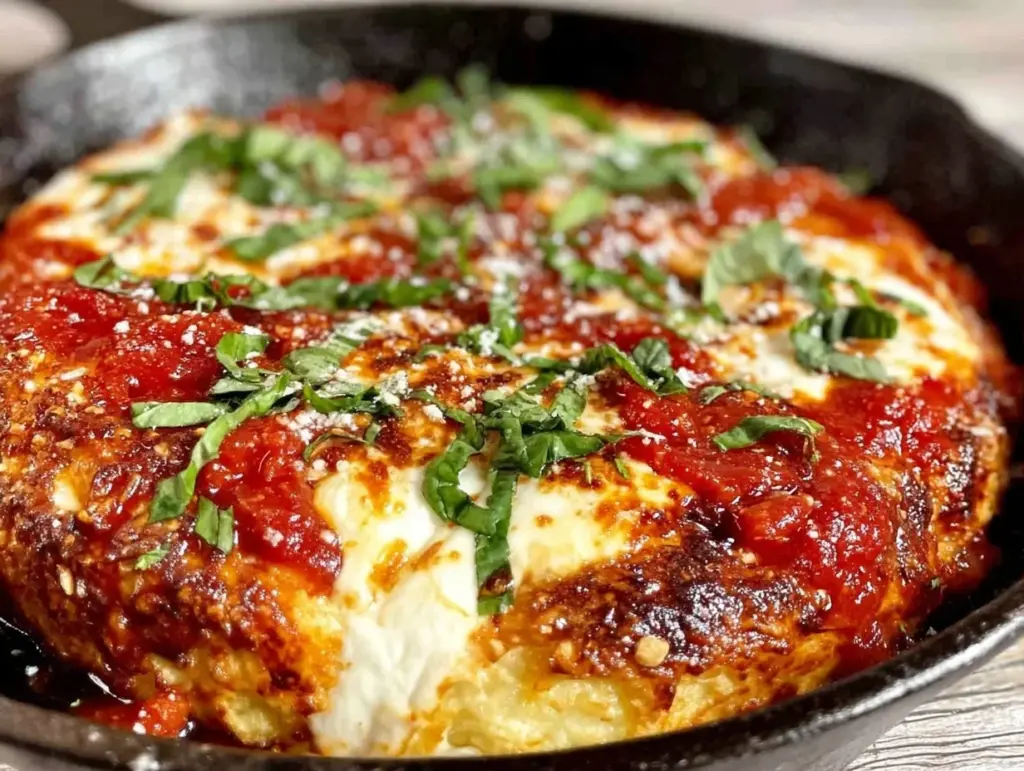
Let me take you back to last August. I was standing in my kitchen at 8:30 PM, staring at a cast iron skillet that was smoking like a chimney. On my counter sat a sad, doughy mess that looked less like pizza and more like a hockey puck made of despair. I had tried to make Cast Iron Margherita Pizza with Garlic Butter Crust for the third time that week. My husband walked in, saw the smoke detector blinking its angry red light, and quietly suggested we just order takeout.
I was stubborn. I didn’t want takeout. I wanted that specific, charred, cheesy perfection you get at that little hole-in-the-wall spot downtown. But I wanted it at home, on a Tuesday, without a wood-fired oven or a degree in culinary arts. That night, after the smoke cleared and we ate takeout (which, honestly, wasn’t even that good), I went back to the drawing board. I realized my mistake wasn’t the dough or the sauce—it was the heat management and the timing. I was treating my cast iron like a regular pan. It’s not. It’s a heat battery.
Fast forward to today. I’ve made this Cast Iron Margherita Pizza with Garlic Butter Crust dozens of times. I’ve tweaked the hydration, tested different flours, and finally cracked the code on getting a crust that’s crispy on the bottom, chewy in the middle, and infused with that incredible garlic butter flavor that makes you close your eyes when you take the first bite. It’s become my absolute favorite way to use up leftover mozzarella and fresh basil from the garden. If you’ve ever felt intimidated by making pizza at home, trust me: once you nail this method, you’ll never look back. This recipe fuels your day without feeling like diet food, giving you that satisfying, carb-heavy comfort that keeps you happy and energized for the rest of the evening.
Why You’ll Love This Cast Iron Margherita Pizza with Garlic Butter Crust
There are a million reasons to make pizza at home, but this specific version hits different. It’s not just about convenience; it’s about texture and flavor depth that delivery just can’t match. Here’s why this Cast Iron Margherita Pizza with Garlic Butter Crust has taken over my weeknight rotation:
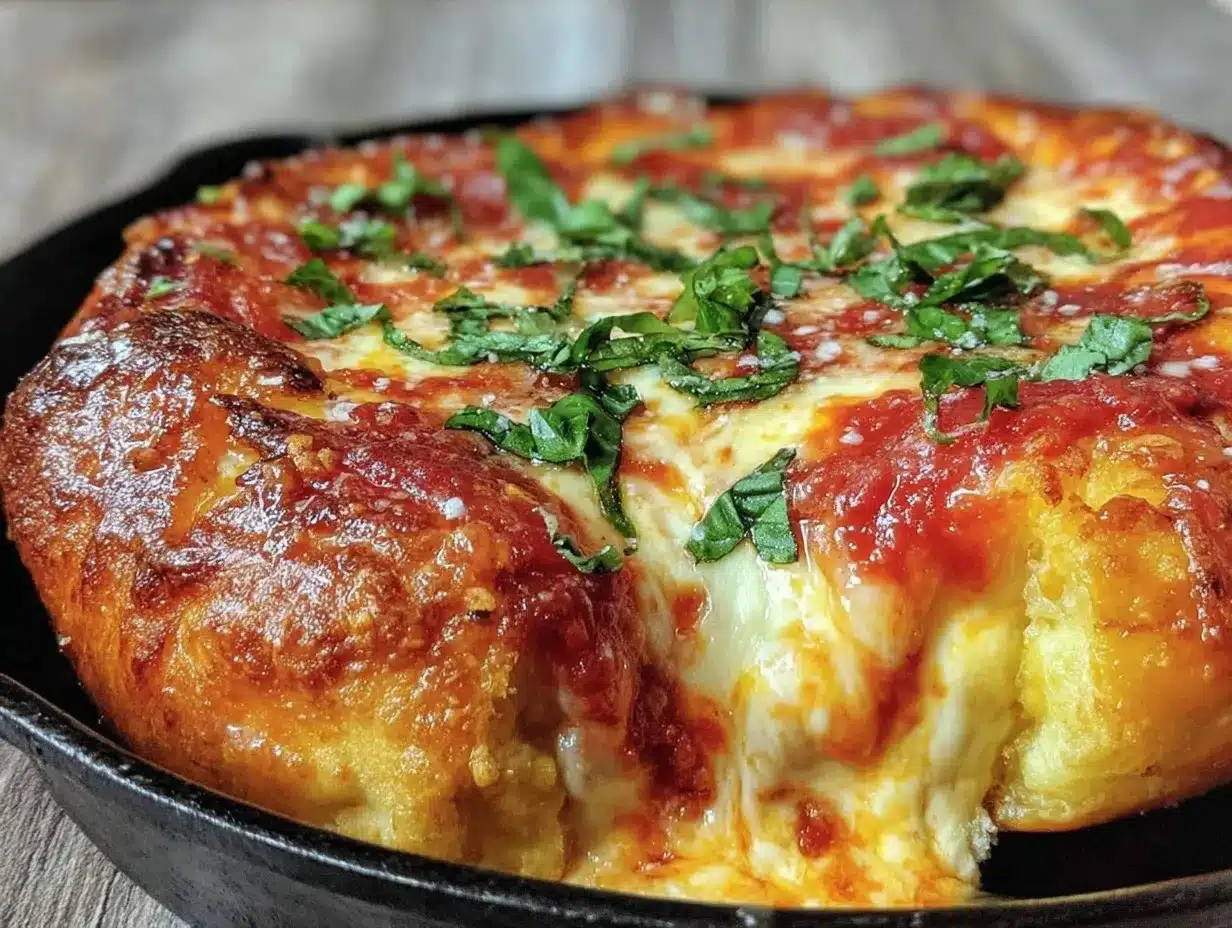
- The Crust is Unbeatable — Cast iron conducts heat differently than a baking steel. It creates a deep, golden-brown char on the bottom that stays crispy even after you add the toppings. I’ve tried making this on a regular sheet pan, and the bottom gets soggy. The skillet is non-negotiable.
- Garlic Butter Glaze — Most pizza crusts are just bread. This one is brushed with a mixture of melted butter, minced garlic, and a pinch of salt right after it comes out of the oven. It smells like heaven and adds a richness that simple olive oil just can’t provide. It’s the kind of detail that makes your friends ask for the recipe.
- Restaurant-Quality Char — You don’t need a $3,000 pizza oven to get those leopard-spot char marks. By preheating the skillet with the oven, you get intense bottom heat that mimics a professional deck oven. It’s the secret to that authentic pizzeria taste.
- It’s Actually Healthy(ish) — Let’s be real. Pizza isn’t kale salad. But this Cast Iron Margherita Pizza with Garlic Butter Crust is built on whole ingredients. You’re getting protein from the mozzarella, fiber from the whole wheat flour (if you choose to use it), and fresh veggies. It’s fuel that keeps you going, not a diet compromise. It’s substantial enough to be a main meal, not just a snack.
- Fast Enough for Weeknights — Yes, it takes an hour to rise, but that’s mostly passive time. The active cooking time is under 15 minutes. If you can make ground chicken lettuce wraps in 15 minutes, you can definitely handle this. The dough can even be made ahead and refrigerated for up to 24 hours, making it a breeze for busy evenings.
This is my go-to when I want something that feels special but doesn’t require a special occasion. It’s dinner done right.
Key Ingredients for the Perfect Crust and Toppings
Before we fire up the oven, let’s talk about what goes into the pan. You don’t need fancy imports, but you do need quality basics. Here is exactly what you need to make this Cast Iron Margherita Pizza with Garlic Butter Crust sing.
For the Dough
All-Purpose Flour (2 ¼ cups / 280g) — This is your base. I use King Arthur Brand because it has a consistent protein content. You can use bread flour for a chewier crust, but all-purpose gives that perfect balance of tender and crisp. If you’re looking for more fiber, you can swap half for whole wheat flour, though it will be denser.
Active Dry Yeast (1 packet / 7g or 2 ¼ tsp) — Don’t skimp on freshness. If your yeast is two years old, it’s just expensive dust. I keep a fresh packet in my pantry at all times. Warm water activates it; if it doesn’t foam up in 5 minutes, toss it and start over.
Warm Water (1 cup / 240ml) — This should be between 105°F and 115°F. Think bathwater temperature. Too hot, and you kill the yeast. Too cold, and it won’t rise. I test it on my wrist—it should feel warm, not hot.
Extra Virgin Olive Oil (2 tbsp / 30ml) — This goes into the dough for richness and helps with browning. Save your fancy oil for the garlic butter brush at the end.
Salt (1 ½ tsp / 9g) — Essential for flavor. Don’t skip it. It also strengthens the gluten structure, which helps the dough hold its shape.
For the Toppings
Marinara Sauce (½ cup / 120g) — I use a simple San Marzano tomato sauce. No need to cook it beforehand; it cooks on the pizza. If you want to try something different, a quick ground turkey meatballs with marinara is a great way to use up leftover sauce.
Whole Milk Mozzarella (8 oz / 225g) — Buy a block and shred it yourself. Pre-shredded cheese is coated in cellulose to prevent clumping, and that coating stops it from melting smoothly. You want that gooey, stretchy pull, not grainy cheese.
Fresh Basil Leaves (10-12 leaves) — Add these *after* baking or in the last 30 seconds. If you put them in too early, they burn and turn black. Fresh basil is non-negotiable for a true Margherita.
Garlic (3 cloves / 1 tbsp minced) — Fresh only. Jarred garlic has a metallic taste that ruins the delicate butter flavor. Mince it finely so it distributes evenly.
For the Garlic Butter Crust
Unsalted Butter (3 tbsp / 42g) — Melted. I prefer unsalted so I can control the sodium, but salted works if you reduce the salt in the dough.
Parmesan Cheese (1 tbsp / 5g grated) — This is the secret weapon. Mixed into the garlic butter, it adds umami and helps the butter stick to the crust while broiling.
Tools You’ll Need
You don’t need fancy equipment. Here’s what I use. If you don’t have these exact items, don’t worry—I’ve listed alternatives.
12-Inch Cast Iron Skillet — This is the star of the show. I use a Lodge skillet. It’s heavy, durable, and retains heat like nothing else. If you only have an 8-inch or 10-inch skillet, you can make two smaller pizzas or one large one that’s thicker.
Oven Thermometer — Ovens lie. They often run 25-50 degrees off. An inexpensive thermometer clipped to your rack ensures your oven is actually hitting 500°F. This is critical for getting that char.
Pizza Peel or Inverted Baking Sheet — You need a way to slide the dough into the hot skillet. A pizza peel is ideal, but I often just use an inverted baking sheet. Dust it with cornmeal or semolina flour so the dough slides off easily.
Dough Scraper — Makes cleaning up your counter and handling sticky dough much easier. I use a plastic one, but a metal one works too.
How to Make Cast Iron Margherita Pizza with Garlic Butter Crust
Here is the step-by-step process. I’ve broken it down so you know exactly what to expect at each stage.
Step 1: Make the Dough (10 minutes active, 1 hour rise)
In a large bowl, combine the warm water, yeast, and a pinch of sugar. Let it sit for 5-10 minutes until it’s foamy. If it doesn’t foam, your yeast is dead. Start over. Add the olive oil, salt, and flour. Stir with a wooden spoon until a shaggy dough forms. Turn it out onto a lightly floured surface and knead for 5-7 minutes. It should be smooth and elastic. Place it in an oiled bowl, cover with a damp towel, and let it rise in a warm spot for 1 hour, or until doubled in size.
Step 2: Preheat the Skillet (30 minutes)
This is the most important step. Place your empty cast iron skillet on the center rack of your oven. Turn the oven to 500°F (260°C). Let it preheat for at least 30 minutes. The skillet needs to be screaming hot. If you put dough in a lukewarm pan, it will stick and steam instead of crisp.
Step 3: Shape the Dough (5 minutes)
Once the dough has risen, punch it down gently. Divide it in half if you want two smaller pizzas, or keep it whole for one large one. On a floured surface, stretch the dough into a circle. Don’t use a rolling pin! Rolling compresses the air bubbles you worked hard to create. Use your fingers to push the dough out from the center, leaving a slightly thicker rim for the crust. Carefully transfer the dough to your floured pizza peel or baking sheet.
Step 4: Assemble the Pizza (5 minutes)
Spread a thin layer of marinara sauce over the dough, leaving the rim bare. Sprinkle the shredded mozzarella evenly. Don’t overload it! Too much topping weighs down the dough and prevents the bottom from crisping. If you’re feeling adventurous, you could top this with some crispy baked chicken thighs for a heartier meal, but keep the sauce light.
Step 5: Bake the Pizza (12-15 minutes)
Using oven mitts, carefully remove the hot skillet from the oven. Place it on a heat-proof surface or stovetop. Quickly transfer the pizza from the peel into the hot skillet. The dough will sizzle—that’s a good sign! Return the skillet to the oven. Bake for 12-15 minutes. Watch it closely after 10 minutes. You want the crust to be golden brown and the cheese to be bubbling and slightly browned.
Step 6: The Garlic Butter Finish (2 minutes)
While the pizza bakes, mix the melted butter, minced garlic, and parmesan in a small bowl. As soon as you pull the pizza out of the oven, use a pastry brush to slather the garlic butter mixture all over the crust edge. The residual heat will cook the garlic slightly and infuse the butter into the bread. Let it cool for 2 minutes before slicing so the cheese sets.
Total Time Breakdown: 10 min prep + 1 hour rise + 30 min preheat + 15 min bake = ~1 hour 55 minutes. (Most of this is passive time!)
Expert Tips from My Mistakes
I’ve learned a lot through trial and error. Here’s everything I learned from making this too many times.
The Game-Changers
Don’t Skip the Preheat
I used to put the skillet in when the dough was ready. Big mistake. The bottom never crisped. The skillet must be fully heated. If you’re short on time, you can let the dough rise in the fridge overnight, then preheat the skillet in the morning. That’s even better for flavor development.
Thin Sauce, Thick Crust
Margherita is all about simplicity. If you use too much sauce, the center gets soggy. Use a ladle, not a cup, and spread it thin. You want to see the dough through the sauce in spots. It’s about balance.
Use Cornmeal on the Peel
Flour can burn and taste bitter. Cornmeal or semolina adds a nice crunch and prevents sticking better. It’s a small detail that makes a huge difference in transfer.
Common Problems & Solutions
Sticky Dough
If your dough sticks to your hands, wet them. Wet hands don’t stick to dough. Also, make sure you’re not adding too much flour while kneading. The dough should be tacky but manageable.
Soggy Bottom
This usually happens if the skillet wasn’t hot enough or if there was too much moisture on the toppings. Shred your own cheese and pat it dry with a paper towel if it’s wet. Also, ensure your sauce is thick, not watery.
Burnt Garlic
If you put the garlic butter brush on before the pizza is fully cooked, the garlic will burn. Always apply it *after* the pizza comes out of the oven. The residual heat is enough to cook it perfectly.
Pro Tricks
Freeze the Dough
I often make double the dough and freeze half. Let it thaw in the fridge overnight, then bring it to room temperature for an hour before shaping. It works just as well as fresh dough.
Add Pepperoni
If you want a twist, add pepperoni before baking. The grease from the pepperoni flavors the crust. It’s a classic combo that pairs well with the garlic butter edge.
Recipe Variations
Once you’ve nailed the basic version, here’s how to mix it up. The cast iron method works for almost any pizza style.
Spicy Calabrese
Add sliced Calabrese chili peppers or a pinch of red pepper flakes to the garlic butter. It adds a kick that cuts through the richness of the cheese. I love this with a cold beer on a Friday night.
White Pizza
Skip the tomato sauce entirely. Use a base of ricotta and mozzarella. Top with spinach and a drizzle of honey after baking. It’s lighter and less acidic.
BBQ Chicken Pizza
Swap the marinara for BBQ sauce. Use grilled chicken and red onions. This is a crowd-pleaser, especially if you have leftovers from crispy buttermilk fried chicken.
Vegan Option
Use a vegan dough (check your yeast and oil) and vegan mozzarella. Top with roasted zucchini and artichoke hearts. The garlic butter can be made with olive oil or vegan butter. It’s surprisingly satisfying.
Gluten-Free
Use a 1:1 gluten-free flour blend. Note that GF dough is more fragile and doesn’t rise the same way. You’ll need to stretch it gently and bake it for a slightly longer time. It’s still delicious, just different.
Serving & Storage
Serving
I serve this straight from the skillet, sliced into wedges. It’s rustic and perfect for sharing. Pair it with a simple arugula salad tossed with lemon vinaigrette to cut the richness. A glass of red wine, like a Chianti or Pinot Noir, is the classic pairing. If you’re hosting a game day, this pairs well with grilled bacon-wrapped corn as a side.
Storage
Refrigerator: Leftovers store well in an airtight container for up to 3 days. The crust might soften slightly, but it’s still good.
Freezer: Yes, it freezes! Wrap individual slices in plastic wrap and then foil. Freeze for up to 2 months. Reheat in a 350°F oven for 10-15 minutes to crisp up the crust. Do not microwave—it makes the crust rubbery.
Meal Prep: I often make the dough on Sunday, divide it, and freeze the portions. Then I just thaw and bake during the week. It’s a huge time-saver.
Nutrition Information
I’m not a nutritionist, but here’s the breakdown per slice (assuming 8 slices).
| Nutrient | Amount |
|---|---|
| Calories | 320 kcal |
| Protein | 14g |
| Carbs | 38g |
| Fiber | 2g |
| Fat | 12g |
| Sodium | 580mg |
My Take: This is comfort food with cream and cheese. Not diet food. But it’s better than takeout and I know what’s in it. The protein from the cheese and the carbs from the dough give you sustained energy. It’s a balanced meal if you add a side of veggies.
Final Thoughts
Making pizza at home used to feel like a chore. Now, it feels like a ritual. There’s something deeply satisfying about pulling a hot, steaming Cast Iron Margherita Pizza with Garlic Butter Crust out of the oven, the garlic scent filling the kitchen, and hearing the crunch of the crust as you slice it. It’s a recipe that brings me back to those summer nights, but better, faster, and with a garlic butter edge that changes everything.
I hope you try this. It’s forgiving, flexible, and incredibly rewarding. If you make it, drop a comment! I love hearing how it turns out in your kitchen. Did you add pepperoni? Did you use whole wheat flour? Let me know. Happy cooking!
FAQs
Can I use store-bought dough?
Absolutely. If you’re short on time, store-bought dough works fine. Just let it come to room temperature before stretching. The garlic butter crust will still make it taste homemade and elevated.
Why is my pizza dough tearing when I stretch it?
This usually happens if the dough is too cold or hasn’t risen enough. Let it sit at room temperature for 20-30 minutes before stretching. Also, don’t pull it too thin in the center; work from the outside in.
Can I make this in a regular baking pan?
You can, but the crust won’t be as crispy. Cast iron is superior for this recipe because of its heat retention. If you must use a pan, preheat it in the oven with the pizza on it.
How do I prevent the cheese from sliding off?
Shred your own cheese and pat it dry. Wet cheese slides. Also, don’t overload the pizza. Less is more with toppings.
Can I freeze the garlic butter?
Yes, but it’s best made fresh. The garlic loses its potency when frozen and thawed. Make it right before you finish the pizza.
What if I don’t have a cast iron skillet?
You can use a heavy baking sheet or a pizza stone. Preheat them thoroughly. The texture will be slightly different, but still delicious.
Is this recipe kid-friendly?
Yes! Kids love pizza. You can let them help stretch the dough and choose their toppings. It’s a great way to get them involved in the kitchen.
Pin This Recipe!
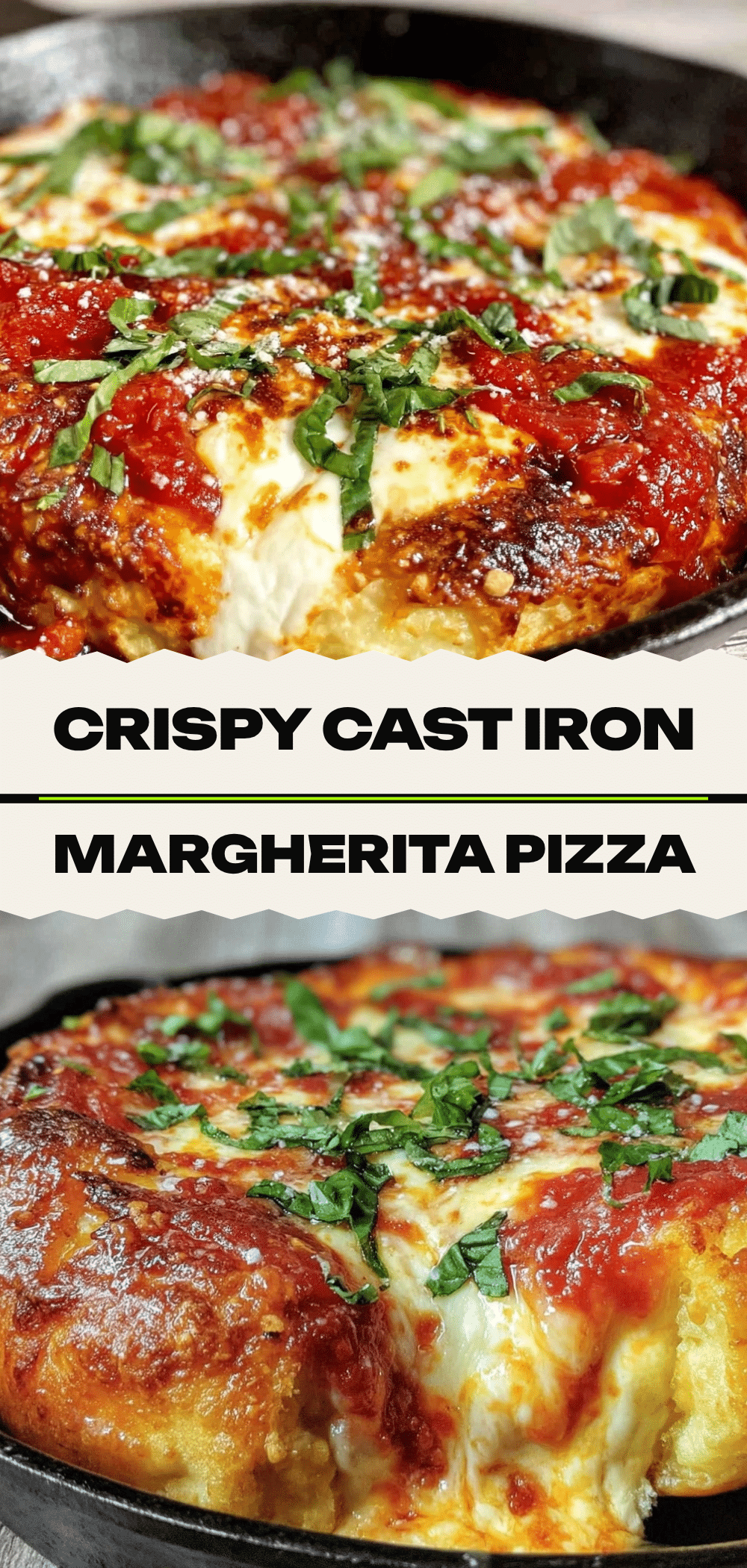
Cast Iron Margherita Pizza with Garlic Butter Crust
- Total Time: 1 hour 55 minutes
- Yield: 8 servings 1x
Description
A homemade pizza featuring a crispy, charred crust baked in a preheated cast iron skillet, topped with marinara, fresh mozzarella, and basil, finished with a rich garlic butter glaze.
Ingredients
- 2 ¼ cups (280g) All-Purpose Flour
- 1 packet (7g or 2 ¼ tsp) Active Dry Yeast
- 1 cup (240ml) Warm Water (105°F-115°F)
- 2 tbsp (30ml) Extra Virgin Olive Oil
- 1 ½ tsp (9g) Salt
- ½ cup (120g) Marinara Sauce
- 8 oz (225g) Whole Milk Mozzarella (shredded from a block)
- 10–12 Fresh Basil Leaves
- 3 cloves (1 tbsp) Fresh Garlic (minced)
- 3 tbsp (42g) Unsalted Butter (melted)
- 1 tbsp (5g) Parmesan Cheese (grated)
Instructions
- In a large bowl, combine warm water and yeast. Let sit for 5-10 minutes until foamy.
- Add olive oil, salt, and flour to the yeast mixture. Stir until a shaggy dough forms.
- Knead the dough on a lightly floured surface for 5-7 minutes until smooth and elastic.
- Place dough in an oiled bowl, cover with a damp towel, and let rise in a warm spot for 1 hour until doubled in size.
- Place an empty 12-inch cast iron skillet on the center rack of the oven and preheat to 500°F (260°C) for at least 30 minutes.
- Punch down the risen dough and stretch it into a circle on a floured surface, leaving a thicker rim for the crust.
- Transfer the dough to a floured pizza peel or inverted baking sheet.
- Spread a thin layer of marinara sauce over the dough, leaving the rim bare.
- Sprinkle shredded mozzarella evenly over the sauce.
- Carefully remove the hot skillet from the oven and place it on a heat-proof surface.
- Slide the pizza from the peel into the hot skillet.
- Return the skillet to the oven and bake for 12-15 minutes until the crust is golden brown and cheese is bubbling.
- While baking, mix melted butter, minced garlic, and parmesan cheese in a small bowl.
- Remove pizza from oven and immediately brush the garlic butter mixture over the crust edge.
- Let cool for 2 minutes before slicing and serving.
Notes
Preheating the skillet is critical for a crispy crust. Use fresh garlic for the butter glaze to avoid metallic taste. Apply garlic butter only after baking to prevent burning. Store leftovers in an airtight container for up to 3 days or freeze for up to 2 months.
- Prep Time: 10 minutes
- Cook Time: 15 minutes
- Category: Main Course
- Cuisine: Italian
Nutrition
- Serving Size: 1 slice (1/8 of pizz
- Calories: 320
- Sugar: 3
- Sodium: 580
- Fat: 12
- Saturated Fat: 6
- Carbohydrates: 38
- Fiber: 2
- Protein: 14
Keywords: cast iron pizza, margherita pizza, garlic butter crust, homemade pizza, weeknight dinner, easy pizza recipe